THE ADVENTURE COLLECTIVE® · Independent discovery and booking for outdoor travel

Ride a 4x4 across Merapi’s raw lava fields and hear the landscape speak—ash, wind and distant vents shape an intense half-day adventure from Yogyakarta. Practical tips on footwear, timing and what to expect from this high-energy volcano tour.
Ride a 4x4 across Merapi’s raw lava fields and hear the landscape speak—ash, wind and distant vents shape an intense half-day adventure from Yogyakarta. Practical tips on footwear, timing and what to expect from this high-energy volcano tour.
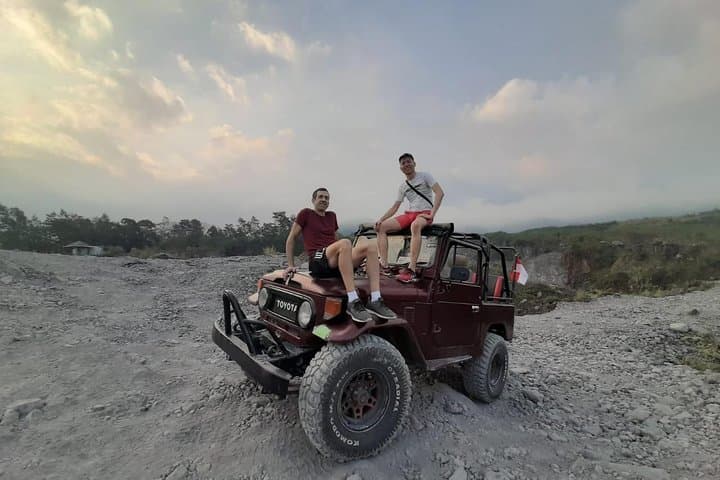
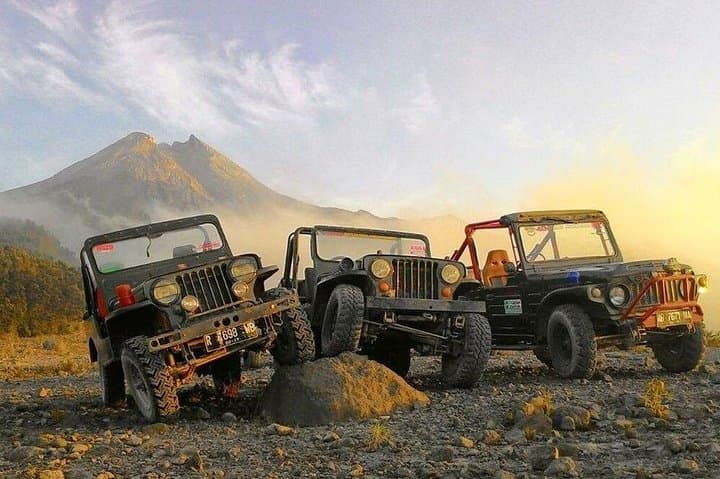
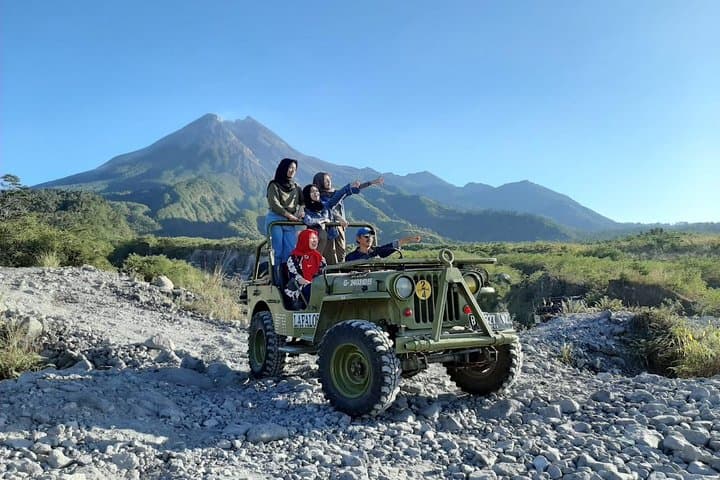
The morning light hits blackened ridges and the jeep rocks across pumice fields, dust puffing like a living thing as Mount Merapi looms ahead. Riders feel the engine pulse beneath them while wind and distant gullies seem to push the convoy forward; the landscape is raw, noisy and unsoftened by tourist polish.
Verified experiences and guided adventures in the surrounding area.
Operated by Javabaliheritage · Yogyakarta, Special Region of Yogyakarta
The morning light hits blackened ridges and the jeep rocks across pumice fields, dust puffing like a living thing as Mount Merapi looms ahead. Riders feel the engine pulse beneath them while wind and distant gullies seem to push the convoy forward; the landscape is raw, noisy and unsoftened by tourist polish.
Merapi is one of Indonesia’s most active volcanoes, erupting repeatedly over centuries and shaping local settlement, agriculture and ritual life. Geologically it’s a young stratovolcano: fresh lava flows, ash layers and block-and-ash deposits mark its slopes. Culturally, the mountain is integral to Javanese cosmology and village stories — guides will often point out memorials and hardened lava fields that record recent eruptions.
Expect a mix of bumpy 4x4 tracks, short walks to viewpoints, and quiet moments near river terraces where birdlife and grasses react to your presence. The tour commonly includes stops at Kaliadem and lava fields with wide, stripped panoramas and occasional smoky vents.
Practical guidance: wear sturdy, closed-toe shoes for uneven ground, bring a breathable layer for early mornings, and pack water and sun protection; dust masks help on windier days. The best visibility is during the dry months; heavy rain makes tracks slippery and some zones restricted. Operators usually provide bottled water and an air-conditioned transfer to and from Yogyakarta, but confirm pickup points and health restrictions in advance.
This is a high-energy, observational experience — less a hike than an encounter with a living landscape that still shapes local life and livelihoods.
challenging.
8 hours.
Requires good cardiovascular fitness and comfort with rough, bumpy rides plus brief on-foot sections
The tour lasts about 8 hours and typically includes hotel pickup, private jeep transport, bottled water, and gasoline/taxes—confirm exact inclusions with the operator.
Operators run routes in permitted zones and monitor volcanic activity; trips may be canceled for safety—follow operator guidance and local advisories.
People with spinal, severe heart conditions or pregnant travelers are generally advised not to join due to bumpy rides and potential exposure to ash.
Small private groups are allowed but check age restrictions and seatbelt availability; young children should be secured for rough terrain.
Merapi’s frequent eruptions have shaped local settlements and ritual practices; villages around its base maintain monuments and stories tied to eruptions.
Stay on permitted routes, avoid disturbing vegetation, and carry out all trash—restricted zones help protect both people and recovering habitats.
Javabaliheritage operates guided outdoor trips and adventures with an emphasis on safety, stewardship, and memorable experiences.
The morning light hits blackened ridges and the jeep rocks across pumice fields, dust puffing like a living thing as Mount Merapi looms ahead. Riders feel the engine pulse beneath them while wind and distant gullies seem to push the convoy forward; the landscape is raw, noisy and unsoftened by tourist polish.
The morning light hits blackened ridges and the jeep rocks across pumice fields, dust puffing like a living thing as Mount Merapi looms ahead. Riders feel the engine pulse beneath them while wind and distant gullies seem to push the convoy forward; the landscape is raw, noisy and unsoftened by tourist polish.
Merapi is one of Indonesia’s most active volcanoes, erupting repeatedly over centuries and shaping local settlement, agriculture and ritual life. Geologically it’s a young stratovolcano: fresh lava flows, ash layers and block-and-ash deposits mark its slopes. Culturally, the mountain is integral to Javanese cosmology and village stories — guides will often point out memorials and hardened lava fields that record recent eruptions.
Expect a mix of bumpy 4x4 tracks, short walks to viewpoints, and quiet moments near river terraces where birdlife and grasses react to your presence. The tour commonly includes stops at Kaliadem and lava fields with wide, stripped panoramas and occasional smoky vents.
Practical guidance: wear sturdy, closed-toe shoes for uneven ground, bring a breathable layer for early mornings, and pack water and sun protection; dust masks help on windier days. The best visibility is during the dry months; heavy rain makes tracks slippery and some zones restricted. Operators usually provide bottled water and an air-conditioned transfer to and from Yogyakarta, but confirm pickup points and health restrictions in advance.
This is a high-energy, observational experience — less a hike than an encounter with a living landscape that still shapes local life and livelihoods.