THE ADVENTURE COLLECTIVE® · Independent discovery and booking for outdoor travel

Skip the long approach and start from Khare: this high-camp Mera Peak climb focuses on the summit push, glacier travel and alpine camps. Expect steep snow, crevassed glaciers, expert sherpa support and a 1,400–1,600 m ascent to 6,476 m.
Skip the long approach and start from Khare: this high-camp Mera Peak climb focuses on the summit push, glacier travel and alpine camps. Expect steep snow, crevassed glaciers, expert sherpa support and a 1,400–1,600 m ascent to 6,476 m.
You wake before dawn in Khare—thin air tasting of tea and yak butter—while a cold wind tugs at the tent fly. Above, Mera Peak’s white flank waits: from Khare (roughly 4,800–5,000 m) the route climbs about 1,400–1,600 m to the 6,476 m summit, tracing rocky moraines, alpine meadows and a final corniced snow slope that asks for steady feet and a headlamp.
Verified experiences and guided adventures in the surrounding area.
Operated by Outshine Adventure Pvt Ltd · Khare, Solukhumbu
You wake before dawn in Khare—thin air tasting of tea and yak butter—while a cold wind tugs at the tent fly. Above, Mera Peak’s white flank waits: from Khare (roughly 4,800–5,000 m) the route climbs about 1,400–1,600 m to the 6,476 m summit, tracing rocky moraines, alpine meadows and a final corniced snow slope that asks for steady feet and a headlamp.
Geology here is raw: glacial tills and uplifted schist frame the Hinku valley, and the massif collects weather from the south, alternately baking in sun and dumping heavy snow. Culturally, the area is Sherpa country—seasonal yak pastures, prayer flags and teahouse hospitality give the climb local character. Mera has long been one of Nepal’s highest “trekking peaks,” offering mountaineering exposure without the route finding of major Himalayan faces.
From a practical perspective this program is a high-camp style ascent: expect camping at high camp, guided rope work, and technical snow slopes above high camp that require crampons and an ice axe. Acclimatization is non-negotiable—build rest days, monitor symptoms, and hydrate constantly. Start summit bids pre-dawn for firmer snow and calmer winds. Footwear should be rigid, insulated boots; layers must manage both sun and severe cold. Permits are required (often included), and experienced Sherpa guides run fixed ropes and manage camps. Leave no trace: pack out waste and minimize single-use plastics.
The climb is rewarding: glacier-sculpted ridgelines, broad views across the Mahalangur Himal, and the hard-earned silence at the summit where the mountains feel like they are watching you back.
challenging.
2 days (48 hours) — summit push high-camp format.
High-altitude aerobic fitness required; regular hill or stair training plus multi-day backpack experience recommended
Basic prior experience with crampons and ice-axe is strongly recommended; guides will rope and instruct, but you should be comfortable on steep snow and in cold conditions.
A special climbing permit for Mera Peak plus national park or conservation area fees are required—many operators include these in the package.
Summit day is typically 8–12 hours round trip depending on conditions and group pace—expect a very early start and slow, steady progress on steep snow.
Yes—Mera Peak reaches over 6,400 m. Gradual ascent, rest days, and monitoring symptoms are critical; operators often include acclimatization in the itinerary.
Mera Peak is one of Nepal’s highest designated ‘trekking peaks’ in the Mahalangur Himal and has long been used seasonally by Sherpa communities for grazing and trade routes.
High-altitude camps concentrate human impact—pack out trash, avoid single-use plastics, and support guides who follow proper waste and human-waste management practices.
Outshine Adventure Pvt Ltd operates guided outdoor trips and adventures with an emphasis on safety, stewardship, and memorable experiences.
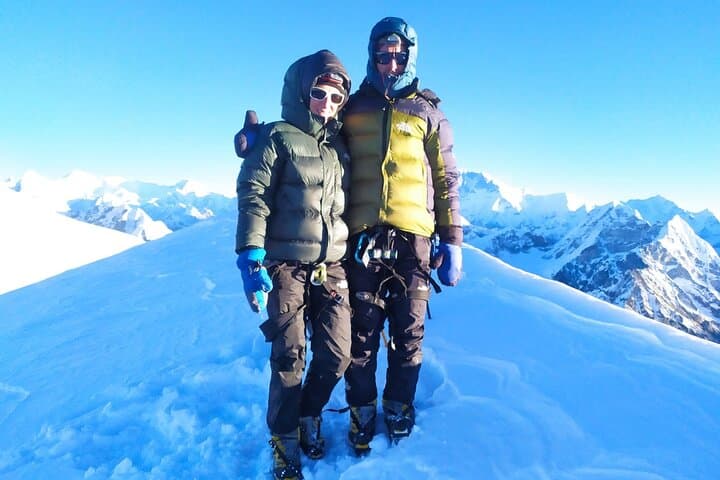
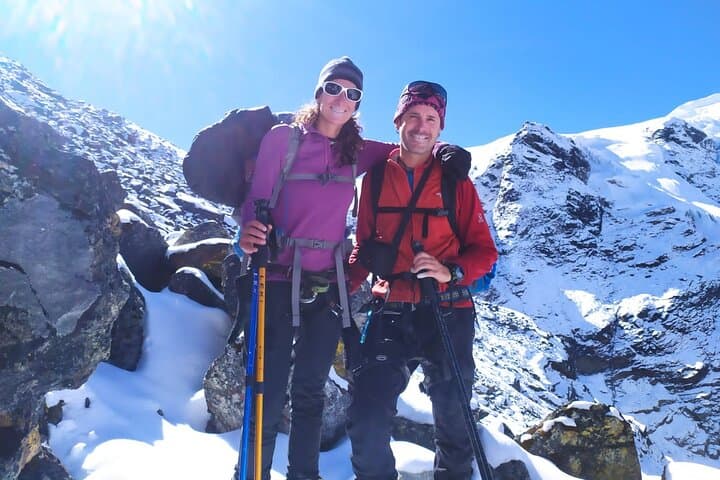
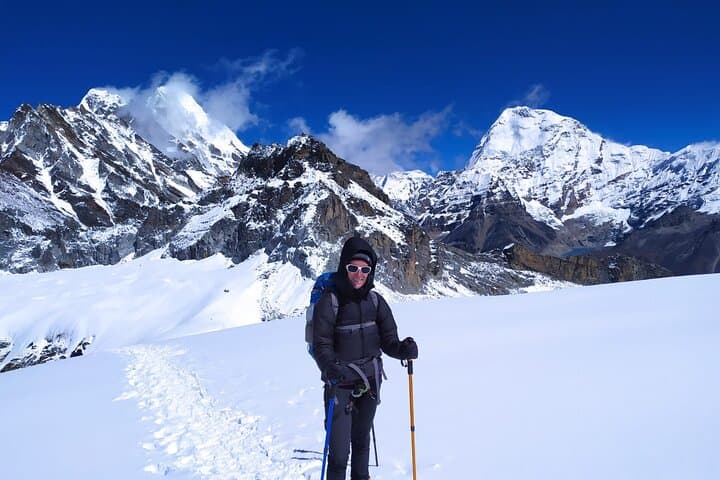
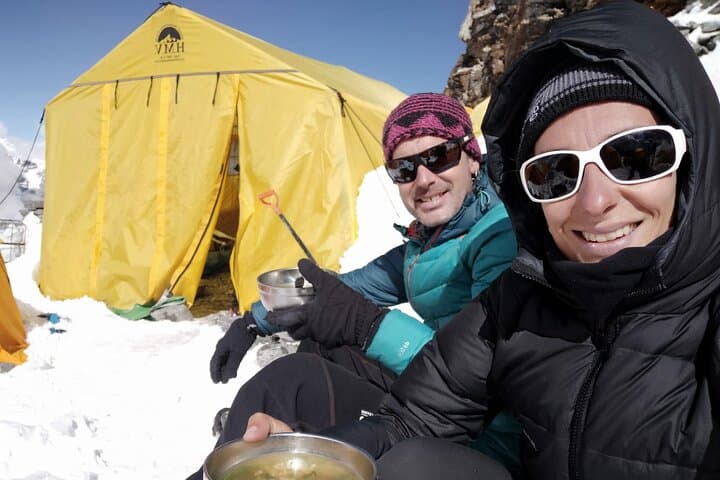
You wake before dawn in Khare—thin air tasting of tea and yak butter—while a cold wind tugs at the tent fly. Above, Mera Peak’s white flank waits: from Khare (roughly 4,800–5,000 m) the route climbs about 1,400–1,600 m to the 6,476 m summit, tracing rocky moraines, alpine meadows and a final corniced snow slope that asks for steady feet and a headlamp.
You wake before dawn in Khare—thin air tasting of tea and yak butter—while a cold wind tugs at the tent fly. Above, Mera Peak’s white flank waits: from Khare (roughly 4,800–5,000 m) the route climbs about 1,400–1,600 m to the 6,476 m summit, tracing rocky moraines, alpine meadows and a final corniced snow slope that asks for steady feet and a headlamp.
Geology here is raw: glacial tills and uplifted schist frame the Hinku valley, and the massif collects weather from the south, alternately baking in sun and dumping heavy snow. Culturally, the area is Sherpa country—seasonal yak pastures, prayer flags and teahouse hospitality give the climb local character. Mera has long been one of Nepal’s highest “trekking peaks,” offering mountaineering exposure without the route finding of major Himalayan faces.
From a practical perspective this program is a high-camp style ascent: expect camping at high camp, guided rope work, and technical snow slopes above high camp that require crampons and an ice axe. Acclimatization is non-negotiable—build rest days, monitor symptoms, and hydrate constantly. Start summit bids pre-dawn for firmer snow and calmer winds. Footwear should be rigid, insulated boots; layers must manage both sun and severe cold. Permits are required (often included), and experienced Sherpa guides run fixed ropes and manage camps. Leave no trace: pack out waste and minimize single-use plastics.
The climb is rewarding: glacier-sculpted ridgelines, broad views across the Mahalangur Himal, and the hard-earned silence at the summit where the mountains feel like they are watching you back.