THE ADVENTURE COLLECTIVE® · Independent discovery and booking for outdoor travel

A 20-day climb that combines classic Everest-region trekking with a 6,476m summit push, Mera Peak uses the remote Hinku Valley as its approach. This guide outlines what to expect: terrain, acclimatization, logistics and essential gear for a first high-altitude expedition.
A 20-day climb that combines classic Everest-region trekking with a 6,476m summit push, Mera Peak uses the remote Hinku Valley as its approach. This guide outlines what to expect: terrain, acclimatization, logistics and essential gear for a first high-altitude expedition.
The ridge thins and the air gets bright—Mera Peak sits above a ring of glaciers and summer pastures, a pale cone that dares you higher. You begin in Kathmandu's bustle, fly into Lukla's cliff runway, and walk through terraced fields, swinging bridges and rhododendron forests as the Himalaya opens into the remote Hinku Valley.
Verified experiences and guided adventures in the surrounding area.
Operated by Annapurna Foothills Treks Expedition Pvt. Ltd. · Kathmandu, Province No. 1
The ridge thins and the air gets bright—Mera Peak sits above a ring of glaciers and summer pastures, a pale cone that dares you higher. You begin in Kathmandu's bustle, fly into Lukla's cliff runway, and walk through terraced fields, swinging bridges and rhododendron forests as the Himalaya opens into the remote Hinku Valley.
Geology here is raw: moraine-scarred valleys, granite outcrops and high glacial bowls that tell of recent ice sculpting. The Sherpa communities that live along the route maintain yak pastures and guesthouses that reflect centuries of Himalayan trade and Tibetan cultural influence; Sagarmatha National Park’s regulations and the Mera Peak permit system protect both landscape and livelihoods.
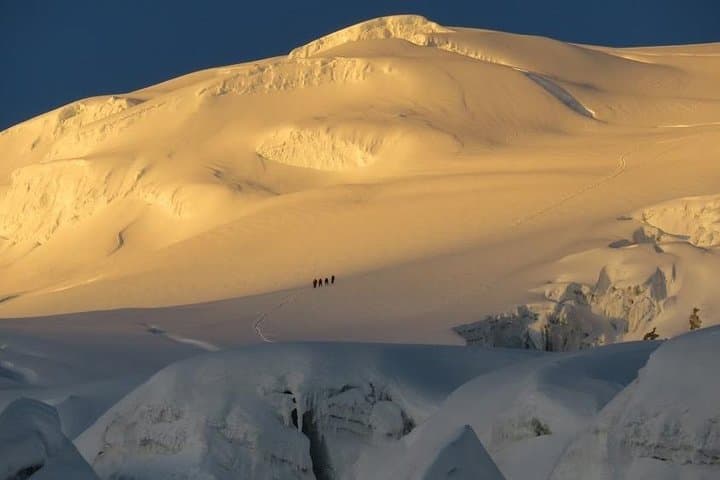
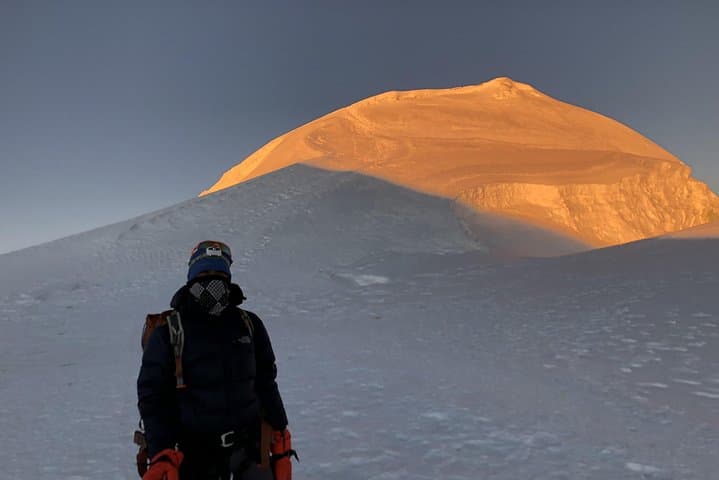
Expect long trekking days—3–8 hours on approach, with sustained altitude gain from Lukla (~2,800m) to Khare (5,045m) and a summit at 6,476m. The technical summit involves glacier travel, crevasse awareness and fixed-rope sections where crampons and an ice axe are used; it’s commonly described as non-technical for experienced mountaineers but demands serious acclimatization and fitness. Weather windows can be narrow; Lukla flights are weather-dependent and reserve days are built into itineraries.
Practical notes: plan for 18–20 days total, allow extra time for flight delays, pack high-altitude layers and a -20°C sleeping bag, and budget for tipping guides and permit fees. Hydrate, pace your altitude gains, and follow your guide’s instructions on rope work—on Mera Peak the mountain rewards patience and careful preparation.
challenging.
20 days.
High aerobic fitness and prior multi-day trekking experience; ability to carry loaded pack and cope with high altitude.
Pre-monsoon spring (April–May) and post-monsoon autumn (September–November) offer the most stable conditions and clearer summit windows.
Prior high-altitude trekking is essential; basic crampon and ice-axe skills are required for the summit—guides provide instruction and fixed-rope assistance.
Approach covers roughly 10–15 days of trekking with daily segments ranging from 3–8 hours, depending on altitude and terrain; the itinerary includes rest and reserve days.
Flights are weather-dependent and frequently delayed; operators include reserve days and sometimes reroute based on conditions—expect variability.
Mera Peak lies within the cultural orbit of Sherpa communities and Sagarmatha National Park; the route follows traditional pastoral and trading corridors that predate modern trekking.
Strict permit and waste management rules apply in Sagarmatha National Park; use pack-in, pack-out for non-biodegradable waste and support local lodges to keep income local.
Annapurna Foothills Treks Expedition Pvt. Ltd. operates guided outdoor trips and adventures with an emphasis on safety, stewardship, and memorable experiences.
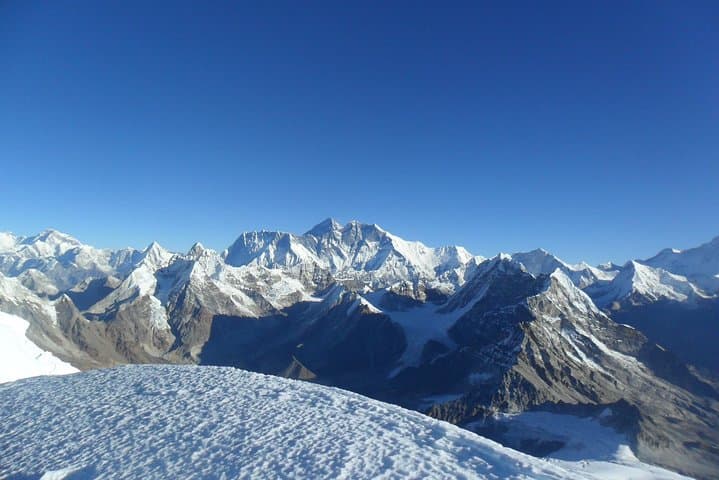
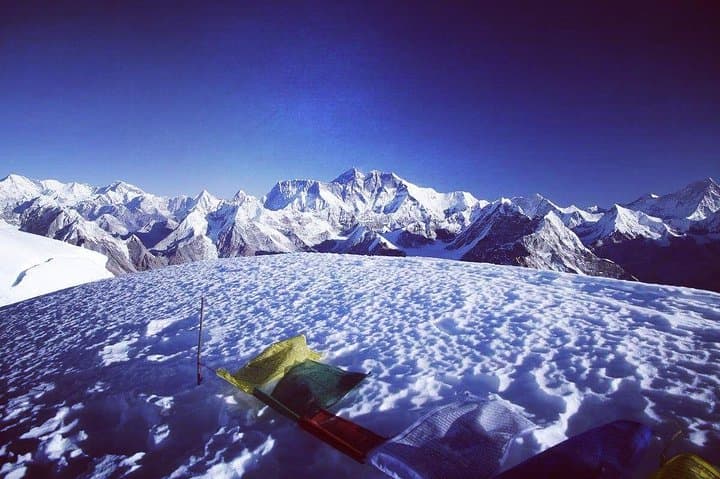
The ridge thins and the air gets bright—Mera Peak sits above a ring of glaciers and summer pastures, a pale cone that dares you higher. You begin in Kathmandu's bustle, fly into Lukla's cliff runway, and walk through terraced fields, swinging bridges and rhododendron forests as the Himalaya opens into the remote Hinku Valley.
The ridge thins and the air gets bright—Mera Peak sits above a ring of glaciers and summer pastures, a pale cone that dares you higher. You begin in Kathmandu's bustle, fly into Lukla's cliff runway, and walk through terraced fields, swinging bridges and rhododendron forests as the Himalaya opens into the remote Hinku Valley.
Geology here is raw: moraine-scarred valleys, granite outcrops and high glacial bowls that tell of recent ice sculpting. The Sherpa communities that live along the route maintain yak pastures and guesthouses that reflect centuries of Himalayan trade and Tibetan cultural influence; Sagarmatha National Park’s regulations and the Mera Peak permit system protect both landscape and livelihoods.
Expect long trekking days—3–8 hours on approach, with sustained altitude gain from Lukla (~2,800m) to Khare (5,045m) and a summit at 6,476m. The technical summit involves glacier travel, crevasse awareness and fixed-rope sections where crampons and an ice axe are used; it’s commonly described as non-technical for experienced mountaineers but demands serious acclimatization and fitness. Weather windows can be narrow; Lukla flights are weather-dependent and reserve days are built into itineraries.
Practical notes: plan for 18–20 days total, allow extra time for flight delays, pack high-altitude layers and a -20°C sleeping bag, and budget for tipping guides and permit fees. Hydrate, pace your altitude gains, and follow your guide’s instructions on rope work—on Mera Peak the mountain rewards patience and careful preparation.