THE ADVENTURE COLLECTIVE® · Independent discovery and booking for outdoor travel

A 20‑day, skill-building climb to Mera Peak (6,476 m) blends long treks, acclimatization climbs and a technical summit push. This guide outlines what to expect on terrain, logistics and preparation for a safe ascent.
A 20‑day, skill-building climb to Mera Peak (6,476 m) blends long treks, acclimatization climbs and a technical summit push. This guide outlines what to expect on terrain, logistics and preparation for a safe ascent.
At first light the valley exhales a thin, cold breath; prayer flags snap like warnings as porters file past mani stones with packs balanced perfectly. The approach to Mera Peak begins with a rickety flight into Lukla and a stair-step climb through rhododendron forests, steep moraine, and high alpine bowls before the mountain presents itself: a broad snow dome that both invites and measures your altitude experience.
Verified experiences and guided adventures in the surrounding area.
Operated by Dream Himalaya Adventures Pvt Ltd · Lukla, Province No. 1
At first light the valley exhales a thin, cold breath; prayer flags snap like warnings as porters file past mani stones with packs balanced perfectly. The approach to Mera Peak begins with a rickety flight into Lukla and a stair-step climb through rhododendron forests, steep moraine, and high alpine bowls before the mountain presents itself: a broad snow dome that both invites and measures your altitude experience.
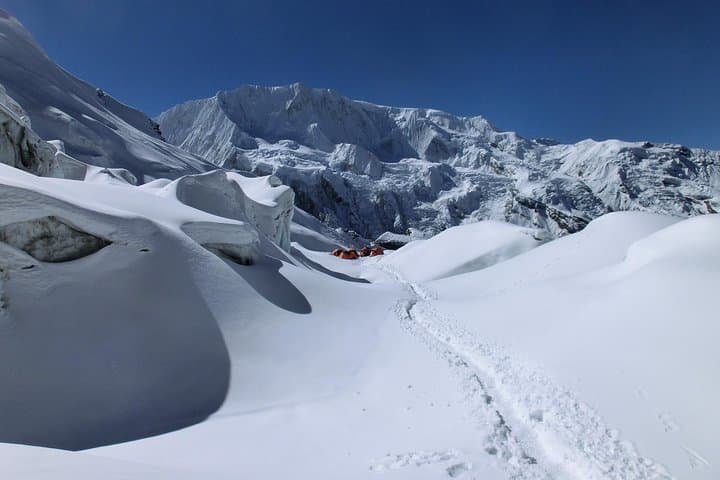
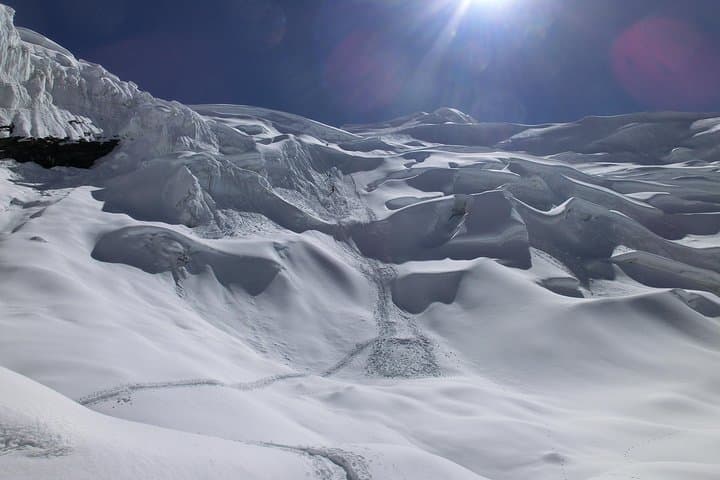
Mera Peak (6,476 m) is the highest trekking peak recognized by the Nepal Mountaineering Association and a classic objective to learn mountaineering basics. The massif is shaped by ancient metamorphic bedrock and active glacial sculpting; you cross mixed talus, compacted snow slopes and short glacier steps. Villages en route are Kechwa of Sherpa heritage where yak caravans, mani walls and seasonal lodges reflect long-standing mountain trade and Buddhist practice.
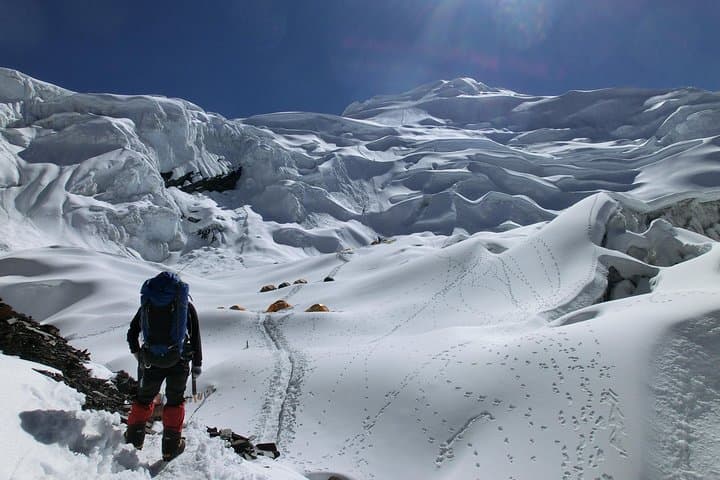
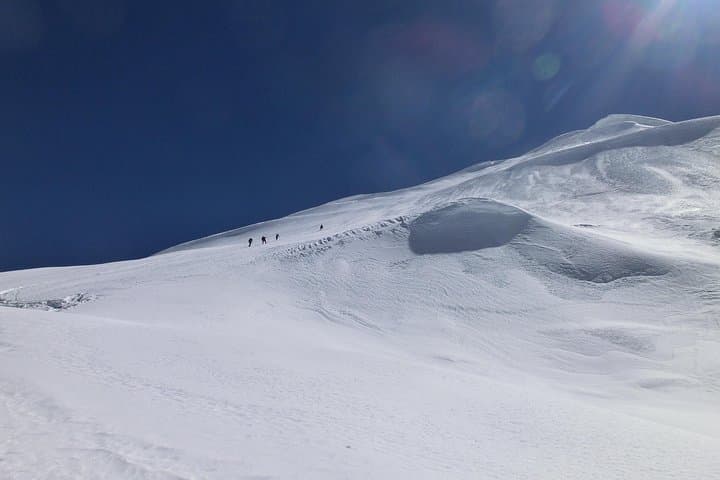
Logistics matter: expect many trek days of 4–7 hours, repeated elevation changes of 400–1,200 m, and crucial acclimatization climbs (Kusum Kanguru‑Ri, Gokyo‑Ri). High Camp sits near 5,780 m with a summit push from there—steep snow travel that requires crampons, ice‑axe technique and roped glacier travel. Flights to Lukla are sensitive to weather; budget spare days.
Prepare with progressive endurance training, weighted hikes and basic technical practice. Hydrate 4–5 L daily at altitude and keep daily gains conservative. Travel in pre‑ or post‑monsoon windows for the most stable weather, carry a compact first‑aid kit and respect local permit rules and waste protocols to protect fragile high‑alpine environments.
challenging.
20 days.
Requires very good aerobic endurance and strength for repeated 6–10 hour days with up to 1,200 m elevation gains; prepare with months of progressive training.
Yes — climbing permits and conservation or national park fees are required and typically managed by your operator as part of the package.
Pre‑monsoon (March–May) and post‑monsoon (September–November) offer the most stable weather and clearer summit windows.
Mera is non‑technical compared with major Himalayan peaks but requires glacier travel, crampon work and basic rope skills on the summit day.
Mild headaches, fatigue and poor appetite are common; gradual acclimatization, hydration and strict rest days reduce serious AMS risk.
Mera Peak has long served as a practical training summit under NMA regulation and routes pass Sherpa villages tied to centuries of high‑altitude trade.
Permit fees and park charges fund local conservation and lodges; practice leave‑no‑trace, pack out waste and use local services to support village economies.
Dream Himalaya Adventures Pvt Ltd operates guided outdoor trips and adventures with an emphasis on safety, stewardship, and memorable experiences.
At first light the valley exhales a thin, cold breath; prayer flags snap like warnings as porters file past mani stones with packs balanced perfectly. The approach to Mera Peak begins with a rickety flight into Lukla and a stair-step climb through rhododendron forests, steep moraine, and high alpine bowls before the mountain presents itself: a broad snow dome that both invites and measures your altitude experience.
At first light the valley exhales a thin, cold breath; prayer flags snap like warnings as porters file past mani stones with packs balanced perfectly. The approach to Mera Peak begins with a rickety flight into Lukla and a stair-step climb through rhododendron forests, steep moraine, and high alpine bowls before the mountain presents itself: a broad snow dome that both invites and measures your altitude experience.
Mera Peak (6,476 m) is the highest trekking peak recognized by the Nepal Mountaineering Association and a classic objective to learn mountaineering basics. The massif is shaped by ancient metamorphic bedrock and active glacial sculpting; you cross mixed talus, compacted snow slopes and short glacier steps. Villages en route are Kechwa of Sherpa heritage where yak caravans, mani walls and seasonal lodges reflect long-standing mountain trade and Buddhist practice.
Logistics matter: expect many trek days of 4–7 hours, repeated elevation changes of 400–1,200 m, and crucial acclimatization climbs (Kusum Kanguru‑Ri, Gokyo‑Ri). High Camp sits near 5,780 m with a summit push from there—steep snow travel that requires crampons, ice‑axe technique and roped glacier travel. Flights to Lukla are sensitive to weather; budget spare days.
Prepare with progressive endurance training, weighted hikes and basic technical practice. Hydrate 4–5 L daily at altitude and keep daily gains conservative. Travel in pre‑ or post‑monsoon windows for the most stable weather, carry a compact first‑aid kit and respect local permit rules and waste protocols to protect fragile high‑alpine environments.