THE ADVENTURE COLLECTIVE® · Independent discovery and booking for outdoor travel

Mera Peak from Khare is a technical trekking peak that combines glacier travel, high camps, and panoramic Himalayan views. This guide explains what to expect on route, local culture, and practical steps to prepare for a 6,000+m summit bid.
Mera Peak from Khare is a technical trekking peak that combines glacier travel, high camps, and panoramic Himalayan views. This guide explains what to expect on route, local culture, and practical steps to prepare for a 6,000+m summit bid.
A thin, cold wind pushes across the moraine as you step from Khare’s lodges into the skeletal light of pre-dawn. The trail rises in stages—rutted yak tracks, stone staircases worn by generations, then the crisp blue of the glacier where crampon teeth meet ice. Above, Mera North pins the sky; below, the Hinku Valley threads its way toward lower forests.
Verified experiences and guided adventures in the surrounding area.
Operated by Himalaya King Trekking And Expedition · Khare, Solukhumbu District
A thin, cold wind pushes across the moraine as you step from Khare’s lodges into the skeletal light of pre-dawn. The trail rises in stages—rutted yak tracks, stone staircases worn by generations, then the crisp blue of the glacier where crampon teeth meet ice. Above, Mera North pins the sky; below, the Hinku Valley threads its way toward lower forests.
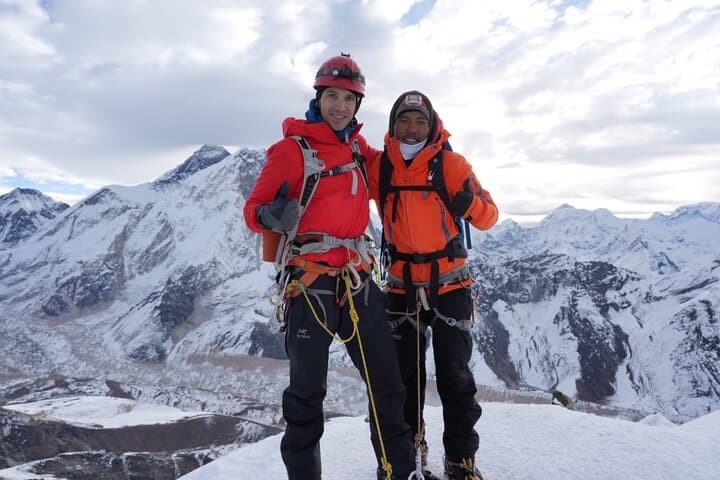
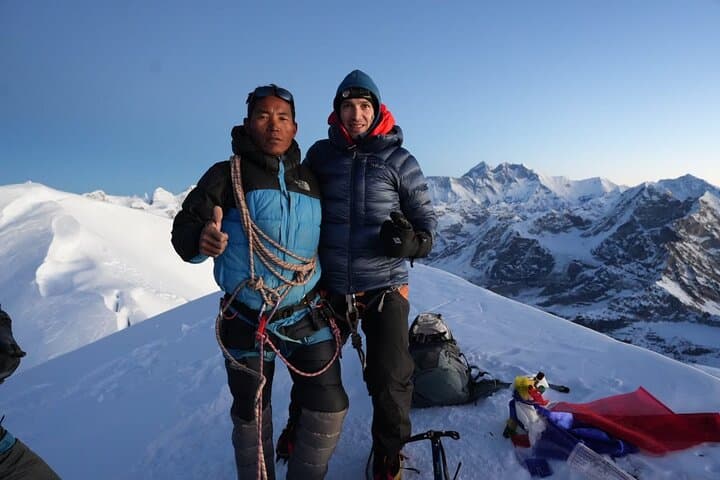
Geology here is raw: uplifted granites and moraine fields carved by glaciers that still shift and groan. The range belongs to the Mahalangur Himalaya, and from Mera’s summit the roof of the world spreads—Everest, Lhotse, Cho Oyu, Makalu, Kanchenjunga visible on clear days. Culturally, the corridor is Sherpa and Limbu country; teahouses and mani walls anchor a living highland culture shaped by yak caravans and seasonal pastures.
Expect long days of walking for acclimatization, mixed terrain from high forest trails to rocky ascents and crevassed glacier travel higher on the route. The final push requires basic alpine techniques—fixed ropes, crampons, and short pitch climbing on snow.
Practical notes: pace your ascent, plan two rest or acclimatization days, and carry layered insulation and a reliable sleeping system for high camps. Hydration and calories matter—altitude blunts appetite but not energy needs. Book certified guides and check TIMS and Makalu-Barun permit requirements in advance.
This climb rewards with sweeping viewpoints and a focused, technical summit day—an alpine objective that asks for preparation, respect, and steady feet.
difficult.
12–18 days.
High-altitude endurance—regular cardio training, long back-to-back days with heavy pack experience, and prior trekking above 4,000 m recommended
Yes—permits, route-finding on the glacier, and fixed-rope sections make a certified guide strongly recommended and often required by operators.
Climbers need a TIMS card and Makalu-Barun/Mera Peak permits; operators usually arrange these but confirm before travel.
The summit day is technical and long—early start, snow slopes, fixed ropes, and exposure—expect 8–12 hours round-trip from high camp depending on conditions.
September–November and March–May offer the best combination of stable weather and visibility for summit attempts.
Mera Peak sits on traditional transhumance routes used by Sherpa and Limbu communities; climbing routes have developed alongside local teahouse networks.
Parts of the approach fall within the Makalu-Barun conservation area—respect waste policies, use local porters and disposal practices, and follow ‘pack-in, pack-out’ for non-biodegradable items.
Himalaya King Trekking And Expedition operates guided outdoor trips and adventures with an emphasis on safety, stewardship, and memorable experiences.
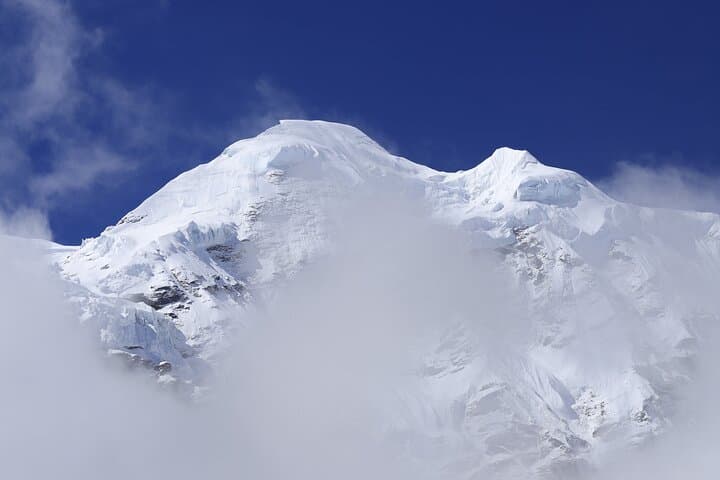
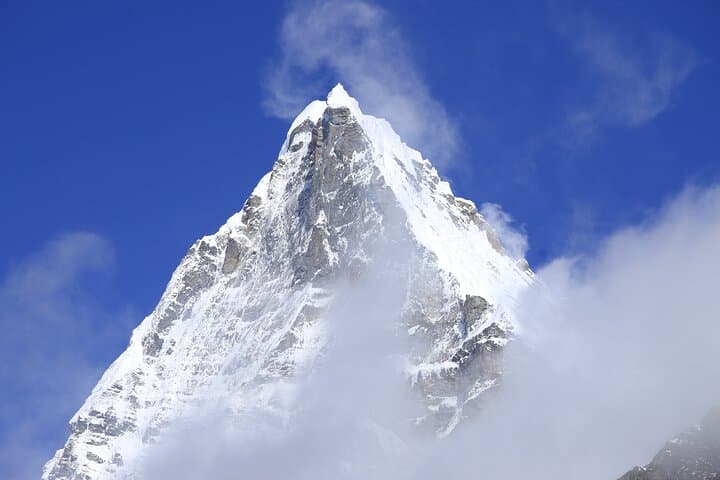
A thin, cold wind pushes across the moraine as you step from Khare’s lodges into the skeletal light of pre-dawn. The trail rises in stages—rutted yak tracks, stone staircases worn by generations, then the crisp blue of the glacier where crampon teeth meet ice. Above, Mera North pins the sky; below, the Hinku Valley threads its way toward lower forests.
A thin, cold wind pushes across the moraine as you step from Khare’s lodges into the skeletal light of pre-dawn. The trail rises in stages—rutted yak tracks, stone staircases worn by generations, then the crisp blue of the glacier where crampon teeth meet ice. Above, Mera North pins the sky; below, the Hinku Valley threads its way toward lower forests.
Geology here is raw: uplifted granites and moraine fields carved by glaciers that still shift and groan. The range belongs to the Mahalangur Himalaya, and from Mera’s summit the roof of the world spreads—Everest, Lhotse, Cho Oyu, Makalu, Kanchenjunga visible on clear days. Culturally, the corridor is Sherpa and Limbu country; teahouses and mani walls anchor a living highland culture shaped by yak caravans and seasonal pastures.
Expect long days of walking for acclimatization, mixed terrain from high forest trails to rocky ascents and crevassed glacier travel higher on the route. The final push requires basic alpine techniques—fixed ropes, crampons, and short pitch climbing on snow.
Practical notes: pace your ascent, plan two rest or acclimatization days, and carry layered insulation and a reliable sleeping system for high camps. Hydration and calories matter—altitude blunts appetite but not energy needs. Book certified guides and check TIMS and Makalu-Barun permit requirements in advance.
This climb rewards with sweeping viewpoints and a focused, technical summit day—an alpine objective that asks for preparation, respect, and steady feet.