THE ADVENTURE COLLECTIVE® · Independent discovery and booking for outdoor travel

Spend a day exploring Mendoza’s organic and biodynamic wineries—visit Krontiras, Riccitelli, and Ernesto Catena for guided cellar tours, tastings, and a gourmet lunch that highlights sustainable Argentine viticulture.
Spend a day exploring Mendoza’s organic and biodynamic wineries—visit Krontiras, Riccitelli, and Ernesto Catena for guided cellar tours, tastings, and a gourmet lunch that highlights sustainable Argentine viticulture.
You arrive under a wide Andean sky, irrigation channels slicing the arid plain into green ribbons while low foothills bend the horizon. Morning light hits vine rows at Krontiras, where biodynamic layouts and stone terraces give the landscape a deliberate geometry; by midday you’ll move into Las Compuertas to witness hands-on sorting at Riccitelli, and finish at Ernesto Catena’s experimental winery where labels and cellar techniques feel unapologetically modern.
Verified experiences and guided adventures in the surrounding area.
Operated by Futuro Travels · Mendoza, Mendoza Province
You arrive under a wide Andean sky, irrigation channels slicing the arid plain into green ribbons while low foothills bend the horizon. Morning light hits vine rows at Krontiras, where biodynamic layouts and stone terraces give the landscape a deliberate geometry; by midday you’ll move into Las Compuertas to witness hands-on sorting at Riccitelli, and finish at Ernesto Catena’s experimental winery where labels and cellar techniques feel unapologetically modern.
Mendoza’s wine story is rooted in 19th-century immigrant vineyards, Andean meltwater channeled by acequias, and decades of trial-and-error that taught growers to respect mineral soils and seasonal extremes. Geology here is simple and decisive: alluvial fans and alluvial soils drained from the Andes create hot days, cool nights, and wines with concentrated fruit and minerality.
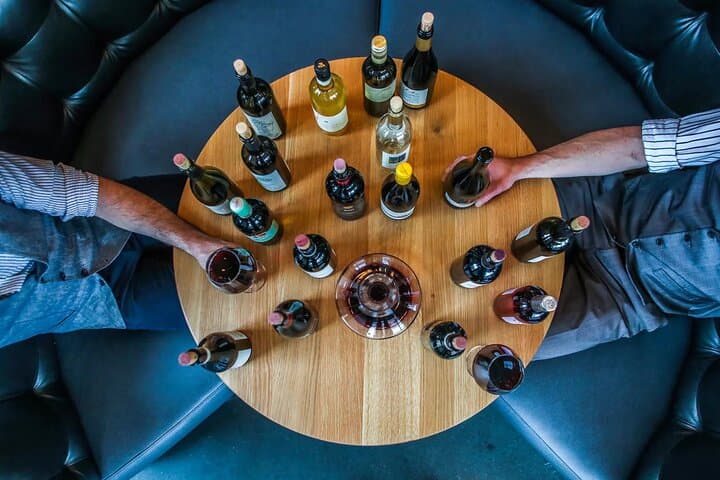
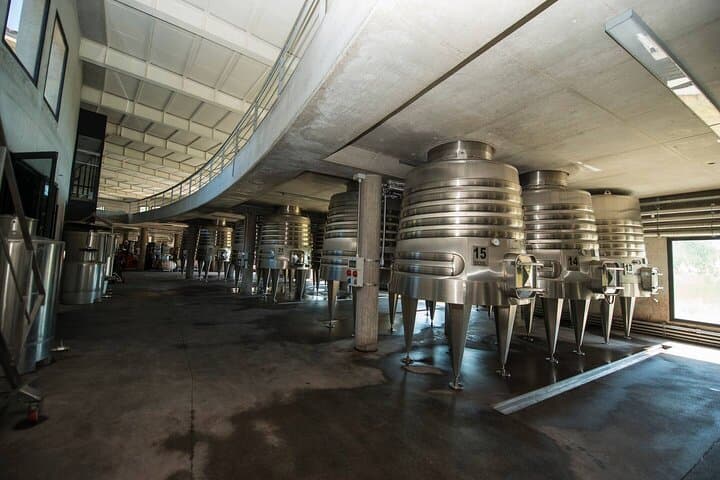
Culturally, these visits blend old-school viticulture—manual harvests, cover crops—with biodynamic calendars and low-intervention vinification. Expect guided cellar tours, close-up views of fermentation vessels, and tastings that contrast organic, biodynamic, and experimental bottlings.
Practical guidance: plan for seven hours on the road with short drives between estates; wear comfortable shoes for uneven cellar floors and sun protection for outdoor tastings. Hydrate between pours and request non-alcoholic pairings if needed. Mobility-conscious travelers should note wheelchair accessibility is usually available but check specific pickup and transport options when booking. Small groups keep the experience conversational; bring a notepad or phone to record favorite bottles and vintages for purchases or later tastings back in Mendoza city.
easy.
7 hours.
Light activity—suitable for most fitness levels; requires standing and short walks.
Most bookings include shared transport from central Mendoza pickup points—confirm your exact pickup location when you complete reservations.
Yes; hosts typically provide non-alcoholic options and will accommodate dietary restrictions if informed ahead of time.
Many estates and transport options are wheelchair accessible, but access can vary by winery—check specific accessibility notes with the operator before booking.
Yes; you can usually buy wines on site. If you plan to ship internationally, ask the winery about export options and any paperwork required.
Mendoza’s viticulture grew with 19th-century immigrants and irrigation from Andean melt, evolving into the region’s modern reputation for dry-farmed quality and Malbec excellence.
Water management and soil health are central concerns; biodynamic and organic practices used by these wineries aim to reduce chemical inputs and conserve irrigation resources.
Futuro Travels operates guided outdoor trips and adventures with an emphasis on safety, stewardship, and memorable experiences.
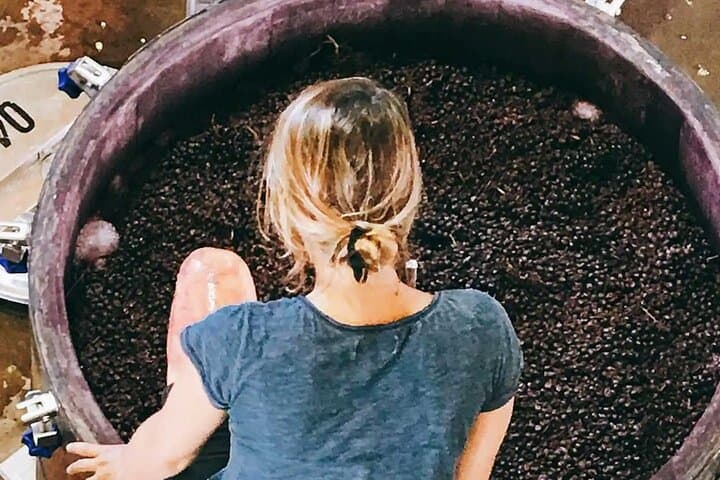
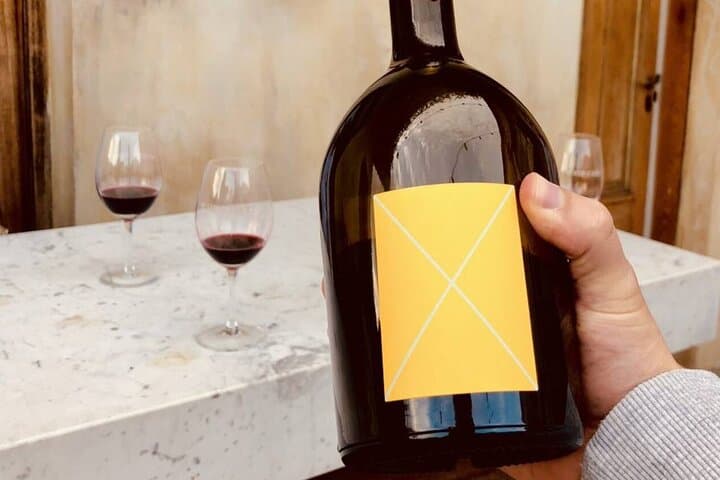
You arrive under a wide Andean sky, irrigation channels slicing the arid plain into green ribbons while low foothills bend the horizon. Morning light hits vine rows at Krontiras, where biodynamic layouts and stone terraces give the landscape a deliberate geometry; by midday you’ll move into Las Compuertas to witness hands-on sorting at Riccitelli, and finish at Ernesto Catena’s experimental winery where labels and cellar techniques feel unapologetically modern.
You arrive under a wide Andean sky, irrigation channels slicing the arid plain into green ribbons while low foothills bend the horizon. Morning light hits vine rows at Krontiras, where biodynamic layouts and stone terraces give the landscape a deliberate geometry; by midday you’ll move into Las Compuertas to witness hands-on sorting at Riccitelli, and finish at Ernesto Catena’s experimental winery where labels and cellar techniques feel unapologetically modern.
Mendoza’s wine story is rooted in 19th-century immigrant vineyards, Andean meltwater channeled by acequias, and decades of trial-and-error that taught growers to respect mineral soils and seasonal extremes. Geology here is simple and decisive: alluvial fans and alluvial soils drained from the Andes create hot days, cool nights, and wines with concentrated fruit and minerality.
Culturally, these visits blend old-school viticulture—manual harvests, cover crops—with biodynamic calendars and low-intervention vinification. Expect guided cellar tours, close-up views of fermentation vessels, and tastings that contrast organic, biodynamic, and experimental bottlings.
Practical guidance: plan for seven hours on the road with short drives between estates; wear comfortable shoes for uneven cellar floors and sun protection for outdoor tastings. Hydrate between pours and request non-alcoholic pairings if needed. Mobility-conscious travelers should note wheelchair accessibility is usually available but check specific pickup and transport options when booking. Small groups keep the experience conversational; bring a notepad or phone to record favorite bottles and vintages for purchases or later tastings back in Mendoza city.