THE ADVENTURE COLLECTIVE® · Independent discovery and booking for outdoor travel

Spend a morning in Mendoza wandering civic plazas and a lunch hour in a traditional winery tasting Malbecs. This five-hour experience blends local history, gentle walks and a three-course winery lunch tailored to first-time visitors and casual wine lovers.
Spend a morning in Mendoza wandering civic plazas and a lunch hour in a traditional winery tasting Malbecs. This five-hour experience blends local history, gentle walks and a three-course winery lunch tailored to first-time visitors and casual wine lovers.
You step out onto a broad avenue and the air tastes faintly of dust and fermenting grapes—the city itself seems to breathe wine. Morning light hits the sculpted lawns of Plaza Independencia while your guide traces the founding of Mendoza on a map that folds into the present: colonial plazas, rationalist government buildings and wide, tree-lined boulevards give way to the low-slung rows of vineyards that fan out toward the Andes.
Verified experiences and guided adventures in the surrounding area.
Operated by Viajes y Diseno EVT 16298 · Mendoza, Mendoza Province
You step out onto a broad avenue and the air tastes faintly of dust and fermenting grapes—the city itself seems to breathe wine. Morning light hits the sculpted lawns of Plaza Independencia while your guide traces the founding of Mendoza on a map that folds into the present: colonial plazas, rationalist government buildings and wide, tree-lined boulevards give way to the low-slung rows of vineyards that fan out toward the Andes.
The tour threads history and landscape. Pedro del Castillo laid out Mendoza in 1561; the Cabildo, now the Museum of the Foundational Area, marks that origin. Within sight of the city, Cerro de la Gloria lifts a bronze figure of General José de San Martín—its rock base a direct nod to the Andean spine that shaped settlement, irrigation and trade. Geologically, Mendoza occupies an alluvial plain deposited by Andean rivers; the acequias—stone irrigation channels—still order the city’s green corridors and the vineyards that follow their water.
Culture in Mendoza is public and edible. The guide points out civic monuments, then steering you toward a traditional bodega, explains how the region’s signature Malbec was born from elevation, chalky alluvial soils and irrigation. Lunch arrives as a three-course, locally driven menu: empanadas or crisp salads to start, a grilled meat with seasonal vegetables, and a slow, social cadence of wine tastings—each pour a small lecture on microclimates and oak aging.
The experience is low-impact physically but dense intellectually: expect a couple of short walks (about 1–2 km total) across city pavements and gravel at the winery, with gentle elevation change—the city sits around 750 meters above sea level, the foothills rising beyond.
Practicalities matter. The full program runs about five hours with hotel pickup from selected properties; dress is smart casual—comfortable shoes for pavement and gravel are essential. The tour is wheelchair accessible and family-friendly; vegetarians can be accommodated with notice. Bring sunscreen and a hat—the sun can be surprisingly strong on the plain—and a reusable water bottle for between tastings. If you’re sensitive to altitude or alcohol, pace your tasting and hydrate.
Timing is tactical: morning city stops are cooler and less crowded, lunch at a winery is calmer on weekdays. Ask ahead about multilingual guides if you need narration in English. For photographers, frame wide shots that include the Andes’ blue band beyond vineyard rows; for a quieter local moment, linger by an acequia and watch the water dare the parched earth to keep green.
This is a tour that balances civic stories with gastronomic curiosity—an easy introduction to Mendoza’s past, its wines, and the landscape that keeps both in motion.
easy.
5 hours.
Suitable for most fitness levels; involves short, easy walks (1–2 km) on mixed pavement and gravel.
Yes—multiple tastings at the traditional winery and a guided explanation of styles are included with the three-course lunch.
Pickup and drop-off are available from selected hotels; confirm your pickup location when booking.
The tour and transportation are listed as wheelchair accessible, but contact the supplier to confirm accessibility details for your specific needs.
Yes—vegetarian options are available, but you should advise the operator of any dietary restrictions at booking.
Smart casual is requested—comfortable shoes for walking, sun protection, and a light layer for shifting temperatures.
Full refunds are available if you cancel at least 24 hours before the scheduled departure; see booking confirmation for specifics.
Mendoza was founded in 1561; Cerro de la Gloria and its monument commemorate General José de San Martín’s crossing of the Andes, a defining event in regional independence.
Viticulturalists in Mendoza increasingly use drip irrigation and organic practices to reduce water use on the arid plains; visitors are encouraged to minimize bottle waste and respect irrigation channels.
Viajes y Diseno EVT 16298 operates guided outdoor trips and adventures with an emphasis on safety, stewardship, and memorable experiences.
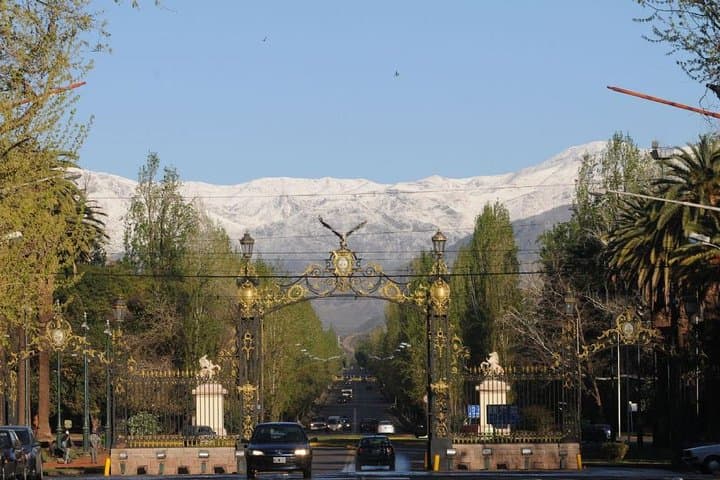
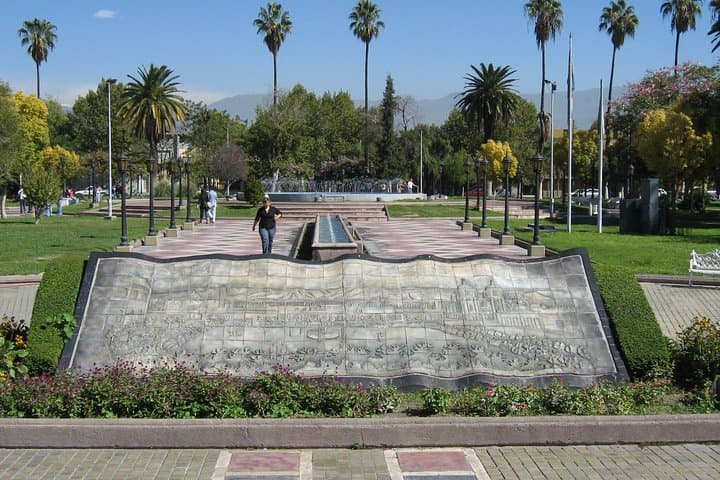
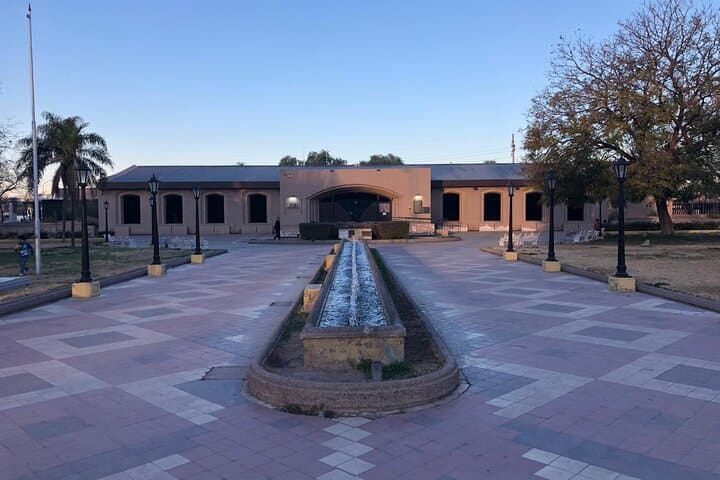
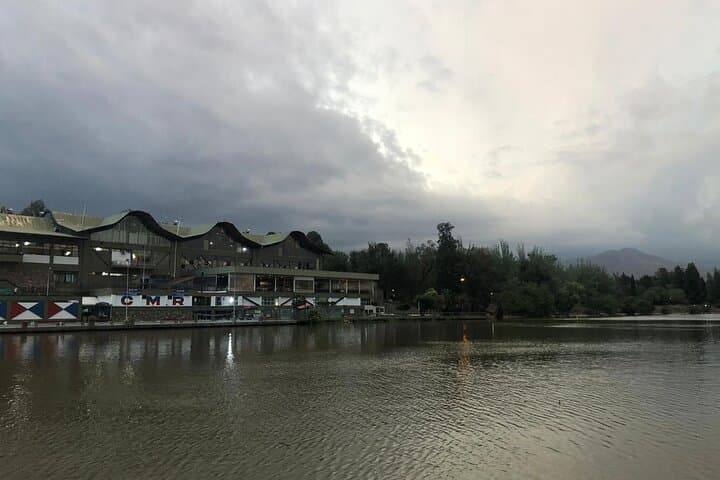
You step out onto a broad avenue and the air tastes faintly of dust and fermenting grapes—the city itself seems to breathe wine. Morning light hits the sculpted lawns of Plaza Independencia while your guide traces the founding of Mendoza on a map that folds into the present: colonial plazas, rationalist government buildings and wide, tree-lined boulevards give way to the low-slung rows of vineyards that fan out toward the Andes.
You step out onto a broad avenue and the air tastes faintly of dust and fermenting grapes—the city itself seems to breathe wine. Morning light hits the sculpted lawns of Plaza Independencia while your guide traces the founding of Mendoza on a map that folds into the present: colonial plazas, rationalist government buildings and wide, tree-lined boulevards give way to the low-slung rows of vineyards that fan out toward the Andes.
The tour threads history and landscape. Pedro del Castillo laid out Mendoza in 1561; the Cabildo, now the Museum of the Foundational Area, marks that origin. Within sight of the city, Cerro de la Gloria lifts a bronze figure of General José de San Martín—its rock base a direct nod to the Andean spine that shaped settlement, irrigation and trade. Geologically, Mendoza occupies an alluvial plain deposited by Andean rivers; the acequias—stone irrigation channels—still order the city’s green corridors and the vineyards that follow their water.
Culture in Mendoza is public and edible. The guide points out civic monuments, then steering you toward a traditional bodega, explains how the region’s signature Malbec was born from elevation, chalky alluvial soils and irrigation. Lunch arrives as a three-course, locally driven menu: empanadas or crisp salads to start, a grilled meat with seasonal vegetables, and a slow, social cadence of wine tastings—each pour a small lecture on microclimates and oak aging.
The experience is low-impact physically but dense intellectually: expect a couple of short walks (about 1–2 km total) across city pavements and gravel at the winery, with gentle elevation change—the city sits around 750 meters above sea level, the foothills rising beyond.
Practicalities matter. The full program runs about five hours with hotel pickup from selected properties; dress is smart casual—comfortable shoes for pavement and gravel are essential. The tour is wheelchair accessible and family-friendly; vegetarians can be accommodated with notice. Bring sunscreen and a hat—the sun can be surprisingly strong on the plain—and a reusable water bottle for between tastings. If you’re sensitive to altitude or alcohol, pace your tasting and hydrate.
Timing is tactical: morning city stops are cooler and less crowded, lunch at a winery is calmer on weekdays. Ask ahead about multilingual guides if you need narration in English. For photographers, frame wide shots that include the Andes’ blue band beyond vineyard rows; for a quieter local moment, linger by an acequia and watch the water dare the parched earth to keep green.
This is a tour that balances civic stories with gastronomic curiosity—an easy introduction to Mendoza’s past, its wines, and the landscape that keeps both in motion.