THE ADVENTURE COLLECTIVE® · Independent discovery and booking for outdoor travel

A full-day guided hike that starts in the Tongass rain forest and climbs onto the rocky flank of Mendenhall Glacier for close-up views of blue ice, crevasses, and Nugget Falls. This trip demands balance, stamina and respect for changing glacial conditions.
A full-day guided hike that starts in the Tongass rain forest and climbs onto the rocky flank of Mendenhall Glacier for close-up views of blue ice, crevasses, and Nugget Falls. This trip demands balance, stamina and respect for changing glacial conditions.
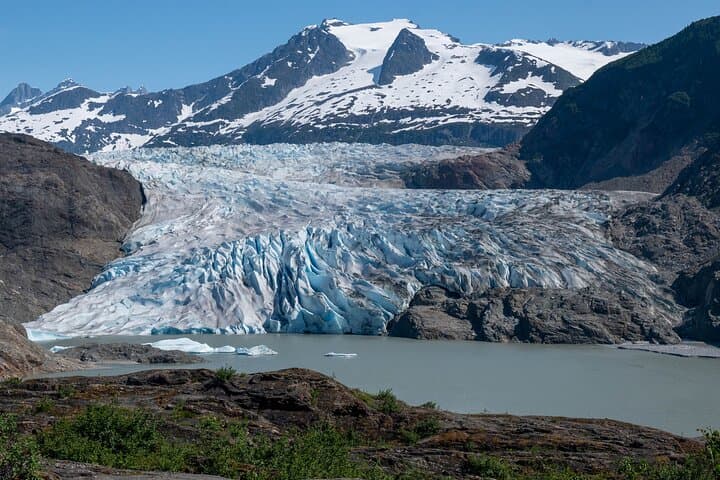
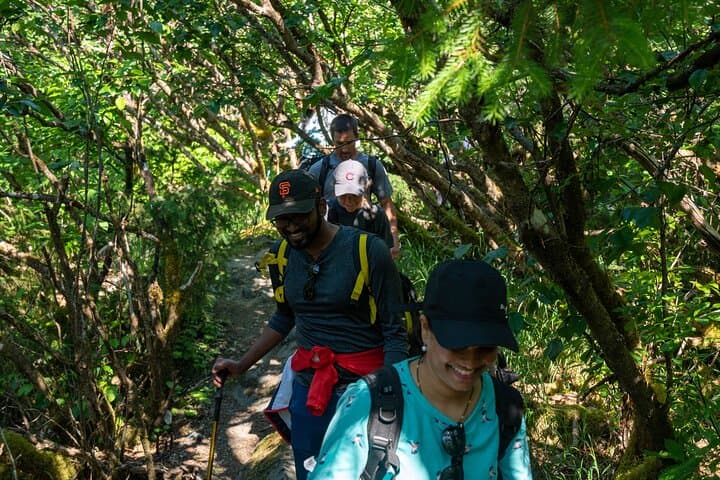
The trail opens like a secret being revealed: first a tunnel of Sitka spruce and western hemlock, then a widening where the forest yields to rock and ice. Your boots thud on wet roots for miles as the Tongass rainforest seems to press you forward, then the land steepens and the glacier’s cold breath appears on the ridge — an immense wall of fractured blue that commands the skyline.
Verified experiences and guided adventures in the surrounding area.
Operated by Above and Beyond Alaska · Juneau, Alaska
The trail opens like a secret being revealed: first a tunnel of Sitka spruce and western hemlock, then a widening where the forest yields to rock and ice. Your boots thud on wet roots for miles as the Tongass rainforest seems to press you forward, then the land steepens and the glacier’s cold breath appears on the ridge — an immense wall of fractured blue that commands the skyline.
This route follows a pattern of natural history: old-growth forest giving way to glacial moraine and ice sculpted since the Little Ice Age. The Mendenhall has been a living, moving feature for centuries and continues to retreat; its jagged terminus and moulins reveal how ice and water carve the valley. Indigenous Tlingit people have long known these landscapes, and modern Juneau grew as miners and settlers used the same waterways that fed the glacier’s melt.
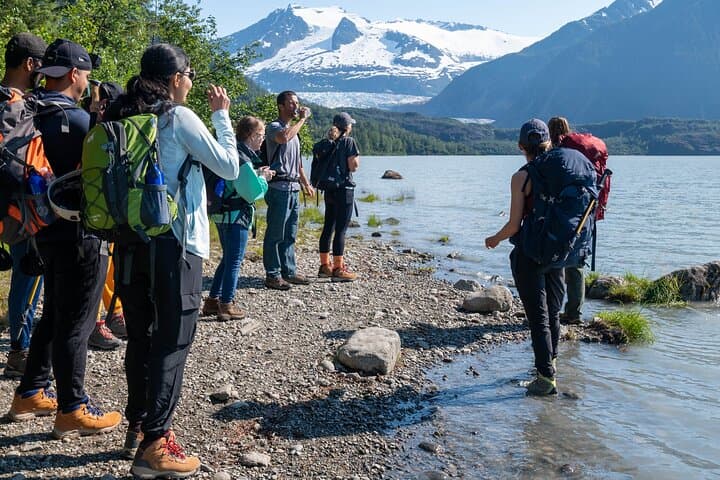
Expect a demanding route: about 6–7 hours, roughly 6–8 miles roundtrip with ~800 feet of ascent, bedrock scrambles, and slippery, uneven footing. Guides outfit groups with backpacks, instruction, and safety gear; crampon training is part of the experience before stepping onto the glacier.
Practical notes: wear stiff-ankle hiking boots, layer for wind and damp cold, and bring snacks, water, and sunscreen — glare from ice is strong. Follow your guide’s route choices, keep distance from the glacier face and icefalls, and be prepared to turn back in poor weather. This is a hands-on wilderness day: expect exhilarating views, close encounters with glacial features, and a sustained physical challenge rather than a casual walk.
challenging.
6–7 hours.
Good cardiovascular fitness and leg strength; comfortable hiking up to 7 miles with repeated short scrambles and carrying a light pack.
Yes — guided glacier travel is part of the itinerary; guides provide crampons and instruction, and will limit route choice depending on daily hazard assessments.
This is a challenging day-hike suitable for people comfortable hiking 6–8 miles with uneven footing, steep rock sections and roughly 800 ft of elevation gain; strong balance and stamina required.
Roundtrip transportation from the designated downtown meeting point is included; cruise-ship passengers are directed to a central “C” sign near the docks.
Minimum age is generally 10 years (custom trips possible for 8–9); not recommended for those with serious heart, spinal, or pregnancy-related conditions.
Mendenhall Glacier and its valley were historically used by Tlingit communities; the glacier’s English name honors 19th-century scientist Thomas Mendenhall while the landscape bears Indigenous cultural ties.
The glacier is visibly retreating; stick to established trails and moraines, pack out waste, and respect seasonal wildlife to reduce human impact on sensitive glacial and rainforest ecosystems.
Above and Beyond Alaska operates guided outdoor trips and adventures with an emphasis on safety, stewardship, and memorable experiences.

The trail opens like a secret being revealed: first a tunnel of Sitka spruce and western hemlock, then a widening where the forest yields to rock and ice. Your boots thud on wet roots for miles as the Tongass rainforest seems to press you forward, then the land steepens and the glacier’s cold breath appears on the ridge — an immense wall of fractured blue that commands the skyline.
The trail opens like a secret being revealed: first a tunnel of Sitka spruce and western hemlock, then a widening where the forest yields to rock and ice. Your boots thud on wet roots for miles as the Tongass rainforest seems to press you forward, then the land steepens and the glacier’s cold breath appears on the ridge — an immense wall of fractured blue that commands the skyline.
This route follows a pattern of natural history: old-growth forest giving way to glacial moraine and ice sculpted since the Little Ice Age. The Mendenhall has been a living, moving feature for centuries and continues to retreat; its jagged terminus and moulins reveal how ice and water carve the valley. Indigenous Tlingit people have long known these landscapes, and modern Juneau grew as miners and settlers used the same waterways that fed the glacier’s melt.
Expect a demanding route: about 6–7 hours, roughly 6–8 miles roundtrip with ~800 feet of ascent, bedrock scrambles, and slippery, uneven footing. Guides outfit groups with backpacks, instruction, and safety gear; crampon training is part of the experience before stepping onto the glacier.
Practical notes: wear stiff-ankle hiking boots, layer for wind and damp cold, and bring snacks, water, and sunscreen — glare from ice is strong. Follow your guide’s route choices, keep distance from the glacier face and icefalls, and be prepared to turn back in poor weather. This is a hands-on wilderness day: expect exhilarating views, close encounters with glacial features, and a sustained physical challenge rather than a casual walk.