THE ADVENTURE COLLECTIVE® · Independent discovery and booking for outdoor travel

An early-morning drive out of Addis turns into a day among junipers and highland birds. The Menagesha Suba State Forest day trip pairs a moderate hike up Mount Wechecha with focused birdwatching and a cultural stop at Addis Alem.
An early-morning drive out of Addis turns into a day among junipers and highland birds. The Menagesha Suba State Forest day trip pairs a moderate hike up Mount Wechecha with focused birdwatching and a cultural stop at Addis Alem.
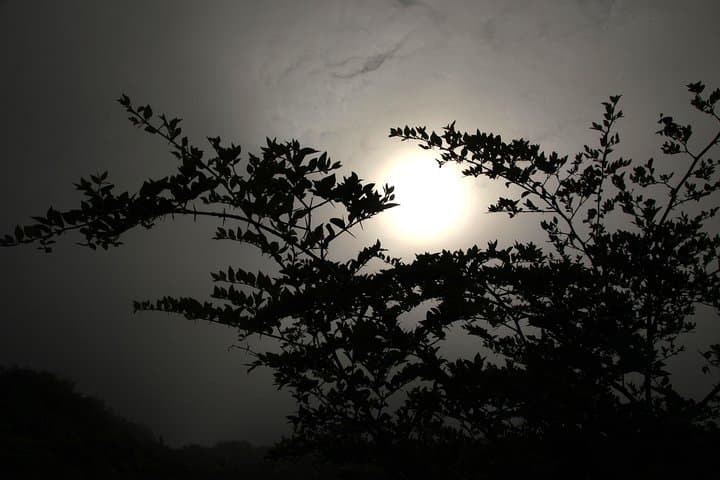
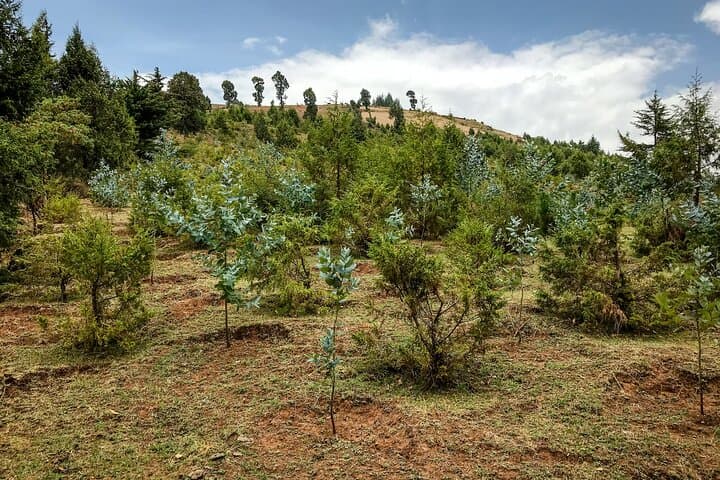
By dawn the road west from Addis Ababa narrows and the city’s haze peels away. Within an hour and a half the asphalt gives way to a tree-lined approach and then to pockets of pine and juniper where the air tightens and cools. Menagesha Suba State Forest—one of Africa’s oldest state forests—opens like a green room to birdwatchers and hikers: the paths rise through mossy trunks, birds call from the canopy, and occasional clearings give views back toward the Addis plain.
Verified experiences and guided adventures in the surrounding area.
Operated by Finot Tour Ethiopia - Day Tours · Addis Ababa, Oromia
By dawn the road west from Addis Ababa narrows and the city’s haze peels away. Within an hour and a half the asphalt gives way to a tree-lined approach and then to pockets of pine and juniper where the air tightens and cools. Menagesha Suba State Forest—one of Africa’s oldest state forests—opens like a green room to birdwatchers and hikers: the paths rise through mossy trunks, birds call from the canopy, and occasional clearings give views back toward the Addis plain.
The forest has a long human story. In the 15th century Emperor Zera Yacob is recorded as initiating reforestation around Mount Wechecha; later, Emperor Menelik II considered moving the capital because of local timber shortages, leaving behind an imperial footprint in the nearby town of Addis Alem. Geologically, Menagesha occupies the western fringe of the Ethiopian Highlands, where uplifted basalt plateaus are scored by erosion—soil here is deep in places, rocky in others, and holds a surprising diversity of flora adapted to montane conditions.
Culturally the route feels lived-in: passing potters’ markets on the Jimma road, skirting small farm plots, then slipping into the quiet of high forest. Birdlife dominates the itinerary—Abyssinian Catbird, Banded Barbet, Golden-backed Woodpecker, and Yellow-fronted Parrot are regulars—and larger mammals like Menelik’s Bushbuck and the colobus monkey are often heard before seen. Leopards are part of the forest’s catalog but exceptionally rare.
The typical day starts at 7:00, with a 50 km drive that climbs to the Menagesha/Wechecha ridge. The hike itself is typically a 6–10 km round-trip with roughly 400–600 m of elevation gain depending on the chosen route; trails are a mix of soft needle-litter and stony switchbacks. Expect picnic lunch on a high slope, then a return through forest to the Ambo road, with an afternoon stop at the small historic town of Addis Alem where the church of Mariam and Menelik-era structures offer a compact cultural detour.
Practical edge: start early to catch birds at their most active and to avoid afternoon cloud and wind on the ridge. Footwear with good grip will matter on wet slopes; bring a light waterproof, binoculars, water, and sun protection. The supplier generally includes lunch, bottled water, and vehicle fuel; a moderate fitness level is required and the day lasts about 8–10 hours. Conservation is active here—visitors are asked to stay on trails and avoid feeding wildlife to protect the forest’s recovering understory.
For travelers based in Addis Ababa this is an achievable full-day escape—part natural history lesson, part moderate mountain outing—and a clear reminder that Ethiopia’s highlands still hold quiet, bird-rich forests within striking distance of the capital.
moderate.
8–10 hours.
Moderate fitness recommended—comfortable walking on uneven trails for several hours and climbing 400–600 m elevation.
Expect a 6–10 km round-trip with roughly 400–600 m of elevation gain; trails are moderate with some steep switchbacks but no technical sections.
Children with experience walking several hours can manage, but the tour requires moderate fitness; infants must sit on laps and infant seats may be available.
Lunch and two liters of bottled water per passenger are typically included; bringing extra water and snacks is recommended.
Leopards are recorded in the area but are very rarely seen; bird species and smaller mammals like bushbuck and colobus monkeys are more commonly encountered.
Pickup is usually arranged from Addis Ababa locations including Bole International Airport if requested; plan to be ready 15 minutes before the scheduled pickup time.
Elevation is high (Addis Ababa sits above 2,300 m and trails climb higher); most visiting from the city acclimatize well, but take it easy if you are sensitive to altitude.
The forest reflects centuries of management: 15th-century reforestation orders under Emperor Zera Yacob and later imperial conservation efforts tied to Menelik II shaped the landscape.
Menagesha is a state forest with active protection programs; visitors are encouraged to stay on trails, pack out waste, and avoid feeding wildlife to support regeneration.
Finot Tour Ethiopia - Day Tours operates guided outdoor trips and adventures with an emphasis on safety, stewardship, and memorable experiences.
By dawn the road west from Addis Ababa narrows and the city’s haze peels away. Within an hour and a half the asphalt gives way to a tree-lined approach and then to pockets of pine and juniper where the air tightens and cools. Menagesha Suba State Forest—one of Africa’s oldest state forests—opens like a green room to birdwatchers and hikers: the paths rise through mossy trunks, birds call from the canopy, and occasional clearings give views back toward the Addis plain.
By dawn the road west from Addis Ababa narrows and the city’s haze peels away. Within an hour and a half the asphalt gives way to a tree-lined approach and then to pockets of pine and juniper where the air tightens and cools. Menagesha Suba State Forest—one of Africa’s oldest state forests—opens like a green room to birdwatchers and hikers: the paths rise through mossy trunks, birds call from the canopy, and occasional clearings give views back toward the Addis plain.
The forest has a long human story. In the 15th century Emperor Zera Yacob is recorded as initiating reforestation around Mount Wechecha; later, Emperor Menelik II considered moving the capital because of local timber shortages, leaving behind an imperial footprint in the nearby town of Addis Alem. Geologically, Menagesha occupies the western fringe of the Ethiopian Highlands, where uplifted basalt plateaus are scored by erosion—soil here is deep in places, rocky in others, and holds a surprising diversity of flora adapted to montane conditions.
Culturally the route feels lived-in: passing potters’ markets on the Jimma road, skirting small farm plots, then slipping into the quiet of high forest. Birdlife dominates the itinerary—Abyssinian Catbird, Banded Barbet, Golden-backed Woodpecker, and Yellow-fronted Parrot are regulars—and larger mammals like Menelik’s Bushbuck and the colobus monkey are often heard before seen. Leopards are part of the forest’s catalog but exceptionally rare.
The typical day starts at 7:00, with a 50 km drive that climbs to the Menagesha/Wechecha ridge. The hike itself is typically a 6–10 km round-trip with roughly 400–600 m of elevation gain depending on the chosen route; trails are a mix of soft needle-litter and stony switchbacks. Expect picnic lunch on a high slope, then a return through forest to the Ambo road, with an afternoon stop at the small historic town of Addis Alem where the church of Mariam and Menelik-era structures offer a compact cultural detour.
Practical edge: start early to catch birds at their most active and to avoid afternoon cloud and wind on the ridge. Footwear with good grip will matter on wet slopes; bring a light waterproof, binoculars, water, and sun protection. The supplier generally includes lunch, bottled water, and vehicle fuel; a moderate fitness level is required and the day lasts about 8–10 hours. Conservation is active here—visitors are asked to stay on trails and avoid feeding wildlife to protect the forest’s recovering understory.
For travelers based in Addis Ababa this is an achievable full-day escape—part natural history lesson, part moderate mountain outing—and a clear reminder that Ethiopia’s highlands still hold quiet, bird-rich forests within striking distance of the capital.