THE ADVENTURE COLLECTIVE® · Independent discovery and booking for outdoor travel

Explore Egypt’s Old Kingdom in a single day: from the Giza Plateau’s three pyramids and the Sphinx to Saqqara’s Step Pyramid and Dahshur’s Bent and Red Pyramids. This guided tour pairs archaeological context with easy logistics—hotel pickup, AC transport, and a camel ride in the desert.
Explore Egypt’s Old Kingdom in a single day: from the Giza Plateau’s three pyramids and the Sphinx to Saqqara’s Step Pyramid and Dahshur’s Bent and Red Pyramids. This guided tour pairs archaeological context with easy logistics—hotel pickup, AC transport, and a camel ride in the desert.
Dust lifts off the asphalt as the air-conditioned van pulls away from Giza; within minutes the skyline of flat desert and stone meets the silhouette of three ancient giants. Walking onto the Giza Plateau, the Great Pyramid looms with a quiet insistence, the Sphinx watching over a landscape shaped by human ambition and Nile-fed life.
Verified experiences and guided adventures in the surrounding area.
Operated by Egypt Best Day Tours · Cairo, Cairo Governorate
Dust lifts off the asphalt as the air-conditioned van pulls away from Giza; within minutes the skyline of flat desert and stone meets the silhouette of three ancient giants. Walking onto the Giza Plateau, the Great Pyramid looms with a quiet insistence, the Sphinx watching over a landscape shaped by human ambition and Nile-fed life.
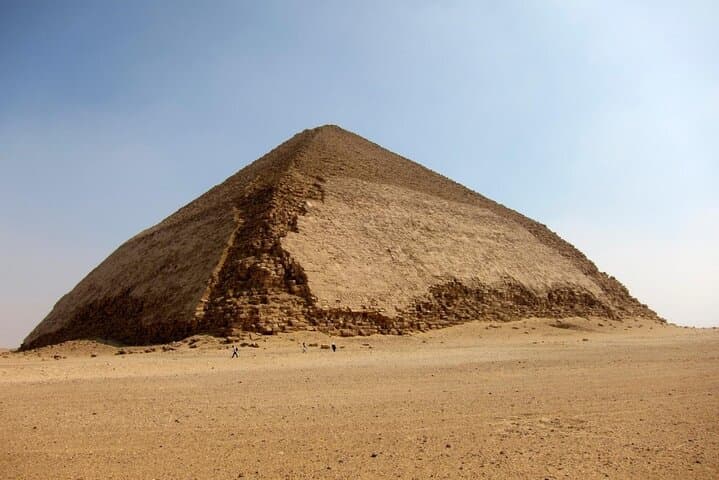
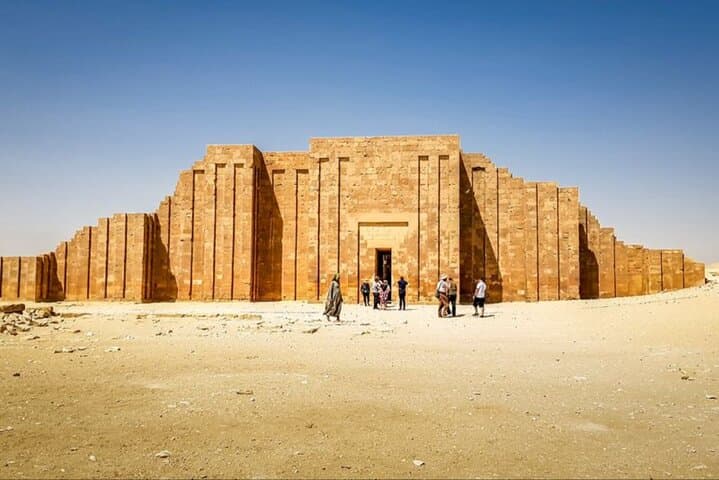
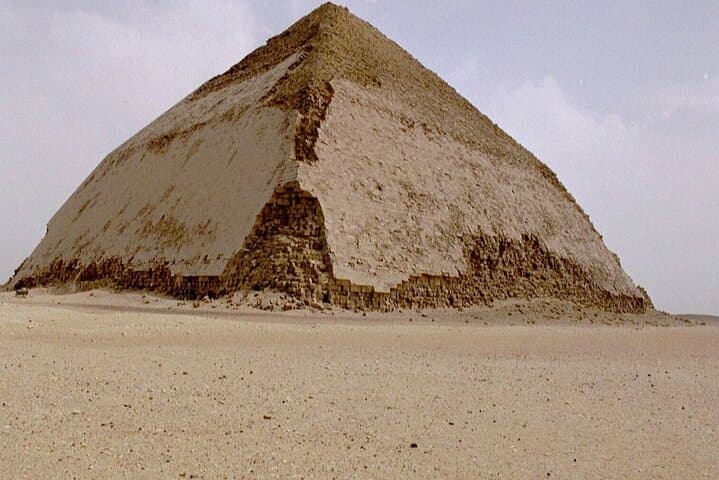
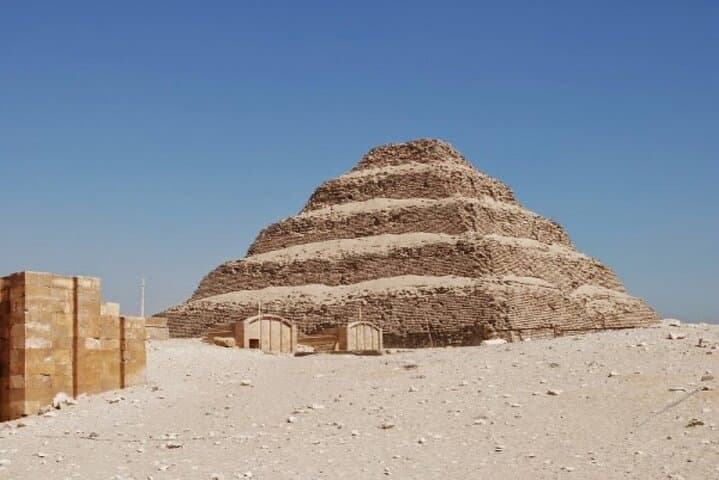
This itinerary threads Egypt’s oldest capitals and funerary sites: Giza’s trio of pyramids and the Valley Temple, Saqqara’s stepped innovations at Djoser, the open-air ruins of Memphis with its colossal Ramses II fragments, and Dahshur’s experimental Bent and Red Pyramids. Geology here is simple but telling—limestone benches quarried and stacked, red limestone surfacing at Dahshur, and the soft desert that both preserves and erodes millennia-old masonry. Cultural layers run from archaic state formation through Old Kingdom engineering feats, all explained by an Egyptologist who translates inscriptions into context.
Practicalities shape the day: expect roughly nine hours including short walks, a 30-minute camel ride, and multiple stops for photos and interpretation. Wear sturdy shoes for uneven stone and sandy tracks; sun is relentless and moves across exposed sites, so schedule walking in the morning when possible. Bring photocopies of your passport for museum entries, local currency for tips and souvenirs, and a reusable water bottle—the guide supplies bottled water but refills are convenient. Respect signs and barriers: these sites are fragile and management policies change, so follow your guide’s directions.
This tour blends archaeology with logistical ease—ideal for travelers who want a concentrated, informed sweep through Egypt’s formative monuments without overnight travel.
easy.
9 hours.
Light to moderate—most time is spent in a vehicle with short to moderate walks across uneven ground
Entrance fees are typically not included—confirm with the operator before booking and carry cash or card to cover site admissions if required.
Yes—this tour involves short walks and vehicle transfers; however, uneven terrain and some steps may be challenging for limited mobility—inform the operator of special needs.
Access to pyramid interiors is occasionally restricted and may require additional tickets; your guide will advise on current regulations at the time of your visit.
Licensed Egyptologist guides commonly speak English and may offer other languages on request; verify language availability when booking.
Memphis and Saqqara formed the administrative and funerary core of early dynastic Egypt; Saqqara’s Step Pyramid predates the smooth-sided pyramids by centuries.
Sites are vulnerable to erosion and visitor impact—stay on marked paths, avoid climbing ancient masonry, and support local guides who advocate for responsible tourism.
Egypt Best Day Tours operates guided outdoor trips and adventures with an emphasis on safety, stewardship, and memorable experiences.
Dust lifts off the asphalt as the air-conditioned van pulls away from Giza; within minutes the skyline of flat desert and stone meets the silhouette of three ancient giants. Walking onto the Giza Plateau, the Great Pyramid looms with a quiet insistence, the Sphinx watching over a landscape shaped by human ambition and Nile-fed life.
Dust lifts off the asphalt as the air-conditioned van pulls away from Giza; within minutes the skyline of flat desert and stone meets the silhouette of three ancient giants. Walking onto the Giza Plateau, the Great Pyramid looms with a quiet insistence, the Sphinx watching over a landscape shaped by human ambition and Nile-fed life.
This itinerary threads Egypt’s oldest capitals and funerary sites: Giza’s trio of pyramids and the Valley Temple, Saqqara’s stepped innovations at Djoser, the open-air ruins of Memphis with its colossal Ramses II fragments, and Dahshur’s experimental Bent and Red Pyramids. Geology here is simple but telling—limestone benches quarried and stacked, red limestone surfacing at Dahshur, and the soft desert that both preserves and erodes millennia-old masonry. Cultural layers run from archaic state formation through Old Kingdom engineering feats, all explained by an Egyptologist who translates inscriptions into context.
Practicalities shape the day: expect roughly nine hours including short walks, a 30-minute camel ride, and multiple stops for photos and interpretation. Wear sturdy shoes for uneven stone and sandy tracks; sun is relentless and moves across exposed sites, so schedule walking in the morning when possible. Bring photocopies of your passport for museum entries, local currency for tips and souvenirs, and a reusable water bottle—the guide supplies bottled water but refills are convenient. Respect signs and barriers: these sites are fragile and management policies change, so follow your guide’s directions.
This tour blends archaeology with logistical ease—ideal for travelers who want a concentrated, informed sweep through Egypt’s formative monuments without overnight travel.