THE ADVENTURE COLLECTIVE® · Independent discovery and booking for outdoor travel

Explore the sounds that made Memphis famous with an audio-guided visit to the Memphis Rock 'n' Soul Museum. This compact museum unpacks the city's role in blues, soul and rock with artifacts, listening stations and concise context.
Explore the sounds that made Memphis famous with an audio-guided visit to the Memphis Rock 'n' Soul Museum. This compact museum unpacks the city's role in blues, soul and rock with artifacts, listening stations and concise context.
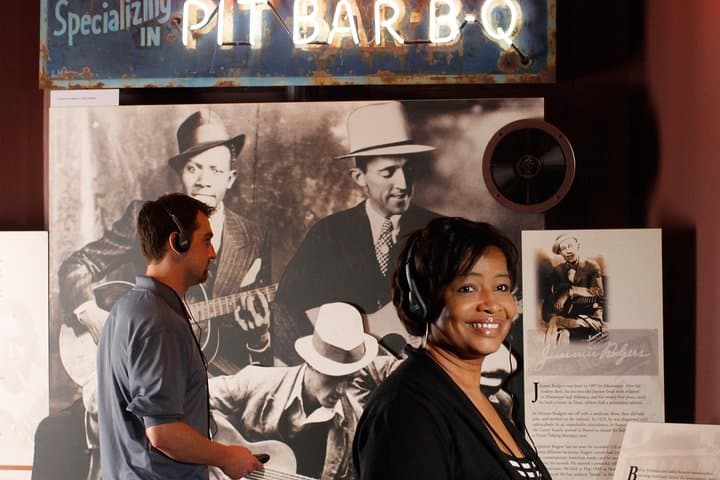
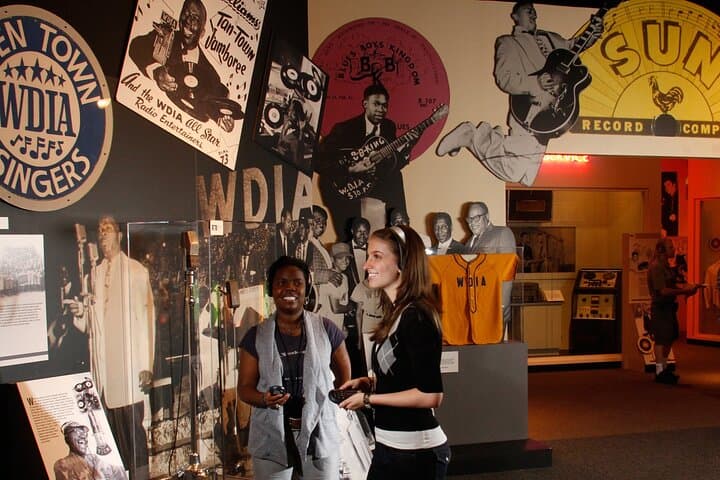
You step off Beale Street into a cool, dim gallery where vintage records and handwritten set lists sit under low light and the audio guide begins to play — stories of cotton fields, juke joints and radio stations that turned local talent into national sounds. The museum places you inside Memphis at the exact point where blues, gospel and country collided and pushed a new music forward.
Verified experiences and guided adventures in the surrounding area.
Operated by Memphis Rock 'n' Soul Museum · Memphis, Tennessee
You step off Beale Street into a cool, dim gallery where vintage records and handwritten set lists sit under low light and the audio guide begins to play — stories of cotton fields, juke joints and radio stations that turned local talent into national sounds. The museum places you inside Memphis at the exact point where blues, gospel and country collided and pushed a new music forward.
Created in collaboration with the Smithsonian, the exhibits trace the city’s musical evolution from early Delta blues through Stax and Sun Studio to the soul and rock that put Memphis on the map. Artifact cases hold Gibson guitars, horn charts and photos; listening stations let you hear the rhythms that shaped the region. The city’s geography — the Mississippi River’s pull, the rail lines and river trade — is part of the story, explaining why musicians and influences converged here.
Culture here is immediate: Beale Street’s live clubs are a block away, and nearby sites like Sun Studio and the National Civil Rights Museum deepen context for what you hear inside. Practicalities: admission includes a self-led audio guide; tickets are exchanged at the attraction entrance and typical visits run 60–120 minutes. The space is wheelchair accessible, with benches and clear paths. Flash photography is prohibited to protect artifacts, and the museum enforces basic health checks and mask policies when required.
Plan for mid-morning visits to avoid crowds, pair the stop with a riverfront walk at Tom Lee Park, and bring earbuds if you prefer private listening. This is a compact, focused museum experience that gives you the sonic and social history behind Memphis music in under two hours.
easy.
1–2 hours.
Suitable for all fitness levels; minimal walking and many places to sit.
Most visitors spend 60–120 minutes experiencing the full audio guide and exhibits.
Yes — ramps, accessible routes and benches are available throughout the museum.
Yes — mobile and paper tickets are accepted but must be exchanged for entry at the attraction start point.
Non-flash photography is generally allowed, but flash is prohibited to protect delicate artifacts.
Opened with Smithsonian support, the museum chronicles Memphis’s role in transforming regional music traditions into national rock and soul movements.
The museum emphasizes artifact preservation (no flash, limited handling) and supports local music heritage through education and community programming.
Memphis Rock 'n' Soul Museum operates guided outdoor trips and adventures with an emphasis on safety, stewardship, and memorable experiences.

You step off Beale Street into a cool, dim gallery where vintage records and handwritten set lists sit under low light and the audio guide begins to play — stories of cotton fields, juke joints and radio stations that turned local talent into national sounds. The museum places you inside Memphis at the exact point where blues, gospel and country collided and pushed a new music forward.
You step off Beale Street into a cool, dim gallery where vintage records and handwritten set lists sit under low light and the audio guide begins to play — stories of cotton fields, juke joints and radio stations that turned local talent into national sounds. The museum places you inside Memphis at the exact point where blues, gospel and country collided and pushed a new music forward.
Created in collaboration with the Smithsonian, the exhibits trace the city’s musical evolution from early Delta blues through Stax and Sun Studio to the soul and rock that put Memphis on the map. Artifact cases hold Gibson guitars, horn charts and photos; listening stations let you hear the rhythms that shaped the region. The city’s geography — the Mississippi River’s pull, the rail lines and river trade — is part of the story, explaining why musicians and influences converged here.
Culture here is immediate: Beale Street’s live clubs are a block away, and nearby sites like Sun Studio and the National Civil Rights Museum deepen context for what you hear inside. Practicalities: admission includes a self-led audio guide; tickets are exchanged at the attraction entrance and typical visits run 60–120 minutes. The space is wheelchair accessible, with benches and clear paths. Flash photography is prohibited to protect artifacts, and the museum enforces basic health checks and mask policies when required.
Plan for mid-morning visits to avoid crowds, pair the stop with a riverfront walk at Tom Lee Park, and bring earbuds if you prefer private listening. This is a compact, focused museum experience that gives you the sonic and social history behind Memphis music in under two hours.