THE ADVENTURE COLLECTIVE® · Independent discovery and booking for outdoor travel

Ride an air-conditioned loop through Memphis’s musical and civil-rights landmarks with unlimited hop-on, hop-off access. Perfect for first-time visitors who want flexible sightseeing at Beale Street, Graceland, and the riverfront.
Ride an air-conditioned loop through Memphis’s musical and civil-rights landmarks with unlimited hop-on, hop-off access. Perfect for first-time visitors who want flexible sightseeing at Beale Street, Graceland, and the riverfront.
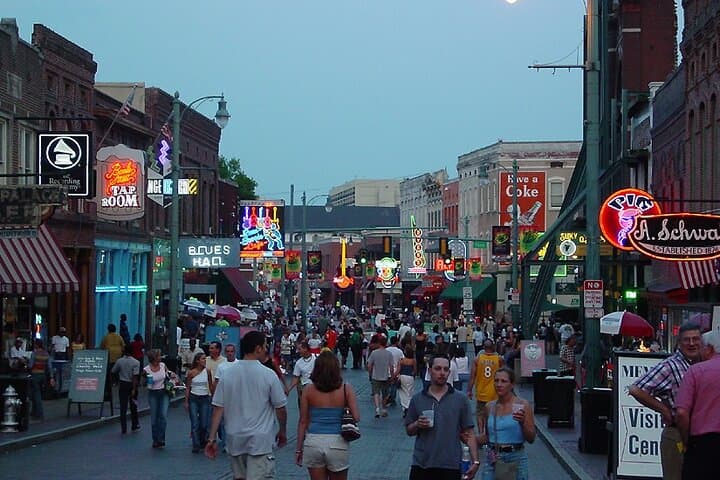
You step off the sidewalk and the Memphis air wraps around you—river-borne humidity, the distant thump of bass from a storefront band, neon blinking over a well-worn brick street.
Verified experiences and guided adventures in the surrounding area.
Operated by Blues City Tours · Memphis, Tennessee
You step off the sidewalk and the Memphis air wraps around you—river-borne humidity, the distant thump of bass from a storefront band, neon blinking over a well-worn brick street.
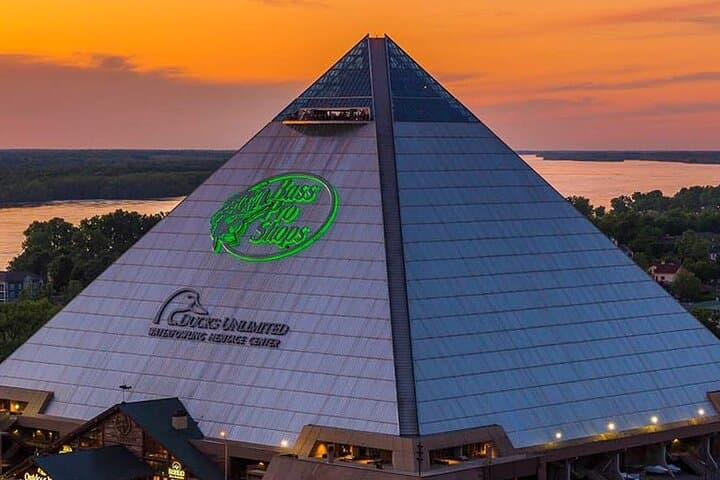
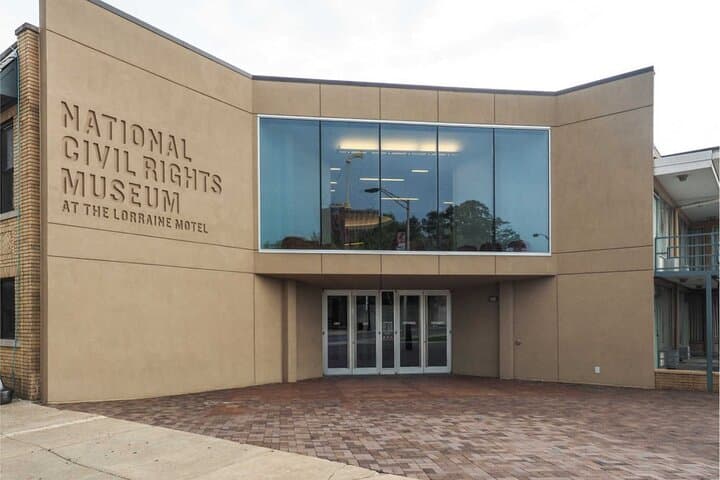
The hop-on hop-off loop threads the city’s headline sites: Beale Street’s live-music pulse, the National Civil Rights Museum’s solemn galleries, Sun Studio’s cramped recording room, Graceland’s lacquered gates and the glass-fronted Bass Pro at the Pyramid. The Mississippi River runs alongside, daring you to pause at Tom Lee Park and watch barges slide past like slow, mechanical whales.
Memphis carries layered histories: an 1800s river port shaped by commerce and cotton, a 20th-century crucible for blues and rock ’n’ roll, and a central role in the civil-rights movement—context the guides fold into each stop. Geology is quiet here; the city sits on river-deposited alluvium with long, flat vistas and a few uplifted bluffs visible upriver.
Practical guidance: buses circle roughly every 90 minutes with unlimited rides for your ticket—plan pockets of 45–90 minutes per stop to explore. Graceland and museums often require separate entry tickets and timed admissions; check schedules before you hop off. The tour operates in air-conditioned vehicles; strollers and service animals are allowed, but those prone to motion sickness should pick seats near the front.
Bring comfortable walking shoes, a refillable water bottle, and a light rain layer for sudden showers. Aim for morning loops to avoid the busiest afternoon crowds and to catch cooler riverfront air. With clear logistics and live storytelling, this loop turns a sprawling city into a readable route—one musical riff, museum room, and river view at a time.
easy.
2–6 hours.
Suitable for most fitness levels—requires walking between stops (short blocks and stairs at some sites).
Buses run a loop approximately every 90 minutes; frequency can vary by time of day and traffic.
Yes—some attractions require separate, timed-entry tickets; book those in advance to secure preferred times.
The service is stroller-accessible and service animals are allowed; accessibility at individual stops varies, so check attraction accessibility details.
Tickets can be redeemed at designated locations or from the driver—confirm the redemption option when booking or call ahead.
Memphis grew as a Mississippi River port and became a crucible for blues and rock ’n’ roll; it also anchors crucial moments in the civil-rights movement, including the National Civil Rights Museum at Lorraine Motel.
Riverfront stewardship and downtown green-space initiatives aim to reduce litter and erosion—visit with minimal impact and support local preservation efforts.
Blues City Tours operates guided outdoor trips and adventures with an emphasis on safety, stewardship, and memorable experiences.

You step off the sidewalk and the Memphis air wraps around you—river-borne humidity, the distant thump of bass from a storefront band, neon blinking over a well-worn brick street.
You step off the sidewalk and the Memphis air wraps around you—river-borne humidity, the distant thump of bass from a storefront band, neon blinking over a well-worn brick street.
The hop-on hop-off loop threads the city’s headline sites: Beale Street’s live-music pulse, the National Civil Rights Museum’s solemn galleries, Sun Studio’s cramped recording room, Graceland’s lacquered gates and the glass-fronted Bass Pro at the Pyramid. The Mississippi River runs alongside, daring you to pause at Tom Lee Park and watch barges slide past like slow, mechanical whales.
Memphis carries layered histories: an 1800s river port shaped by commerce and cotton, a 20th-century crucible for blues and rock ’n’ roll, and a central role in the civil-rights movement—context the guides fold into each stop. Geology is quiet here; the city sits on river-deposited alluvium with long, flat vistas and a few uplifted bluffs visible upriver.
Practical guidance: buses circle roughly every 90 minutes with unlimited rides for your ticket—plan pockets of 45–90 minutes per stop to explore. Graceland and museums often require separate entry tickets and timed admissions; check schedules before you hop off. The tour operates in air-conditioned vehicles; strollers and service animals are allowed, but those prone to motion sickness should pick seats near the front.
Bring comfortable walking shoes, a refillable water bottle, and a light rain layer for sudden showers. Aim for morning loops to avoid the busiest afternoon crowds and to catch cooler riverfront air. With clear logistics and live storytelling, this loop turns a sprawling city into a readable route—one musical riff, museum room, and river view at a time.