THE ADVENTURE COLLECTIVE® · Independent discovery and booking for outdoor travel

Walk through Memphis at your own pace with a smartphone-guided tour that links blues clubs, murals, and the Lorraine Motel to the civil rights struggle. GPS-triggered narration highlights music, protest, and local stories in a 60–120 minute self-guided route.
Walk through Memphis at your own pace with a smartphone-guided tour that links blues clubs, murals, and the Lorraine Motel to the civil rights struggle. GPS-triggered narration highlights music, protest, and local stories in a 60–120 minute self-guided route.
Step off Beale Street and the city opens like a record: the hum of traffic, distant river air, and a faint guitar thread that cues each stop. This self-guided smartphone walk moves at your pace between blues clubs, murals, and the Lorraine Motel balcony where the civil rights movement’s last chapter in Memphis was written.
Verified experiences and guided adventures in the surrounding area.
Operated by WalknTours · Memphis, Tennessee
Step off Beale Street and the city opens like a record: the hum of traffic, distant river air, and a faint guitar thread that cues each stop. This self-guided smartphone walk moves at your pace between blues clubs, murals, and the Lorraine Motel balcony where the civil rights movement’s last chapter in Memphis was written.
The route traces 20th-century history: Jim Crow-era segregation, sanitation workers’ strikes that drew Dr. Martin Luther King Jr., and the ways music both reflected and pushed social change. Geologically the tour sits on the low-lying banks above the Mississippi floodplain; streets are flat and easy underfoot, with brick sidewalks and occasional raised curbs. Culturally, Memphis is a city of crossroads — Black church organizing, union activism, and a music economy that mixed blues, gospel and early rock into a public language of protest.
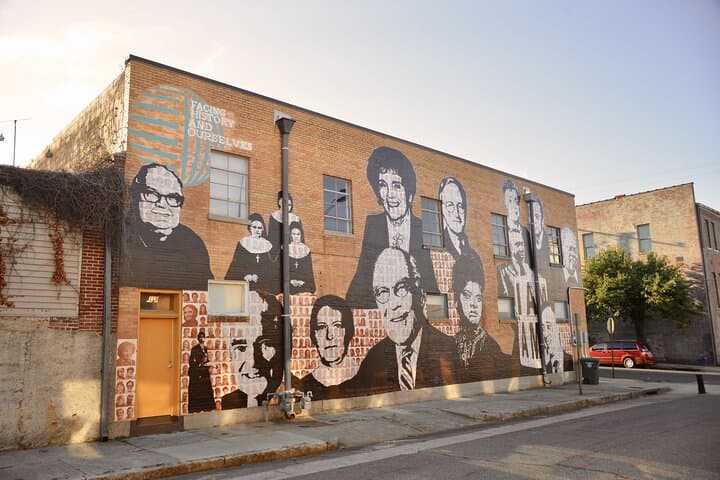
Expect stops outside the Orpheum, Blues Hall of Fame, Gus’s, and painted murals that mark protests and local heroes. The app times narration to GPS so stories play automatically as you arrive; you can pause for food or photos and resume.
Practical guidance: allow 60–120 minutes, wear comfortable shoes, and carry a charged phone and water. Downtown is wheelchair- and stroller-accessible; daytime is best for photos and safety. Keep respectful distance at memorial sites, and plan transit back to your hotel on one of the nearby bus or rideshare routes. This tour gives you context and control — history that listens when you do.
easy.
1–2 hours.
Suitable for most fitness levels; accustomed to walking on city sidewalks for up to two hours is sufficient
Download the WalknTours app, register, open the Memphis Civil Rights tour and enter experience code mlk1010 to unlock it.
Yes — downtown sidewalks on this route are wheelchair- and stroller-accessible, and the provider lists the experience as accessible.
The self-guided tour is designed to run 60–120 minutes depending on stops and time spent at each site.
Yes — the app is location-aware and you can stop for food or photos and resume narration when ready.
Memphis was both a cultural engine for blues and gospel and a battleground for civil rights; the 1968 sanitation strike brought national attention and Dr. Martin Luther King Jr. to the city.
Historic sites downtown are preserved through local museums and stewardship; visitors help by staying on sidewalks, not touching exhibits, and supporting local institutions.
WalknTours operates guided outdoor trips and adventures with an emphasis on safety, stewardship, and memorable experiences.

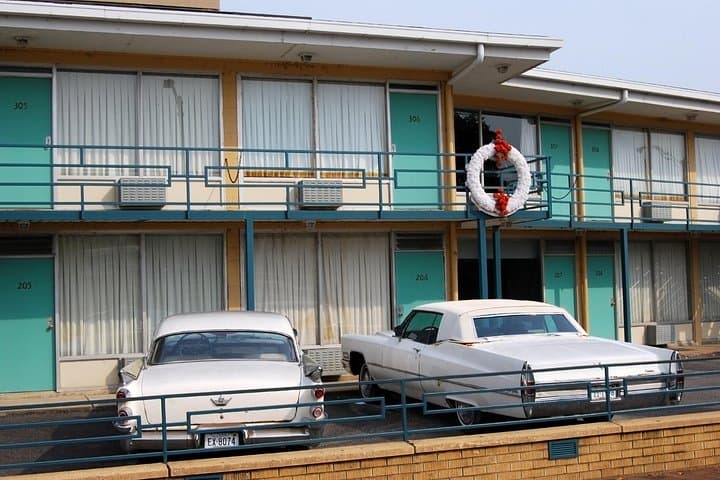
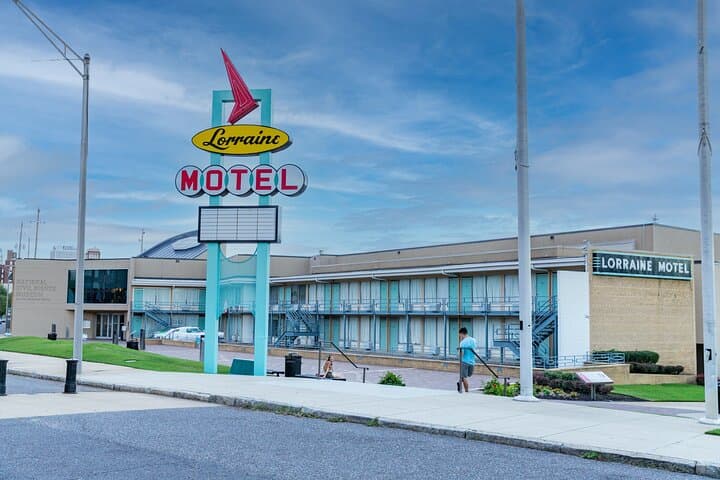
Step off Beale Street and the city opens like a record: the hum of traffic, distant river air, and a faint guitar thread that cues each stop. This self-guided smartphone walk moves at your pace between blues clubs, murals, and the Lorraine Motel balcony where the civil rights movement’s last chapter in Memphis was written.
Step off Beale Street and the city opens like a record: the hum of traffic, distant river air, and a faint guitar thread that cues each stop. This self-guided smartphone walk moves at your pace between blues clubs, murals, and the Lorraine Motel balcony where the civil rights movement’s last chapter in Memphis was written.
The route traces 20th-century history: Jim Crow-era segregation, sanitation workers’ strikes that drew Dr. Martin Luther King Jr., and the ways music both reflected and pushed social change. Geologically the tour sits on the low-lying banks above the Mississippi floodplain; streets are flat and easy underfoot, with brick sidewalks and occasional raised curbs. Culturally, Memphis is a city of crossroads — Black church organizing, union activism, and a music economy that mixed blues, gospel and early rock into a public language of protest.
Expect stops outside the Orpheum, Blues Hall of Fame, Gus’s, and painted murals that mark protests and local heroes. The app times narration to GPS so stories play automatically as you arrive; you can pause for food or photos and resume.
Practical guidance: allow 60–120 minutes, wear comfortable shoes, and carry a charged phone and water. Downtown is wheelchair- and stroller-accessible; daytime is best for photos and safety. Keep respectful distance at memorial sites, and plan transit back to your hotel on one of the nearby bus or rideshare routes. This tour gives you context and control — history that listens when you do.