THE ADVENTURE COLLECTIVE® · Independent discovery and booking for outdoor travel

A six‑hour cultural and archaeological day tour from Addis Ababa to Melka Kunture and the rock‑hewn Adadi Mariam church. Explore prehistoric sites, carved tuff architecture, and local history with private transport and a guide.
A six‑hour cultural and archaeological day tour from Addis Ababa to Melka Kunture and the rock‑hewn Adadi Mariam church. Explore prehistoric sites, carved tuff architecture, and local history with private transport and a guide.
Morning light thins over the rutted highland road as the van peels away from Addis Ababa and the landscape opens into ochre fields and low volcanic ridges. By the time you arrive at Melka Kunture, the air smells of dry grass; stone tools and fossil beds lie exposed where rivers have cut into ancient deposits, and the site reads like a patchwork of human beginnings.
Verified experiences and guided adventures in the surrounding area.
Operated by Ethio Target Tours · Addis Ababa, Addis Ababa
Morning light thins over the rutted highland road as the van peels away from Addis Ababa and the landscape opens into ochre fields and low volcanic ridges. By the time you arrive at Melka Kunture, the air smells of dry grass; stone tools and fossil beds lie exposed where rivers have cut into ancient deposits, and the site reads like a patchwork of human beginnings.
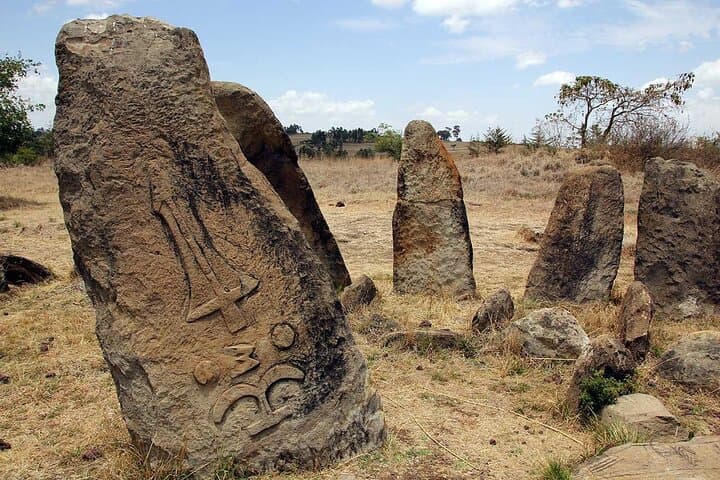
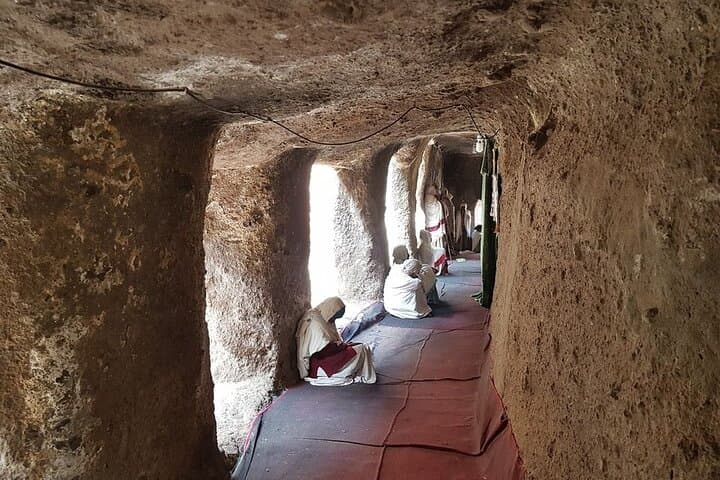
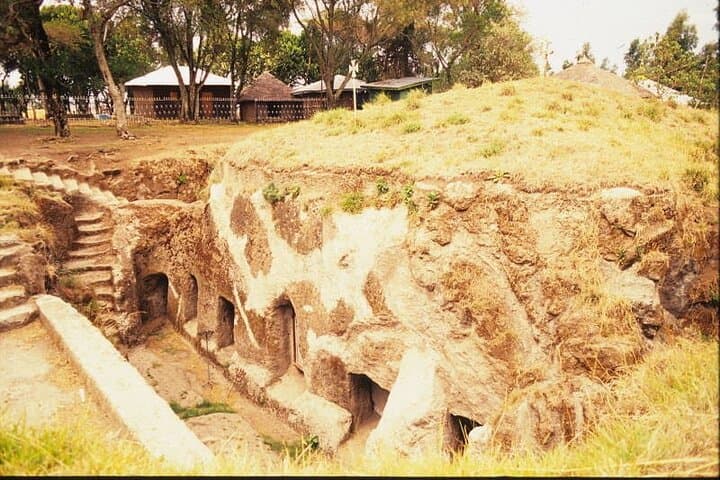
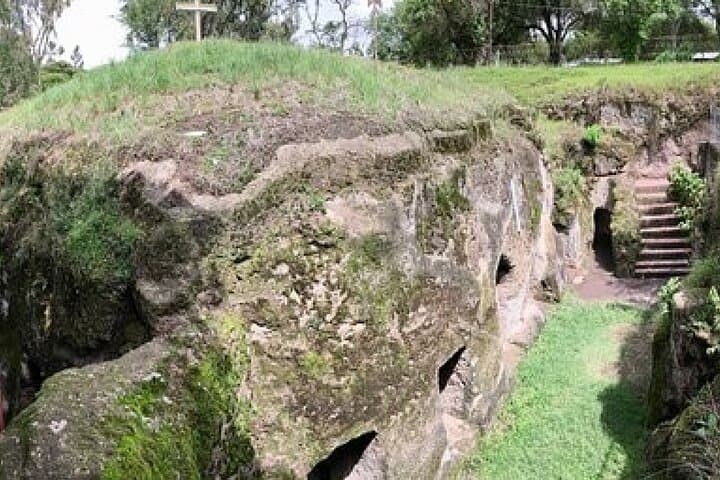
Melka Kunture is one of Ethiopia’s most significant prehistoric sites — occupations here span roughly 1.5–1.8 million years, yielding early stone tools and hominid remains that map our species’ deep past. A short drive away sits Adadi Mariam, a 12th–13th century rock‑hewn church often compared to Lalibela’s monoliths and thought by local tradition to date to King Lalibela’s era. Geology is visible everywhere: volcanic tuff carved into sanctuaries, riverine terraces holding fragile fossils, and stelae fields further south marking medieval burial grounds.
Expect guided, low‑impact walks, short access trails, and time in sheltered excavation displays. Local guides will point out lithic technologies and point to the carved church façade, then offer context on Oromo and Amhara cultural ties to the landscapes. Photographers will find sharp light and strong textures; birders can pick out raptors on thermals.
Practical notes: the tour runs about six hours with private transport and bottled water included; wear sturdy walking shoes, sun protection, and modest clothing for church visits. Bring cash for small donations or roadside snacks, and leave artifacts untouched — these sites are both fragile and protected. Aim for morning departures to avoid midday heat and to get the clearest light for both fossils and rock‑cut architecture.
easy.
6 hours.
Light walking on mostly flat or gently sloping terrain; suitable for most fitness levels
The tour is approximately six hours and includes private transport, a guide, bottled water, site admissions where noted, and fees and taxes.
The tour is family‑friendly with short walks; however, rock steps and uneven ground at sites may be difficult for those with significant mobility issues—wheelchair access is limited in some areas.
Instant confirmation is available but book ahead during peak season; full refunds are typically available if you cancel at least 24 hours prior to departure.
Meals are not included—pack snacks or plan to buy refreshments at local stops or back in Addis Ababa.
Melka Kunture preserves tools and fossils demonstrating intermittent human occupation from the Early Stone Age; Adadi Mariam is a 12th–13th century rock‑hewn church linked by local tradition to Lalibela.
Sites are archaeologically sensitive—avoid touching exposed fossils and stones, follow guide instructions, and support local conservation through small donations or responsible tourism.
Ethio Target Tours operates guided outdoor trips and adventures with an emphasis on safety, stewardship, and memorable experiences.
Morning light thins over the rutted highland road as the van peels away from Addis Ababa and the landscape opens into ochre fields and low volcanic ridges. By the time you arrive at Melka Kunture, the air smells of dry grass; stone tools and fossil beds lie exposed where rivers have cut into ancient deposits, and the site reads like a patchwork of human beginnings.
Morning light thins over the rutted highland road as the van peels away from Addis Ababa and the landscape opens into ochre fields and low volcanic ridges. By the time you arrive at Melka Kunture, the air smells of dry grass; stone tools and fossil beds lie exposed where rivers have cut into ancient deposits, and the site reads like a patchwork of human beginnings.
Melka Kunture is one of Ethiopia’s most significant prehistoric sites — occupations here span roughly 1.5–1.8 million years, yielding early stone tools and hominid remains that map our species’ deep past. A short drive away sits Adadi Mariam, a 12th–13th century rock‑hewn church often compared to Lalibela’s monoliths and thought by local tradition to date to King Lalibela’s era. Geology is visible everywhere: volcanic tuff carved into sanctuaries, riverine terraces holding fragile fossils, and stelae fields further south marking medieval burial grounds.
Expect guided, low‑impact walks, short access trails, and time in sheltered excavation displays. Local guides will point out lithic technologies and point to the carved church façade, then offer context on Oromo and Amhara cultural ties to the landscapes. Photographers will find sharp light and strong textures; birders can pick out raptors on thermals.
Practical notes: the tour runs about six hours with private transport and bottled water included; wear sturdy walking shoes, sun protection, and modest clothing for church visits. Bring cash for small donations or roadside snacks, and leave artifacts untouched — these sites are both fragile and protected. Aim for morning departures to avoid midday heat and to get the clearest light for both fossils and rock‑cut architecture.