THE ADVENTURE COLLECTIVE® · Independent discovery and booking for outdoor travel

Spend 90 minutes in a tropical meliponary just outside La Fortuna tasting monofloral honeys, meeting stingless bees, and learning how native pollinators support Costa Rica’s medicinal plants. This family-friendly tour blends natural history with hands-on conservation.
Spend 90 minutes in a tropical meliponary just outside La Fortuna tasting monofloral honeys, meeting stingless bees, and learning how native pollinators support Costa Rica’s medicinal plants. This family-friendly tour blends natural history with hands-on conservation.
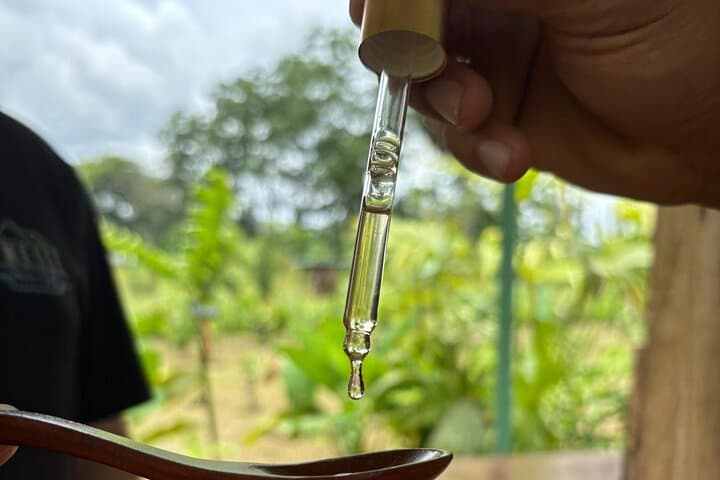
You step into a humid tropical garden twenty minutes from La Fortuna and the air is busy—the soft buzz of stingless bees threads through orchids and medicinal shrubs. Sunlight filters through broad leaves, landing on rows of wooden meliponary boxes where more than 45 hives pulse with activity. Guides move quietly; visitors taste glossy drops of monofloral and multifloral honey collected that morning, each flavor a map of the surrounding flora.
Verified experiences and guided adventures in the surrounding area.
Operated by Arenal Bee garden · La Fortuna, Alajuela
You step into a humid tropical garden twenty minutes from La Fortuna and the air is busy—the soft buzz of stingless bees threads through orchids and medicinal shrubs. Sunlight filters through broad leaves, landing on rows of wooden meliponary boxes where more than 45 hives pulse with activity. Guides move quietly; visitors taste glossy drops of monofloral and multifloral honey collected that morning, each flavor a map of the surrounding flora.
Meliponine bees are ancient pollinators of the Neotropics. Indigenous communities in Costa Rica prized their non-stinging hives and the dense, medicinal honey long before modern apiculture arrived. The Arenal region’s volcanic soils and stable humidity nurture the aromatic plants—mango, guava, and native medicinal herbs—that give each honey its distinct profile.
Alongside biology you’ll get cultural context: school groups often come here to learn hands-on conservation and small-scale sustainable livelihoods. Hummingbirds and butterflies thread the same corridors as the bees, and the guide will point out plants used for traditional remedies and the lifecycle of native bees.
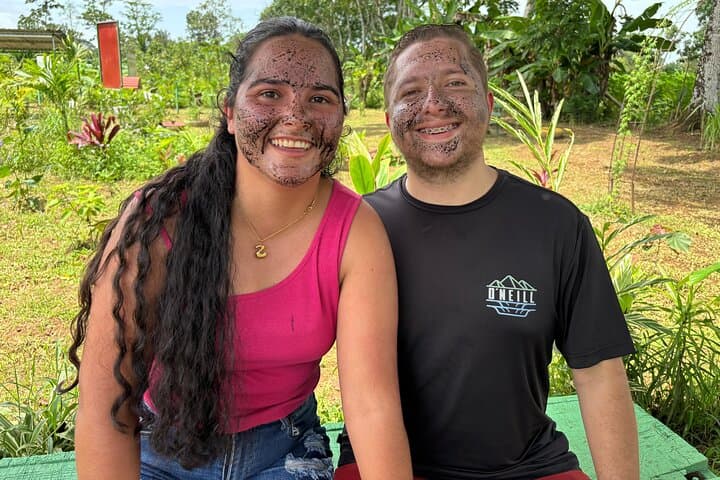
Practicalities are simple and family-friendly. The 90-minute experience is mostly flat garden walking with close-up observation rather than strenuous hiking—bring closed-toe shoes, sun and rain protection, and a reusable bottle. Cameras are welcome but keep movement slow near the hives. Expect tactile demos like a honey facial mask made from organic ingredients and tasting samples at each hive.
The tour is equal parts natural history and practical conservation: you leave with a clearer sense of how native bees shape tropical ecosystems and what small steps support them back home.
easy.
1.5 hours.
Suitable for most fitness levels; requires short, flat garden walks and standing during demonstrations.
Yes — the meliponarium uses stingless bees (meliponines) native to Costa Rica, and guides teach respectful observation techniques; allergic reactions are extremely rare.
Yes — the tour is family-friendly and frequently visited by schools; demonstrations are adapted for all ages with hands-off and hands-on options.
Yes — you sample several monofloral and multifloral honeys at the base of hives and may try a honey-based facial mask made from organic ingredients.
The site is about a 20-minute drive from La Fortuna town; many visitors arrive by taxi, rental car, or included transfers if offered by the operator.
Meliponine beekeeping has deep roots among Indigenous and rural communities in Costa Rica; stingless bees have been managed for centuries for food and medicine.
The activity emphasizes native-pollinator conservation and sustainable honey harvesting—supporting local meliponiculture helps protect habitat and promotes biodiversity.
Arenal Bee garden operates guided outdoor trips and adventures with an emphasis on safety, stewardship, and memorable experiences.
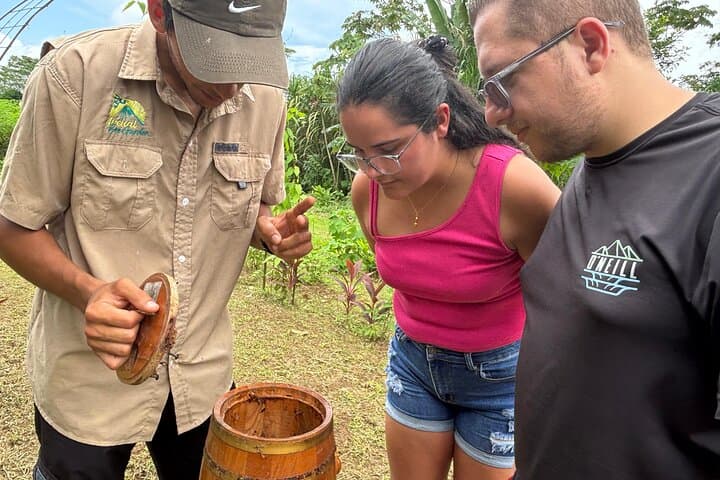
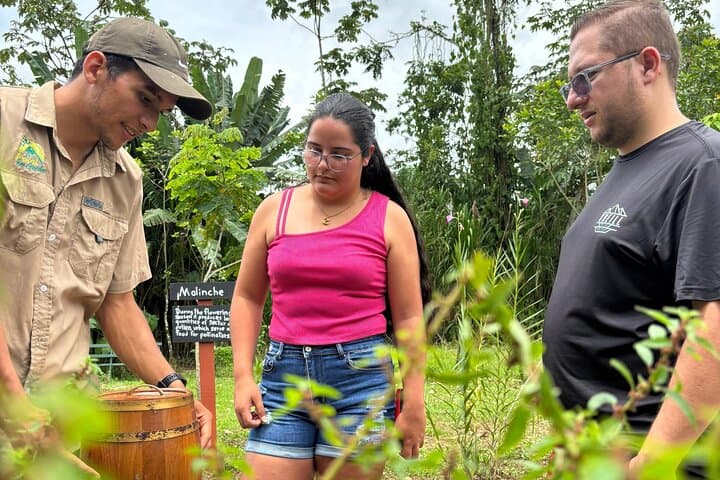
You step into a humid tropical garden twenty minutes from La Fortuna and the air is busy—the soft buzz of stingless bees threads through orchids and medicinal shrubs. Sunlight filters through broad leaves, landing on rows of wooden meliponary boxes where more than 45 hives pulse with activity. Guides move quietly; visitors taste glossy drops of monofloral and multifloral honey collected that morning, each flavor a map of the surrounding flora.
You step into a humid tropical garden twenty minutes from La Fortuna and the air is busy—the soft buzz of stingless bees threads through orchids and medicinal shrubs. Sunlight filters through broad leaves, landing on rows of wooden meliponary boxes where more than 45 hives pulse with activity. Guides move quietly; visitors taste glossy drops of monofloral and multifloral honey collected that morning, each flavor a map of the surrounding flora.
Meliponine bees are ancient pollinators of the Neotropics. Indigenous communities in Costa Rica prized their non-stinging hives and the dense, medicinal honey long before modern apiculture arrived. The Arenal region’s volcanic soils and stable humidity nurture the aromatic plants—mango, guava, and native medicinal herbs—that give each honey its distinct profile.
Alongside biology you’ll get cultural context: school groups often come here to learn hands-on conservation and small-scale sustainable livelihoods. Hummingbirds and butterflies thread the same corridors as the bees, and the guide will point out plants used for traditional remedies and the lifecycle of native bees.
Practicalities are simple and family-friendly. The 90-minute experience is mostly flat garden walking with close-up observation rather than strenuous hiking—bring closed-toe shoes, sun and rain protection, and a reusable bottle. Cameras are welcome but keep movement slow near the hives. Expect tactile demos like a honey facial mask made from organic ingredients and tasting samples at each hive.
The tour is equal parts natural history and practical conservation: you leave with a clearer sense of how native bees shape tropical ecosystems and what small steps support them back home.