THE ADVENTURE COLLECTIVE® · Independent discovery and booking for outdoor travel

Spend a full day exploring two of Crete’s most dramatic caves, wandering Rethymno’s historic streets, and tasting estate-pressed olive oil at a family mill. This private tour blends geology, local history, and Cretan culinary tradition in one accessible outing.
Spend a full day exploring two of Crete’s most dramatic caves, wandering Rethymno’s historic streets, and tasting estate-pressed olive oil at a family mill. This private tour blends geology, local history, and Cretan culinary tradition in one accessible outing.
You step out of a Mercedes van and the air shifts—cool, damp cave breath from the mountains before the sun-warmed alleys of Rethymno. The road climbs through scrub and olive terraces; limestone ribs and fissures hint at the subterranean chambers ahead. At Sfendoni, pools and curtains of calcite hang like slow waterfalls, drip by patient drip, while dimly lit passages demand careful footing.
Verified experiences and guided adventures in the surrounding area.
Operated by Tours in Heraklion · Rethymno, Crete
You step out of a Mercedes van and the air shifts—cool, damp cave breath from the mountains before the sun-warmed alleys of Rethymno. The road climbs through scrub and olive terraces; limestone ribs and fissures hint at the subterranean chambers ahead. At Sfendoni, pools and curtains of calcite hang like slow waterfalls, drip by patient drip, while dimly lit passages demand careful footing.
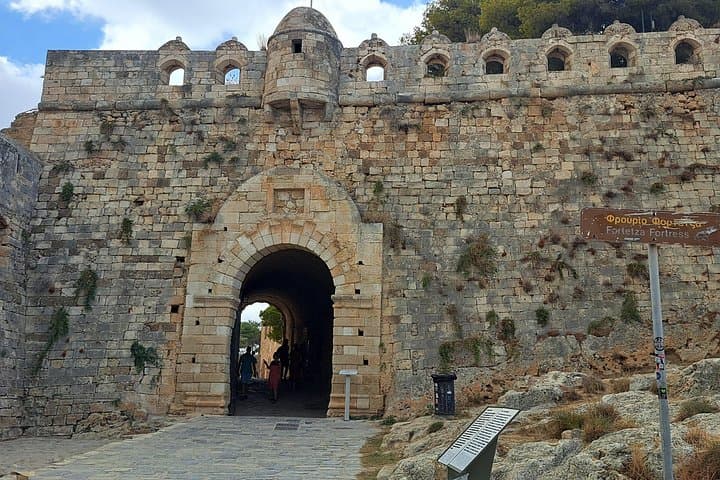
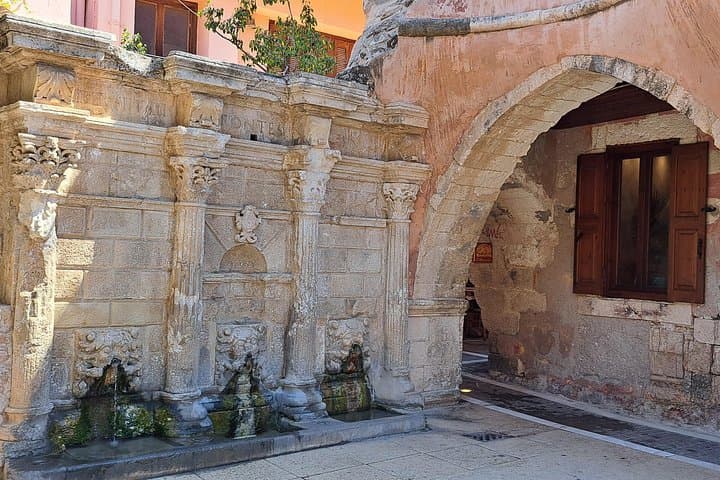
Geology here is classic Cretan karst: limestone folded and dissolved over millions of years to form caverns with stalactites, stalagmites, and flowstone. Melidoni carries a heavier human story—used as refuge and the site of the 1824 massacre during Ottoman reprisals—visitors still pass a memorial chamber that anchors the cave in local memory. Rethymno itself is a living layering of Minoan to Venetian to Ottoman influences; narrow stone streets, the Rimondi Fountain, and the Venetian fortress tell that architectural tale.
The day finishes with a visit to a family-run olive mill. Silvery-leaved groves and the scent of fresh oil make the island’s food culture tangible; tastings pair oil with bread, herbs, and sometimes raki.
Practical notes: expect a full 7–8 hour private tour with hotel pickup, moderate walking on uneven cave floors and staircases, and short town strolls. Wear sturdy shoes, bring a reusable water bottle, and dress in layers—the caves are cool year-round. Respect cave rules (no touching formations) and take photos without flash when requested to preserve delicate geology.
easy.
7–8 hours.
Suitable for most fitness levels; requires walking on uneven surfaces and stairs but no technical exertion.
The private tour runs about 7–8 hours and typically includes pickup/drop-off, driver-guide, cave admissions, olive mill visit and tastings, and bottled water/coffee as noted.
Caves have steps and uneven paths; children can join but supervision is needed. The tour is labeled physically easy but is not fully wheelchair accessible.
Photography is usually allowed but flash may be restricted to protect formations; follow the guide’s instructions.
Yes—tasting typically includes extra virgin olive oil with bread and sometimes local accompaniments like herbs, honey, or raki depending on the mill.
Melidoni Cave is known both for its limestone formations and for the 1824 massacre when locals sought refuge there; Rethymno’s streets reflect Venetian and Ottoman eras.
Caves are fragile—avoid touching formations and follow guidance on lighting and paths; supporting family mills helps sustain traditional agriculture.
Tours in Heraklion operates guided outdoor trips and adventures with an emphasis on safety, stewardship, and memorable experiences.

You step out of a Mercedes van and the air shifts—cool, damp cave breath from the mountains before the sun-warmed alleys of Rethymno. The road climbs through scrub and olive terraces; limestone ribs and fissures hint at the subterranean chambers ahead. At Sfendoni, pools and curtains of calcite hang like slow waterfalls, drip by patient drip, while dimly lit passages demand careful footing.
You step out of a Mercedes van and the air shifts—cool, damp cave breath from the mountains before the sun-warmed alleys of Rethymno. The road climbs through scrub and olive terraces; limestone ribs and fissures hint at the subterranean chambers ahead. At Sfendoni, pools and curtains of calcite hang like slow waterfalls, drip by patient drip, while dimly lit passages demand careful footing.
Geology here is classic Cretan karst: limestone folded and dissolved over millions of years to form caverns with stalactites, stalagmites, and flowstone. Melidoni carries a heavier human story—used as refuge and the site of the 1824 massacre during Ottoman reprisals—visitors still pass a memorial chamber that anchors the cave in local memory. Rethymno itself is a living layering of Minoan to Venetian to Ottoman influences; narrow stone streets, the Rimondi Fountain, and the Venetian fortress tell that architectural tale.
The day finishes with a visit to a family-run olive mill. Silvery-leaved groves and the scent of fresh oil make the island’s food culture tangible; tastings pair oil with bread, herbs, and sometimes raki.
Practical notes: expect a full 7–8 hour private tour with hotel pickup, moderate walking on uneven cave floors and staircases, and short town strolls. Wear sturdy shoes, bring a reusable water bottle, and dress in layers—the caves are cool year-round. Respect cave rules (no touching formations) and take photos without flash when requested to preserve delicate geology.