THE ADVENTURE COLLECTIVE® · Independent discovery and booking for outdoor travel

Wander paved paths beneath eucalypts and watch penguins slice underwater at Melbourne Zoo, Australia’s oldest public zoo. Learn where to go, when animals are most active, and what practical gear and timing make a visit smooth and memorable.
Wander paved paths beneath eucalypts and watch penguins slice underwater at Melbourne Zoo, Australia’s oldest public zoo. Learn where to go, when animals are most active, and what practical gear and timing make a visit smooth and memorable.
Early morning light filters through eucalypts along the wide paths of Royal Park as the city hums beyond the treelines. At Melbourne Zoo the air carries the quiet confidence of animals settling into their day: penguins dart under the water daring you to keep up, giraffes lift their heads like slow-moving lighthouses, and orangutans move through elevated platforms with deliberate curiosity.
Verified experiences and guided adventures in the surrounding area.
Operated by Zoos Victoria · Melbourne, Victoria
Early morning light filters through eucalypts along the wide paths of Royal Park as the city hums beyond the treelines. At Melbourne Zoo the air carries the quiet confidence of animals settling into their day: penguins dart under the water daring you to keep up, giraffes lift their heads like slow-moving lighthouses, and orangutans move through elevated platforms with deliberate curiosity.
Founded in 1862, Melbourne Zoo is Victoria’s oldest zoological collection and sits on the flat basalt plains that define much of inner Melbourne. Over generations the site has shifted from Victorian-era menageries to modern, open-air exhibits that reflect changing ideas about animal care and conservation. The Zoo is woven into Melbourne’s culture of green space and public education—keeper talks and themed exhibits emphasize species protection as much as spectacle.
Expect varied terrain: paved promenades, raised boardwalks through the Asian and African rainforest exhibits, and viewing platforms at the Trail of the Elephants. The layout invites a looped exploration—start at the elephants or penguins and let the paths guide you past primates, hoofstock and Australian Bush displays. Mornings and late afternoons are best for animal activity; midday can be warm and quieter.
Practical guidance: plan 2–4 hours for a focused visit or up to a full day if you want talks and feeding sessions. Tickets are mobile-friendly; the site is wheelchair- and stroller-accessible. Bring sun protection, a refillable bottle, comfortable shoes, and a lightweight rain layer in changeable weather. Public transport drops you nearby, and on-site cafes cover basic meals. Keep an eye on keeper talk schedules to catch close-up learning moments that bring the animals—and their conservation stories—closer.
easy.
2–8 hours.
Suitable for all fitness levels; expect several hours of walking on paved and boardwalk surfaces
Yes—mobile or paper tickets are accepted; book online to save time at entry.
Yes—the site is wheelchair- and stroller-accessible with paved paths and accessible viewing areas.
Outside food is generally permitted in visitor areas; there are also on-site cafes and picnic-friendly spots.
Most visitors spend 2–4 hours; reserve a full day if you want to attend multiple talks and eat on-site.
Established in 1862, Melbourne Zoo evolved from 19th-century collections into modern conservation-focused exhibits and education programs.
Operated by Zoos Victoria, the Zoo participates in native-species conservation, breeding programs and public education to reduce threats to wildlife.
Zoos Victoria operates guided outdoor trips and adventures with an emphasis on safety, stewardship, and memorable experiences.
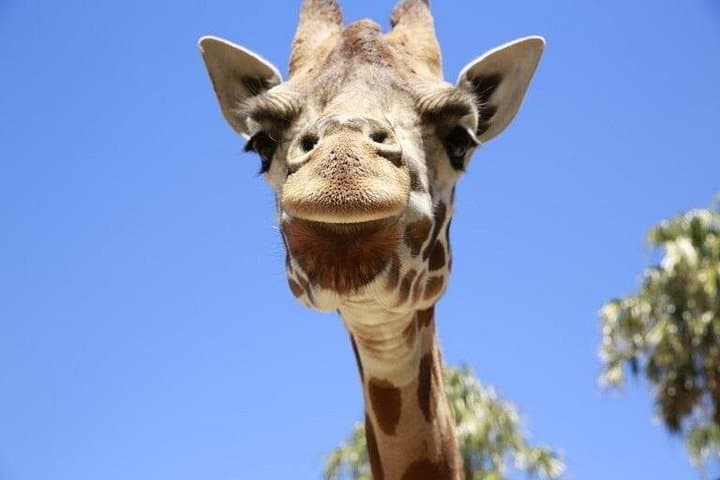
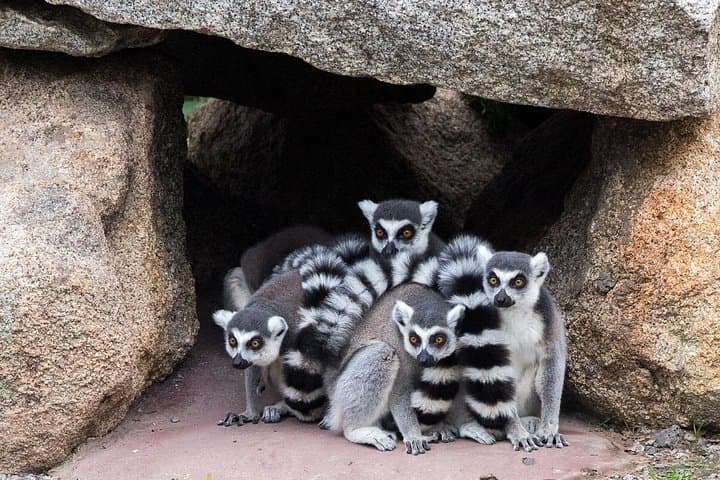
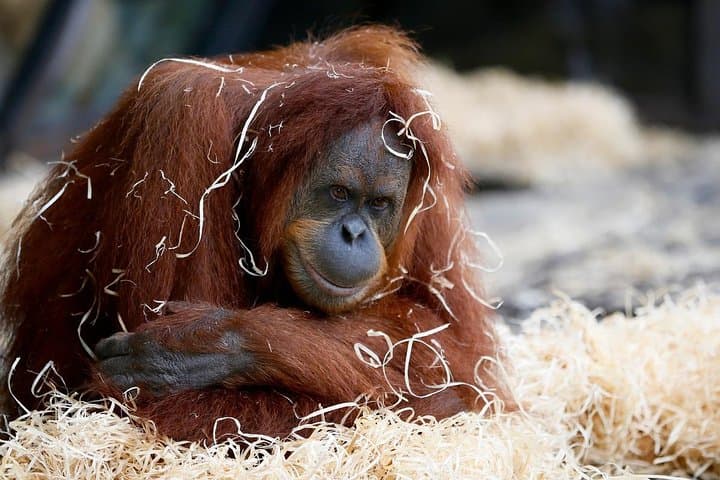
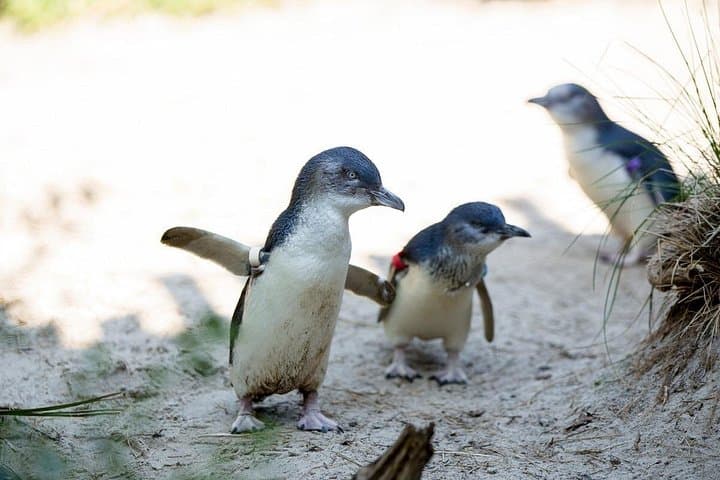
Early morning light filters through eucalypts along the wide paths of Royal Park as the city hums beyond the treelines. At Melbourne Zoo the air carries the quiet confidence of animals settling into their day: penguins dart under the water daring you to keep up, giraffes lift their heads like slow-moving lighthouses, and orangutans move through elevated platforms with deliberate curiosity.
Early morning light filters through eucalypts along the wide paths of Royal Park as the city hums beyond the treelines. At Melbourne Zoo the air carries the quiet confidence of animals settling into their day: penguins dart under the water daring you to keep up, giraffes lift their heads like slow-moving lighthouses, and orangutans move through elevated platforms with deliberate curiosity.
Founded in 1862, Melbourne Zoo is Victoria’s oldest zoological collection and sits on the flat basalt plains that define much of inner Melbourne. Over generations the site has shifted from Victorian-era menageries to modern, open-air exhibits that reflect changing ideas about animal care and conservation. The Zoo is woven into Melbourne’s culture of green space and public education—keeper talks and themed exhibits emphasize species protection as much as spectacle.
Expect varied terrain: paved promenades, raised boardwalks through the Asian and African rainforest exhibits, and viewing platforms at the Trail of the Elephants. The layout invites a looped exploration—start at the elephants or penguins and let the paths guide you past primates, hoofstock and Australian Bush displays. Mornings and late afternoons are best for animal activity; midday can be warm and quieter.
Practical guidance: plan 2–4 hours for a focused visit or up to a full day if you want talks and feeding sessions. Tickets are mobile-friendly; the site is wheelchair- and stroller-accessible. Bring sun protection, a refillable bottle, comfortable shoes, and a lightweight rain layer in changeable weather. Public transport drops you nearby, and on-site cafes cover basic meals. Keep an eye on keeper talk schedules to catch close-up learning moments that bring the animals—and their conservation stories—closer.