THE ADVENTURE COLLECTIVE® · Independent discovery and booking for outdoor travel

Walk the Yarra from leafy parkland to heritage art precinct: a 3–4 hour small-group tour that blends riverside nature, Indigenous history at Dights Falls, a flying fox colony, and a guided visit to the Abbotsford Convent.
Walk the Yarra from leafy parkland to heritage art precinct: a 3–4 hour small-group tour that blends riverside nature, Indigenous history at Dights Falls, a flying fox colony, and a guided visit to the Abbotsford Convent.
A morning on the Yarra feels like stepping into a quieter side of Melbourne — the river threads silver under city light while gum trees lean in to whisper. The trail begins in Yarra Bend Park, where scrubby ridgelines and river flats create quick contrasts: exposed rock and shaded gullies, open views of the skyline and pockets of thick native understorey. As you move downstream the air changes — the river grabs your attention, nudging you toward Dights Falls and the old weir rockwork that bears long human history.
Verified experiences and guided adventures in the surrounding area.
Operated by Yarra Bend Tours · Abbotsford, Victoria
A morning on the Yarra feels like stepping into a quieter side of Melbourne — the river threads silver under city light while gum trees lean in to whisper. The trail begins in Yarra Bend Park, where scrubby ridgelines and river flats create quick contrasts: exposed rock and shaded gullies, open views of the skyline and pockets of thick native understorey. As you move downstream the air changes — the river grabs your attention, nudging you toward Dights Falls and the old weir rockwork that bears long human history.
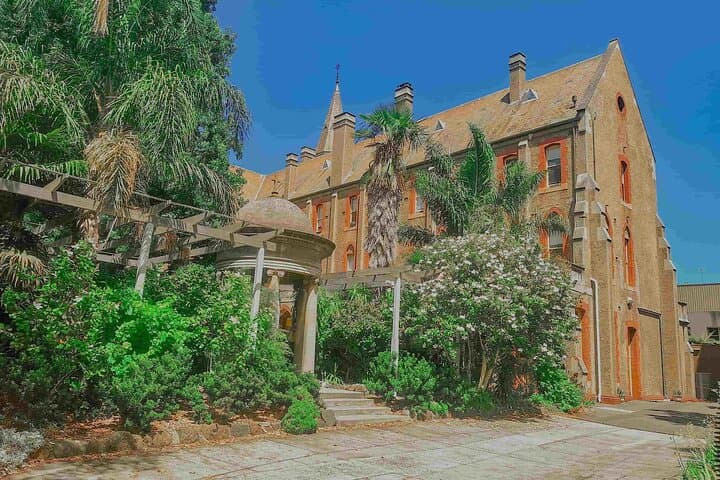
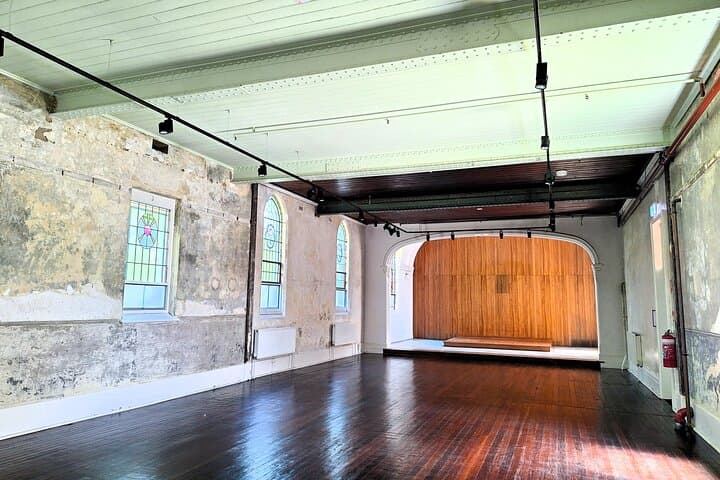
This walk ties natural history to cultural history. Dights Falls is a meeting place for the Wurundjeri people of the Kulin Nation; the Abbotsford Convent, a 19th-century religious complex turned arts precinct, outlines Melbourne’s industrial-to-cultural evolution. Geologically the corridor follows the Yarra’s alluvial terraces and basalt outcrops; ecologically it supports riparian forest and one of Australia’s largest urban colonies of grey-headed flying foxes.
Practically, expect 3–4 hours of gentle walking on uneven paths, short stairs and boardwalks. The tour includes a guided Convent visit, cake and a hot drink, plus basic shelter (poncho) and first aid. Bring sturdy shoes, at least 1 litre water, sun protection and a lightweight layer — Melbourne’s weather can flip quickly. Dusk is when the flying foxes are most active; respect wildlife and keep noise low. The route suits most walkers but isn’t recommended for those with very limited mobility. Small-group guiding keeps the experience personal and informative, so you’ll leave with a clearer sense of Melbourne’s riverine edge — its wildlife that dares you to watch, its stories, and its resilient green spaces.
easy.
3–4 hours.
Suitable for most people who can walk 2–2.5 hours on uneven terrain; basic fitness and stable balance recommended.
The tour runs 3–4 hours and is rated easy; expect 2–2.5 hours of walking on mostly flat but uneven trails with some stairs.
Taxi pickup/drop-off is offered as part of the tour; public transit to Abbotsford is also straightforward from Melbourne CBD by tram or train plus a short walk.
Yes — the route passes one of the city’s large colonies. You’ll often observe them at dusk leaving the roost; they’re protected and should not be handled or disturbed.
The tour is suitable for most fitness levels but not recommended for those with significant mobility limitations due to uneven paths and steps.
Dights Falls and the Yarra corridor have long been important to the Wurundjeri people; the Abbotsford Convent dates to the 19th century and was repurposed as a cultural hub after heritage listing.
The flying fox colony is protected and important for pollination; visitors are asked to minimize disturbance and stick to signed paths to protect riparian vegetation.
Yarra Bend Tours operates guided outdoor trips and adventures with an emphasis on safety, stewardship, and memorable experiences.
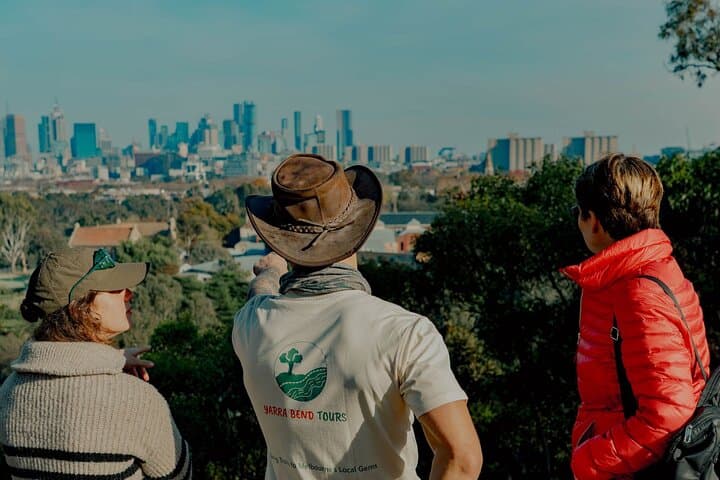
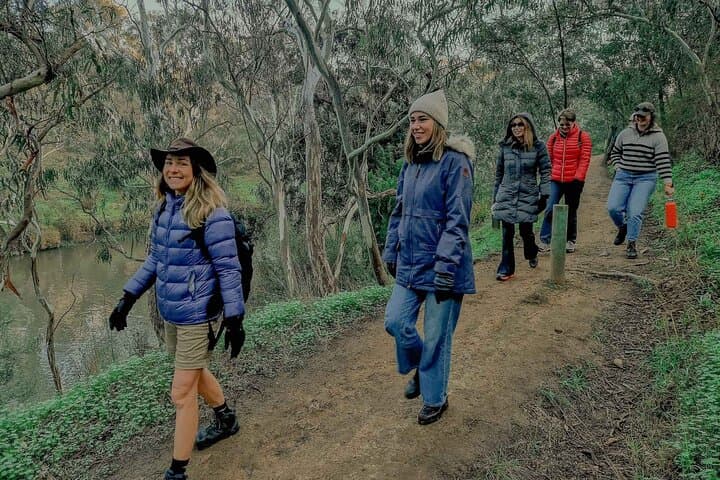
A morning on the Yarra feels like stepping into a quieter side of Melbourne — the river threads silver under city light while gum trees lean in to whisper. The trail begins in Yarra Bend Park, where scrubby ridgelines and river flats create quick contrasts: exposed rock and shaded gullies, open views of the skyline and pockets of thick native understorey. As you move downstream the air changes — the river grabs your attention, nudging you toward Dights Falls and the old weir rockwork that bears long human history.
A morning on the Yarra feels like stepping into a quieter side of Melbourne — the river threads silver under city light while gum trees lean in to whisper. The trail begins in Yarra Bend Park, where scrubby ridgelines and river flats create quick contrasts: exposed rock and shaded gullies, open views of the skyline and pockets of thick native understorey. As you move downstream the air changes — the river grabs your attention, nudging you toward Dights Falls and the old weir rockwork that bears long human history.
This walk ties natural history to cultural history. Dights Falls is a meeting place for the Wurundjeri people of the Kulin Nation; the Abbotsford Convent, a 19th-century religious complex turned arts precinct, outlines Melbourne’s industrial-to-cultural evolution. Geologically the corridor follows the Yarra’s alluvial terraces and basalt outcrops; ecologically it supports riparian forest and one of Australia’s largest urban colonies of grey-headed flying foxes.
Practically, expect 3–4 hours of gentle walking on uneven paths, short stairs and boardwalks. The tour includes a guided Convent visit, cake and a hot drink, plus basic shelter (poncho) and first aid. Bring sturdy shoes, at least 1 litre water, sun protection and a lightweight layer — Melbourne’s weather can flip quickly. Dusk is when the flying foxes are most active; respect wildlife and keep noise low. The route suits most walkers but isn’t recommended for those with very limited mobility. Small-group guiding keeps the experience personal and informative, so you’ll leave with a clearer sense of Melbourne’s riverine edge — its wildlife that dares you to watch, its stories, and its resilient green spaces.