THE ADVENTURE COLLECTIVE® · Independent discovery and booking for outdoor travel

Sweep a metal detector across St Kilda's sand and listen for pings that trace Melbourne's seaside past. This guided introductory hunt teaches equipment use, times you with the tides and promises at least one take-home find.
Sweep a metal detector across St Kilda's sand and listen for pings that trace Melbourne's seaside past. This guided introductory hunt teaches equipment use, times you with the tides and promises at least one take-home find.
The detector's coil sweeps low over a flat ribbon of sand as gulls wheel above St Kilda's shoreline. Salt and seaweed tang ride the breeze; each audible ping promises a small story—button, coin, scrap of a past summer—while the bay itself seems to nudge you toward discovery.
Verified experiences and guided adventures in the surrounding area.
Operated by 69 Tours · Melbourne, Victoria
The detector's coil sweeps low over a flat ribbon of sand as gulls wheel above St Kilda's shoreline. Salt and seaweed tang ride the breeze; each audible ping promises a small story—button, coin, scrap of a past summer—while the bay itself seems to nudge you toward discovery.
St Kilda sits on the western edge of Port Phillip Bay, a sandy spit formed by marine sediments and river outwash. The beach grew into Melbourne's working and pleasure waterfront through the 19th and 20th centuries, so finds here can range from George-era coins to mid-century curios left from seaside picnics. The local culture is informal and social: cafés on Acland Street, the pier's daytrippers, and regular evening walkers set the scene for a modern-day fossick.
This introductory treasure-hunting experience pairs hands-on instruction with a supervised hunt. Expect a short workshop on detector settings and probing technique, followed by guided sweeps across beach and foreshore. Tidal timing matters—low tide exposes more clean sand and relics washed from the shallows. The operator provides equipment, private transport, and a guide; a child-friendly daytime option runs on gentler terrain while an adult, midnight hunt pushes into darker, more challenging stretches.
Practical tips: wear sturdy closed-toe shoes and layers for coastal wind, bring a small digging tool and a pouch for finds, and carry water. Respect local regulations—return significant archaeological finds to authorities and avoid disturbing nesting areas in season. Whether you're after a first coin or an evening of paced, instructive exploration, this tour gives you the tools and context to leave with both stories and tangible keepsakes.
easy.
2 hours.
Suitable for most fitness levels — mostly walking on flat sand; some bending and light digging required
You can usually keep modern items and common lost property, but historically significant finds must be reported to local authorities—your guide will advise on legalities.
Detecting is commonly practiced on public beaches, but specific rules apply—avoid protected areas and follow your guide's instructions about sensitive zones.
Yes — there is a child-friendly daytime option with gentler terrain and instruction tailored for younger participants.
The adult option runs after dark at a more challenging location; expect cooler temperatures, the need for headlamps, and a focus on deeper or less disturbed sands.
St Kilda developed as a seaside suburb in the 19th century; its beaches and piers attracted working-class and leisure visitors, leaving a patchwork of lost items and remnants for modern fossickers.
Detecting should follow leave-no-trace principles—fill holes, remove litter, and report any significant archaeological material to protect heritage sites.
69 Tours operates guided outdoor trips and adventures with an emphasis on safety, stewardship, and memorable experiences.
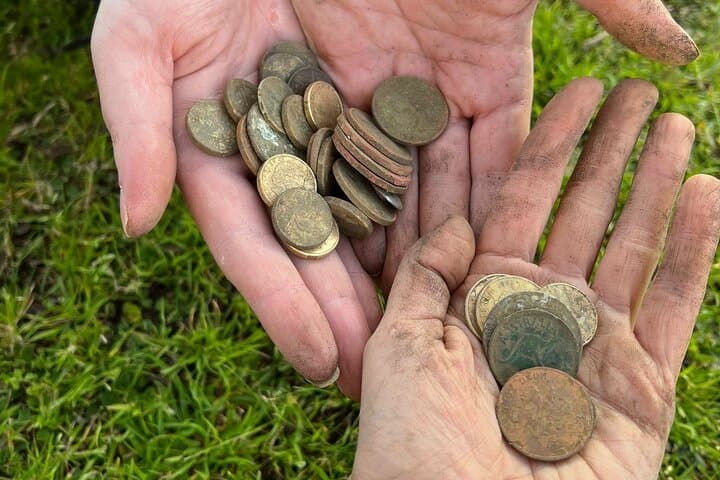
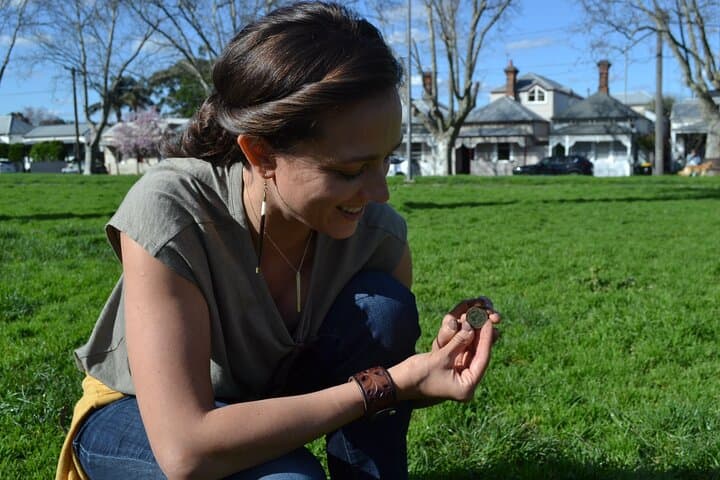
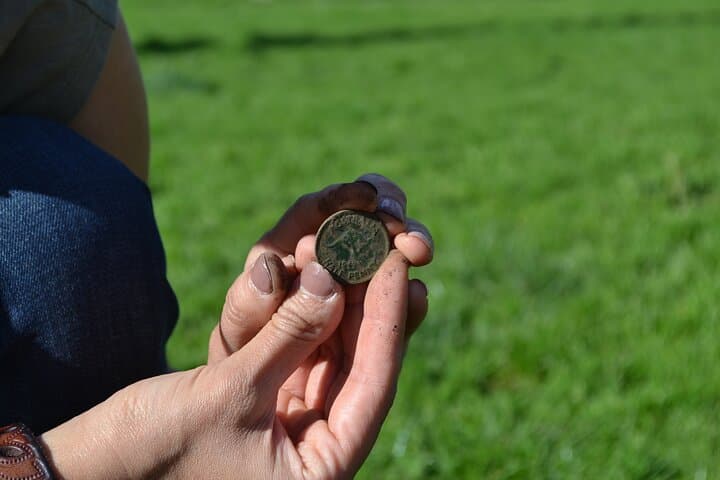
The detector's coil sweeps low over a flat ribbon of sand as gulls wheel above St Kilda's shoreline. Salt and seaweed tang ride the breeze; each audible ping promises a small story—button, coin, scrap of a past summer—while the bay itself seems to nudge you toward discovery.
The detector's coil sweeps low over a flat ribbon of sand as gulls wheel above St Kilda's shoreline. Salt and seaweed tang ride the breeze; each audible ping promises a small story—button, coin, scrap of a past summer—while the bay itself seems to nudge you toward discovery.
St Kilda sits on the western edge of Port Phillip Bay, a sandy spit formed by marine sediments and river outwash. The beach grew into Melbourne's working and pleasure waterfront through the 19th and 20th centuries, so finds here can range from George-era coins to mid-century curios left from seaside picnics. The local culture is informal and social: cafés on Acland Street, the pier's daytrippers, and regular evening walkers set the scene for a modern-day fossick.
This introductory treasure-hunting experience pairs hands-on instruction with a supervised hunt. Expect a short workshop on detector settings and probing technique, followed by guided sweeps across beach and foreshore. Tidal timing matters—low tide exposes more clean sand and relics washed from the shallows. The operator provides equipment, private transport, and a guide; a child-friendly daytime option runs on gentler terrain while an adult, midnight hunt pushes into darker, more challenging stretches.
Practical tips: wear sturdy closed-toe shoes and layers for coastal wind, bring a small digging tool and a pouch for finds, and carry water. Respect local regulations—return significant archaeological finds to authorities and avoid disturbing nesting areas in season. Whether you're after a first coin or an evening of paced, instructive exploration, this tour gives you the tools and context to leave with both stories and tangible keepsakes.