THE ADVENTURE COLLECTIVE® · Independent discovery and booking for outdoor travel

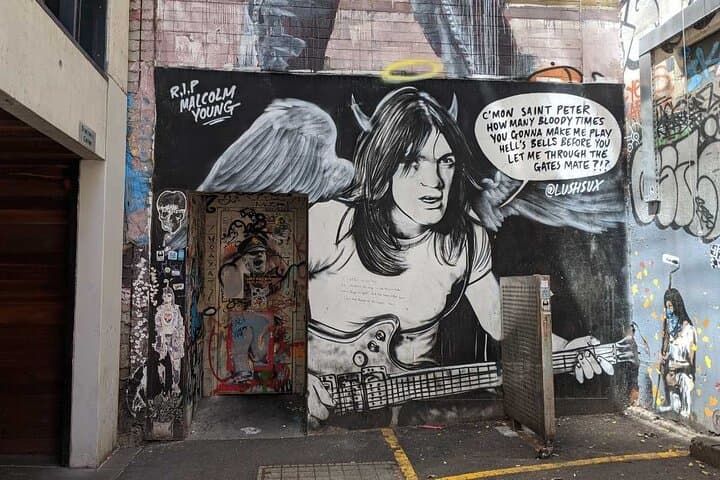
Explore Melbourne’s iconic laneways with a mobile-driven story game that pairs street art with puzzle challenges. This self-guided route leads you through AC/DC Lane, Meyers Place and heritage-listed murals while testing your powers of observation.
Explore Melbourne’s iconic laneways with a mobile-driven story game that pairs street art with puzzle challenges. This self-guided route leads you through AC/DC Lane, Meyers Place and heritage-listed murals while testing your powers of observation.
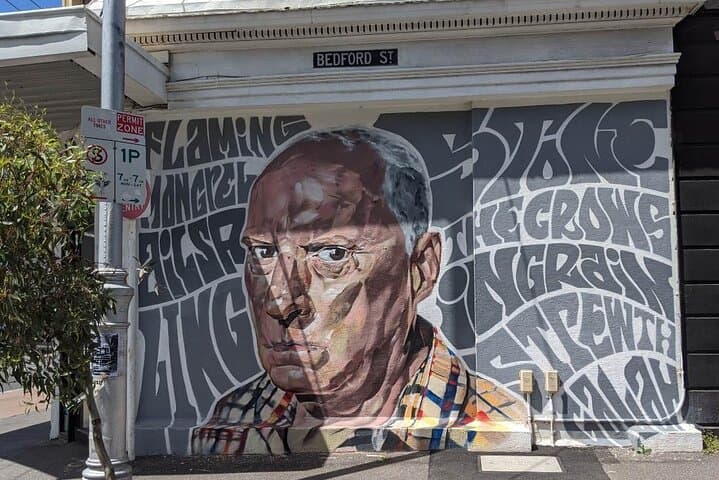
You step from the rain-slicked main street into a spool of alleys where paint climbs brickwork and neon bounces off puddles. The city narrows to a human scale: overhead signs, the hiss of trams, and a mural that seems to lean in and speak. As a self-guided quest, this walk turns Melbourne’s laneways into a playable map — clues woven into AC/DC Lane, Meyers Place and the quieter cut-throughs near Parliament Gardens.
Verified experiences and guided adventures in the surrounding area.
Operated by Questo · Melbourne, Victoria
You step from the rain-slicked main street into a spool of alleys where paint climbs brickwork and neon bounces off puddles. The city narrows to a human scale: overhead signs, the hiss of trams, and a mural that seems to lean in and speak. As a self-guided quest, this walk turns Melbourne’s laneways into a playable map — clues woven into AC/DC Lane, Meyers Place and the quieter cut-throughs near Parliament Gardens.
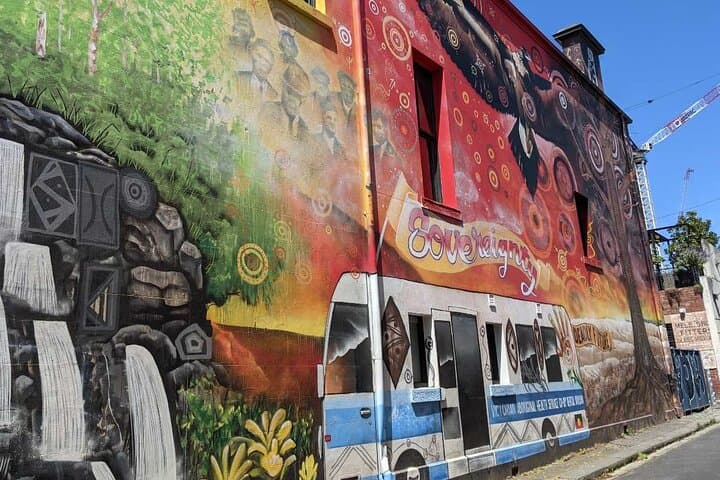
Melbourne’s lanes were once service ways and horse tracks paved in bluestone; over the past few decades they’ve become an urban canvas shaped by local paste-ups, commissioned murals and a lively street culture. The route threads contemporary artists like RONE with older works, and even a Haring mural that’s on the Victorian Heritage Register — an unusual layer of preservation in a place known for constant repainting.
Expect a mix of textured surfaces: bluestone paths, brick façades and occasional stainless-steel public art like Coles Fountain. The game leans on observation and mobile navigation rather than physical endurance, but it rewards attention — small stencils, text fragments and rooftop pieces often hold the next clue.
Practically: charge your phone, bring a small power bank, and wear comfortable shoes for uneven paving and short stair sets. Travel early in the morning to avoid crowds and to see paint under cleaner light; evenings offer neon and music from nearby bars but can be busier. Respect private property and ongoing live pieces — photograph and interpret, don’t touch. With a charged device and an open eye, this urban story game is a tight, playful way to learn how Melbourne’s past service lanes became a living, argumentative gallery.
easy.
1–2 hours.
Suitable for most fitness levels; involves light walking and standing for up to 90 minutes.
The activity is designed for about 75 minutes, though you can pause and extend the route to explore nearby laneways and cafés.
Yes—it's family-friendly and stroller-accessible, but younger children may need help reading clues and navigating busy streets.
No guide is required; the experience is self-guided via a mobile access code that unlocks the puzzles and route.
The game is playable in light rain; bring waterproof layers. Heavy rain may make some surfaces slippery and affect visibility of some artworks.
Melbourne’s laneways began as 19th-century service routes paved in bluestone; over time they evolved into intentional public art corridors with both sanctioned murals and guerrilla pieces.
The city balances creative expression with preservation through programs like ‘Green Your Laneways’ and selective heritage listing; visitors should avoid touching artworks and report damage to local councils.
Questo operates guided outdoor trips and adventures with an emphasis on safety, stewardship, and memorable experiences.
You step from the rain-slicked main street into a spool of alleys where paint climbs brickwork and neon bounces off puddles. The city narrows to a human scale: overhead signs, the hiss of trams, and a mural that seems to lean in and speak. As a self-guided quest, this walk turns Melbourne’s laneways into a playable map — clues woven into AC/DC Lane, Meyers Place and the quieter cut-throughs near Parliament Gardens.
You step from the rain-slicked main street into a spool of alleys where paint climbs brickwork and neon bounces off puddles. The city narrows to a human scale: overhead signs, the hiss of trams, and a mural that seems to lean in and speak. As a self-guided quest, this walk turns Melbourne’s laneways into a playable map — clues woven into AC/DC Lane, Meyers Place and the quieter cut-throughs near Parliament Gardens.
Melbourne’s lanes were once service ways and horse tracks paved in bluestone; over the past few decades they’ve become an urban canvas shaped by local paste-ups, commissioned murals and a lively street culture. The route threads contemporary artists like RONE with older works, and even a Haring mural that’s on the Victorian Heritage Register — an unusual layer of preservation in a place known for constant repainting.
Expect a mix of textured surfaces: bluestone paths, brick façades and occasional stainless-steel public art like Coles Fountain. The game leans on observation and mobile navigation rather than physical endurance, but it rewards attention — small stencils, text fragments and rooftop pieces often hold the next clue.
Practically: charge your phone, bring a small power bank, and wear comfortable shoes for uneven paving and short stair sets. Travel early in the morning to avoid crowds and to see paint under cleaner light; evenings offer neon and music from nearby bars but can be busier. Respect private property and ongoing live pieces — photograph and interpret, don’t touch. With a charged device and an open eye, this urban story game is a tight, playful way to learn how Melbourne’s past service lanes became a living, argumentative gallery.