THE ADVENTURE COLLECTIVE® · Independent discovery and booking for outdoor travel

Solve a detective case as you walk from the State Library to Flinders Street — a self-guided urban escape that blends Melbourne history, laneway culture and puzzle-solving. Expect about 2–2.5 hours of paced walking with frequent stops to examine clues.
Solve a detective case as you walk from the State Library to Flinders Street — a self-guided urban escape that blends Melbourne history, laneway culture and puzzle-solving. Expect about 2–2.5 hours of paced walking with frequent stops to examine clues.
A team assembles at the stone steps of the State Library of Victoria, case file in hand and a map that points toward fluted facades, hidden plaques and crowded laneways. The city hums around them: tram bells, the Yarra daring you to cross its promenades, and street art that interrupts the office drone with bright, blunt questions.
Verified experiences and guided adventures in the surrounding area.
Operated by Experios · Melbourne, Victoria
A team assembles at the stone steps of the State Library of Victoria, case file in hand and a map that points toward fluted facades, hidden plaques and crowded laneways. The city hums around them: tram bells, the Yarra daring you to cross its promenades, and street art that interrupts the office drone with bright, blunt questions.
The route threads through central Melbourne, a compact grid shaped by nineteenth‑century planning and early twentieth‑century civic buildings. Participants trace a sequence of public squares, arcades and riverfront views that reflect the city’s colonial growth and the adaptive reuse of laneways into cafés and murals. Geology is subtle here — a flat basalt plain underfoot — while culture is loud: Federation-era architecture, Indigenous place names, and the exchange of ideas in public libraries and railway concourses.
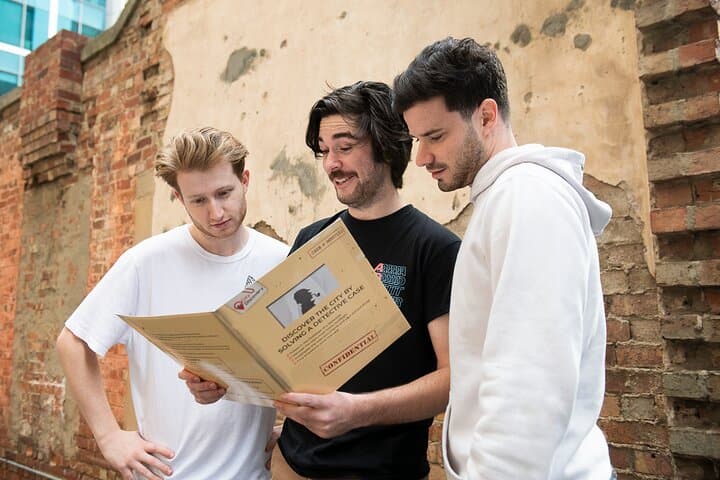
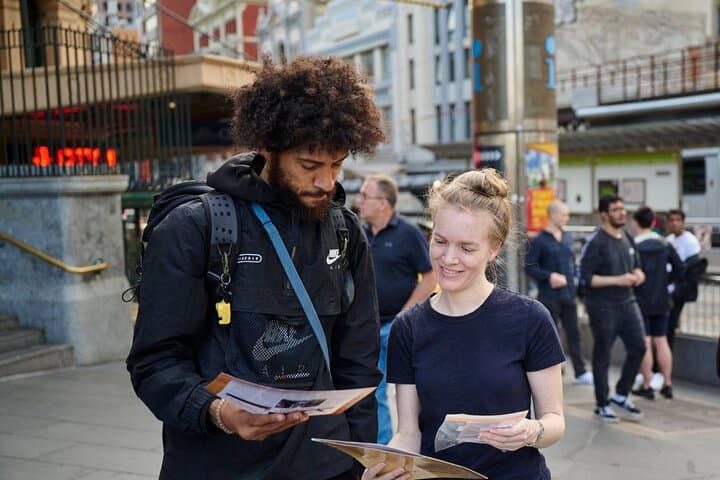
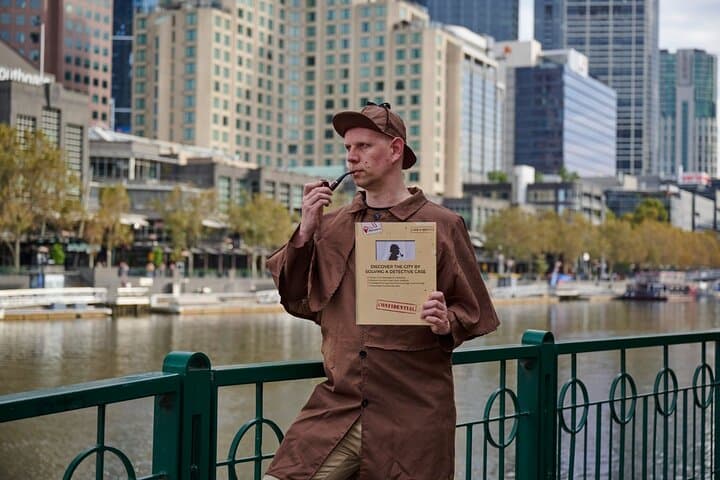
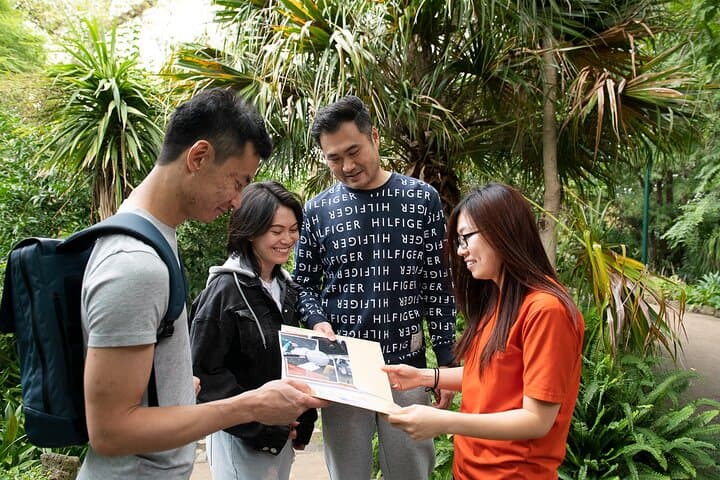
Practically, this self-guided escape game is a paced urban walk of roughly 2–2.5 hours for pairs or small groups (2–5 people). The physical case file supplies a map, clues and evidence; answers are checked online and hints are available if you stall. Expect 3–4 km of walking on paved surfaces, frequent stops to examine details, and a finish near Flinders Street Station — a natural rendezvous with cafes and public transport.
Bring a charged phone for hints and verification, comfortable shoes for mixed pavement, and allow extra time for coffee, photos and the inevitable detour into an intriguing lane. Weather can flip quickly, so plan for sun or rain and start in daylight to get the best read on the clues and the city itself.
moderate.
2–2.5 hours.
Moderate fitness — you should be comfortable walking a few kilometres and standing to examine clues
The experience starts at the State Library of Victoria and finishes near Flinders Street Station; public transport options are available at both ends.
The game is designed for small teams of 2–5 people working from a single case file.
The route is mostly paved but includes some cobbles and occasional steps; it’s not recommended for travelers with significant mobility limitations or spinal issues.
All sales are final — the booking is non-refundable and cannot be rescheduled, so confirm availability before purchase.
The route ties two historic civic anchors — the State Library (mid‑19th century foundations) and Flinders Street Station (early 20th century station building) — reflecting Melbourne’s growth as a port and cultural hub.
As an urban game, its impact is light but cumulative: avoid littering, respect private property and support independent businesses you pass to keep the lanes vibrant.
Experios operates guided outdoor trips and adventures with an emphasis on safety, stewardship, and memorable experiences.
A team assembles at the stone steps of the State Library of Victoria, case file in hand and a map that points toward fluted facades, hidden plaques and crowded laneways. The city hums around them: tram bells, the Yarra daring you to cross its promenades, and street art that interrupts the office drone with bright, blunt questions.
A team assembles at the stone steps of the State Library of Victoria, case file in hand and a map that points toward fluted facades, hidden plaques and crowded laneways. The city hums around them: tram bells, the Yarra daring you to cross its promenades, and street art that interrupts the office drone with bright, blunt questions.
The route threads through central Melbourne, a compact grid shaped by nineteenth‑century planning and early twentieth‑century civic buildings. Participants trace a sequence of public squares, arcades and riverfront views that reflect the city’s colonial growth and the adaptive reuse of laneways into cafés and murals. Geology is subtle here — a flat basalt plain underfoot — while culture is loud: Federation-era architecture, Indigenous place names, and the exchange of ideas in public libraries and railway concourses.
Practically, this self-guided escape game is a paced urban walk of roughly 2–2.5 hours for pairs or small groups (2–5 people). The physical case file supplies a map, clues and evidence; answers are checked online and hints are available if you stall. Expect 3–4 km of walking on paved surfaces, frequent stops to examine details, and a finish near Flinders Street Station — a natural rendezvous with cafes and public transport.
Bring a charged phone for hints and verification, comfortable shoes for mixed pavement, and allow extra time for coffee, photos and the inevitable detour into an intriguing lane. Weather can flip quickly, so plan for sun or rain and start in daylight to get the best read on the clues and the city itself.