THE ADVENTURE COLLECTIVE® · Independent discovery and booking for outdoor travel

Learn to shoot Melbourne after dark with a local pro guiding you to Flinders Street Station, tram-lit streets and Yarra River viewpoints. This short course focuses on manual exposure, composition, and practical workflows for night scenes.
Learn to shoot Melbourne after dark with a local pro guiding you to Flinders Street Station, tram-lit streets and Yarra River viewpoints. This short course focuses on manual exposure, composition, and practical workflows for night scenes.
A tram bell cuts through the evening air as you step onto the Flinders Street concourse, camera in hand and the station's clock face glowing like a watchful eye. The Yarra glitters downstream, reflecting sodium streetlights and glass towers; long exposures pull traffic into streams of light and the city's geometry resolves into crisp silhouettes. This course guides you through that transformation — turning familiar streets into controlled compositions.
Verified experiences and guided adventures in the surrounding area.
Operated by Alfonso Calero Photography · Melbourne, Victoria
A tram bell cuts through the evening air as you step onto the Flinders Street concourse, camera in hand and the station's clock face glowing like a watchful eye. The Yarra glitters downstream, reflecting sodium streetlights and glass towers; long exposures pull traffic into streams of light and the city's geometry resolves into crisp silhouettes. This course guides you through that transformation — turning familiar streets into controlled compositions.
Melbourne's city core sits on the volcanic plains of central Victoria and grew rapidly through 19th- and early-20th-century trade; the ornate façade of Flinders Street Station (completed 1910) and the grid of tram lines are living artifacts of that era. The Yarra River, a cultural and ecological spine for the Wurundjeri people, frames modern skyscrapers and low-lying bluestone bridges — a mix of geology and layered history you can photograph in a single frame.
Practical skills follow the scene: learn manual exposure, focusing in low light, and composition using leading lines from tram tracks and riversides. Expect hands-on demos of ISO/aperture tradeoffs, shutter-speed choices to capture motion or freeze detail, and tips for white balance under mixed light. Bring a compact tripod and spare batteries; the best light occurs in the blue hour and early night when the city balances ambient and artificial light.
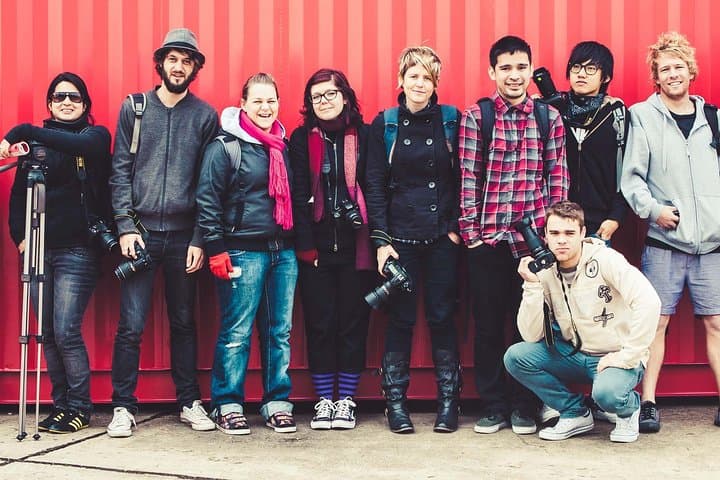
Safety and civility are emphasized — stay off active tram tracks, respect private property, and keep pathways clear for commuters. The tutor will show routes that maximize skyline and architectural shots while minimizing walking, making this a practical, accessible urban photography adventure for beginners and hobbyists.
easy.
2–3 hours.
Minimal fitness required — mostly standing and short walks on paved surfaces; suitable for most participants.
No — the course is designed for beginners and hobbyists and covers camera setup, manual exposure and composition techniques.
Recommended. While some techniques can be practiced handheld, a tripod is essential for clean long-exposure images of lights and reflections.
Typical sessions are scheduled around blue hour and early night to balance ambient and artificial light; exact start times vary by season.
Yes — the tutor provides guidance on exposure, focus and framing across common mirrorless and DSLR systems and offers hands-on adjustments during the session.
Flinders Street Station, completed in 1910, anchors the city's rail history while the Yarra River has been central to Wurundjeri people for millennia.
Be mindful of light pollution and avoid staging large artificial lights; use public transport to reduce emissions and respect riverside vegetation and cultural sites.
Alfonso Calero Photography operates guided outdoor trips and adventures with an emphasis on safety, stewardship, and memorable experiences.
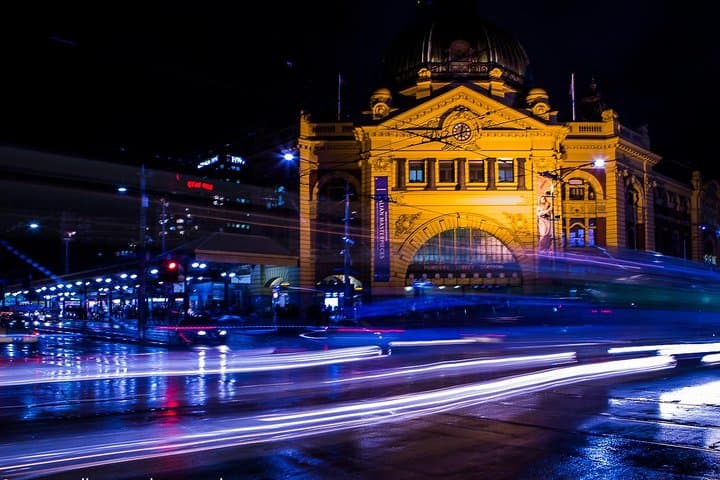
A tram bell cuts through the evening air as you step onto the Flinders Street concourse, camera in hand and the station's clock face glowing like a watchful eye. The Yarra glitters downstream, reflecting sodium streetlights and glass towers; long exposures pull traffic into streams of light and the city's geometry resolves into crisp silhouettes. This course guides you through that transformation — turning familiar streets into controlled compositions.
A tram bell cuts through the evening air as you step onto the Flinders Street concourse, camera in hand and the station's clock face glowing like a watchful eye. The Yarra glitters downstream, reflecting sodium streetlights and glass towers; long exposures pull traffic into streams of light and the city's geometry resolves into crisp silhouettes. This course guides you through that transformation — turning familiar streets into controlled compositions.
Melbourne's city core sits on the volcanic plains of central Victoria and grew rapidly through 19th- and early-20th-century trade; the ornate façade of Flinders Street Station (completed 1910) and the grid of tram lines are living artifacts of that era. The Yarra River, a cultural and ecological spine for the Wurundjeri people, frames modern skyscrapers and low-lying bluestone bridges — a mix of geology and layered history you can photograph in a single frame.
Practical skills follow the scene: learn manual exposure, focusing in low light, and composition using leading lines from tram tracks and riversides. Expect hands-on demos of ISO/aperture tradeoffs, shutter-speed choices to capture motion or freeze detail, and tips for white balance under mixed light. Bring a compact tripod and spare batteries; the best light occurs in the blue hour and early night when the city balances ambient and artificial light.
Safety and civility are emphasized — stay off active tram tracks, respect private property, and keep pathways clear for commuters. The tutor will show routes that maximize skyline and architectural shots while minimizing walking, making this a practical, accessible urban photography adventure for beginners and hobbyists.