THE ADVENTURE COLLECTIVE® · Independent discovery and booking for outdoor travel

Skip the lines at Key West’s Mel Fisher Maritime Museum and follow an audio tour through shipwreck galleries, conservation labs, and exhibits that reveal the science and controversy behind recovered treasure. Plan 1–2 hours and aim for morning entry to avoid crowds.
Skip the lines at Key West’s Mel Fisher Maritime Museum and follow an audio tour through shipwreck galleries, conservation labs, and exhibits that reveal the science and controversy behind recovered treasure. Plan 1–2 hours and aim for morning entry to avoid crowds.
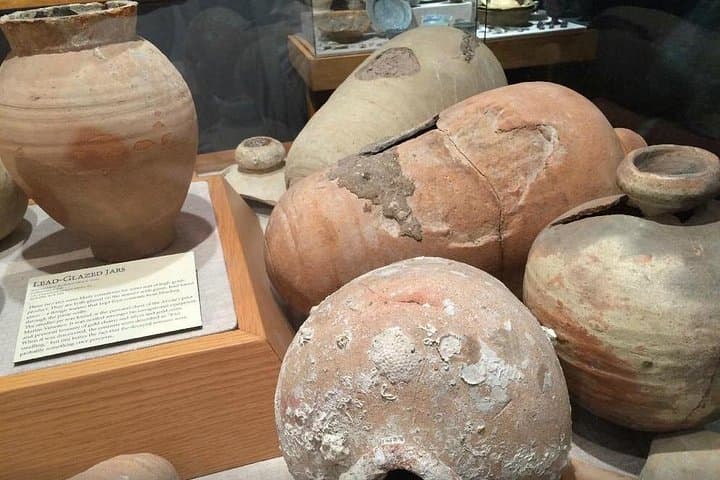
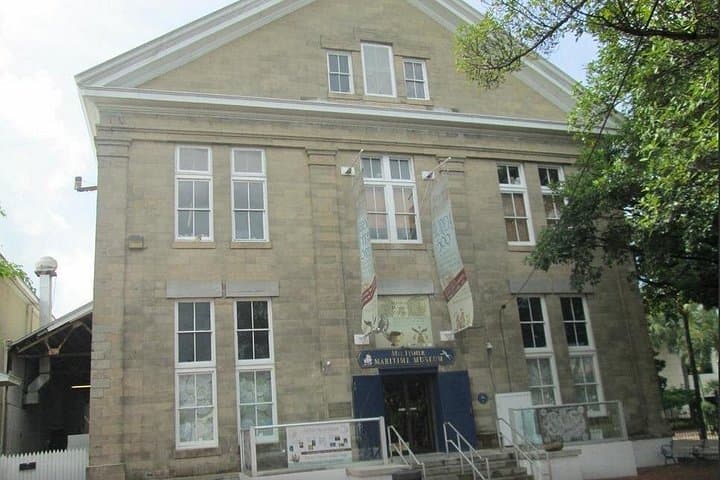
You step off the humid Key West air into a cool, dim gallery where coins still catch light like small suns. The Mel Fisher Maritime Museum opens with glass cases of silver and gold, but the louder story is the work behind the shine: dives, legal fights, and conservation labs where salt and time are methodically stripped from history.
Verified experiences and guided adventures in the surrounding area.
Operated by Mel Fisher Maritime Museum · Key West, Florida
You step off the humid Key West air into a cool, dim gallery where coins still catch light like small suns. The Mel Fisher Maritime Museum opens with glass cases of silver and gold, but the louder story is the work behind the shine: dives, legal fights, and conservation labs where salt and time are methodically stripped from history.
The museum traces shipwrecks from Spanish galleons to the 1699 Henrietta Marie and charts Key West’s role in Caribbean commerce and the Transatlantic Slave Trade. Geology and oceanography threads appear in the displays—how currents, storms, and reefs shape where wrecks rest and where salvors search. Cultural exhibits confront difficult chapters, including the Henrietta Marie artifacts and the city’s African Burial Ground, grounding the treasure story in human consequences.
Local color spills outside: the seaport’s boathouses, working vessels, and the harbor’s resident pelicans watching the docks as attentively as any visitor. Audio narration included with admission guides you room by room, and the conservation lab windows let you watch specialists stabilize fragile finds.
Practical guidance: aim for morning entry to avoid peak crowds and summer storms; allow 1–2 hours for a thorough visit and more if you take the lab tour. The museum is wheelchair accessible and family-friendly; wear comfortable shoes for the surrounding historic seaport, bring sunscreen for time outside, and respect photography rules in sensitive exhibit areas. Whether you come for glittering treasure or the collision of science and history, the Mel Fisher Museum frames Key West’s maritime past with clear, evidence-driven storytelling.
easy.
1–2 hours (typical); up to 4 hours if combining exhibits and lab tour.
Suitable for most fitness levels; involves standing and walking on flat indoor floors and short outdoor walks
Yes—this ticket includes an English audio tour to guide you through the galleries and exhibits.
Yes. The museum indicates wheelchair access and is suitable for all physical fitness levels.
Plan 1–2 hours for the main galleries; allow up to 3–4 hours if you add the lab tour and explore the seaport.
Small bags and strollers are generally permitted, but large items may be restricted—check at entry for specific rules.
The museum highlights Mel Fisher’s decades-long salvage work, including finds from Spanish galleons and the Henrietta Marie, and touches on legal battles and local maritime commerce.
Artifacts are conserved onsite and the museum emphasizes ethical recovery practices and legal protections for underwater cultural heritage.
Mel Fisher Maritime Museum operates guided outdoor trips and adventures with an emphasis on safety, stewardship, and memorable experiences.
You step off the humid Key West air into a cool, dim gallery where coins still catch light like small suns. The Mel Fisher Maritime Museum opens with glass cases of silver and gold, but the louder story is the work behind the shine: dives, legal fights, and conservation labs where salt and time are methodically stripped from history.
You step off the humid Key West air into a cool, dim gallery where coins still catch light like small suns. The Mel Fisher Maritime Museum opens with glass cases of silver and gold, but the louder story is the work behind the shine: dives, legal fights, and conservation labs where salt and time are methodically stripped from history.
The museum traces shipwrecks from Spanish galleons to the 1699 Henrietta Marie and charts Key West’s role in Caribbean commerce and the Transatlantic Slave Trade. Geology and oceanography threads appear in the displays—how currents, storms, and reefs shape where wrecks rest and where salvors search. Cultural exhibits confront difficult chapters, including the Henrietta Marie artifacts and the city’s African Burial Ground, grounding the treasure story in human consequences.
Local color spills outside: the seaport’s boathouses, working vessels, and the harbor’s resident pelicans watching the docks as attentively as any visitor. Audio narration included with admission guides you room by room, and the conservation lab windows let you watch specialists stabilize fragile finds.
Practical guidance: aim for morning entry to avoid peak crowds and summer storms; allow 1–2 hours for a thorough visit and more if you take the lab tour. The museum is wheelchair accessible and family-friendly; wear comfortable shoes for the surrounding historic seaport, bring sunscreen for time outside, and respect photography rules in sensitive exhibit areas. Whether you come for glittering treasure or the collision of science and history, the Mel Fisher Museum frames Key West’s maritime past with clear, evidence-driven storytelling.