THE ADVENTURE COLLECTIVE® · Independent discovery and booking for outdoor travel

Explore Meknes on a focused three-hour walking tour that covers Bab Mansour, the Mausoleum of Moulay Ismail, the Royal Stables and the busy medina. This private, all-entry-fees-included tour blends history, architecture and local cuisine with practical pacing for first-time visitors.
Explore Meknes on a focused three-hour walking tour that covers Bab Mansour, the Mausoleum of Moulay Ismail, the Royal Stables and the busy medina. This private, all-entry-fees-included tour blends history, architecture and local cuisine with practical pacing for first-time visitors.
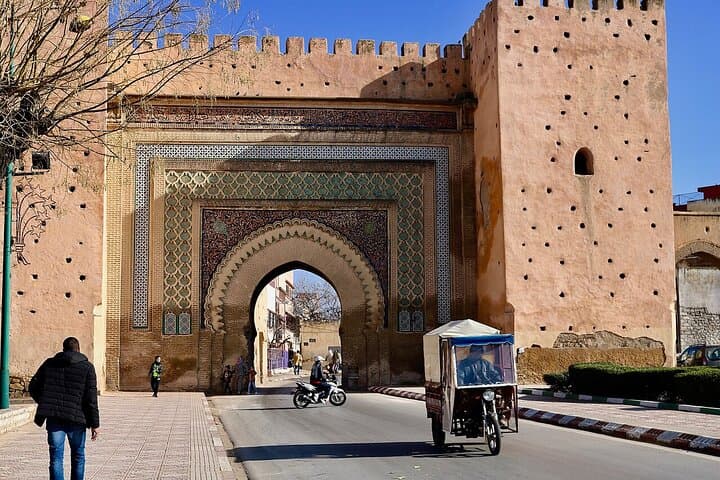
You step from the shade of a narrow souk into El Hedim Square and the city opens like a map folded by centuries — sun on stone, vendors calling, pigeons circling the grand Bab Mansour. The gate’s white-and-black marble frame sets the tone: ordered geometry overlaid with the messy life of a living medina.
Verified experiences and guided adventures in the surrounding area.
Operated by Things To Do in Fez · Meknes, Fès-Meknès
You step from the shade of a narrow souk into El Hedim Square and the city opens like a map folded by centuries — sun on stone, vendors calling, pigeons circling the grand Bab Mansour. The gate’s white-and-black marble frame sets the tone: ordered geometry overlaid with the messy life of a living medina.
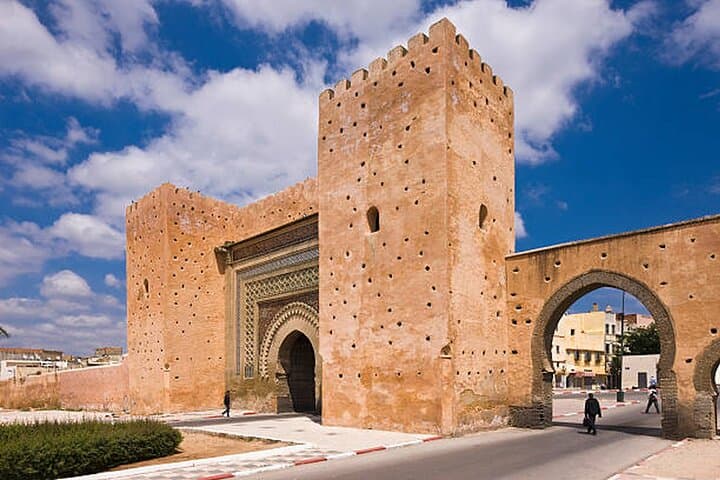
Meknes rose to prominence under Sultan Moulay Ismail in the late 17th century, who converted it into an imperial capital. The city’s geology is plain — rolling agricultural plains that meet the Rif foothills — but the real structure is human: vast granaries, imperial stables and fortified walls that reveal practical engineering and imperial ambition. Culture here is a blend of Arab, Berber and Andalusian influences visible in tilework, tiled riads and the cadence of the market.
Your guide points out architectural details — zellij tiles, carved cedar, horseshoe arches — and steers you through quieter lanes where artisans hammer metal and a café pours mint tea. Lunch at a local restaurant offers tagine and a chance to watch daily life slow at midday.
Practical guidance: the route is mostly paved and flat but includes uneven cobbles; wear supportive shoes and bring a refillable water bottle. Expect moderate crowds in peak season; mornings are cooler and easier for photos. Entrances to the Mausoleum and Royal Stables are included in the tour price. If you want fewer stops and more time for the souks, request that when you book — guides can adapt the pace for small private groups.
easy.
3 hours.
Suitable for most fitness levels; involves 2–3 miles of walking on uneven city surfaces
Yes — the tour price includes entrance to the Mausoleum of Moulay Ismail and the Royal Stables as stated in the listing.
Guides typically speak French and English; check at booking if you need another language or have special requests.
The tour is labeled physically easy, but the medina has narrow, uneven alleys and some steps; notify the operator ahead to assess accessibility options.
A traditional Moroccan lunch at a local restaurant is included as part of the itinerary.
Meknes became an imperial capital under Sultan Moulay Ismail in the late 1600s; many grand structures date to his reign and reflect military and agricultural planning.
The medina’s old fabric is fragile; favor local artisans and avoid purchasing products made from endangered materials to support sustainable tourism.
Things To Do in Fez operates guided outdoor trips and adventures with an emphasis on safety, stewardship, and memorable experiences.
You step from the shade of a narrow souk into El Hedim Square and the city opens like a map folded by centuries — sun on stone, vendors calling, pigeons circling the grand Bab Mansour. The gate’s white-and-black marble frame sets the tone: ordered geometry overlaid with the messy life of a living medina.
You step from the shade of a narrow souk into El Hedim Square and the city opens like a map folded by centuries — sun on stone, vendors calling, pigeons circling the grand Bab Mansour. The gate’s white-and-black marble frame sets the tone: ordered geometry overlaid with the messy life of a living medina.
Meknes rose to prominence under Sultan Moulay Ismail in the late 17th century, who converted it into an imperial capital. The city’s geology is plain — rolling agricultural plains that meet the Rif foothills — but the real structure is human: vast granaries, imperial stables and fortified walls that reveal practical engineering and imperial ambition. Culture here is a blend of Arab, Berber and Andalusian influences visible in tilework, tiled riads and the cadence of the market.
Your guide points out architectural details — zellij tiles, carved cedar, horseshoe arches — and steers you through quieter lanes where artisans hammer metal and a café pours mint tea. Lunch at a local restaurant offers tagine and a chance to watch daily life slow at midday.
Practical guidance: the route is mostly paved and flat but includes uneven cobbles; wear supportive shoes and bring a refillable water bottle. Expect moderate crowds in peak season; mornings are cooler and easier for photos. Entrances to the Mausoleum and Royal Stables are included in the tour price. If you want fewer stops and more time for the souks, request that when you book — guides can adapt the pace for small private groups.