THE ADVENTURE COLLECTIVE® · Independent discovery and booking for outdoor travel

Walk through Mehrauli’s 1,000-year sweep of monuments from Hauz-e-Shamsi to Zafar Mahal with a local guide. This four-hour private tour blends archaeology, Sufi shrines and palace reflections with practical logistics for a comfortable urban exploration.
Walk through Mehrauli’s 1,000-year sweep of monuments from Hauz-e-Shamsi to Zafar Mahal with a local guide. This four-hour private tour blends archaeology, Sufi shrines and palace reflections with practical logistics for a comfortable urban exploration.
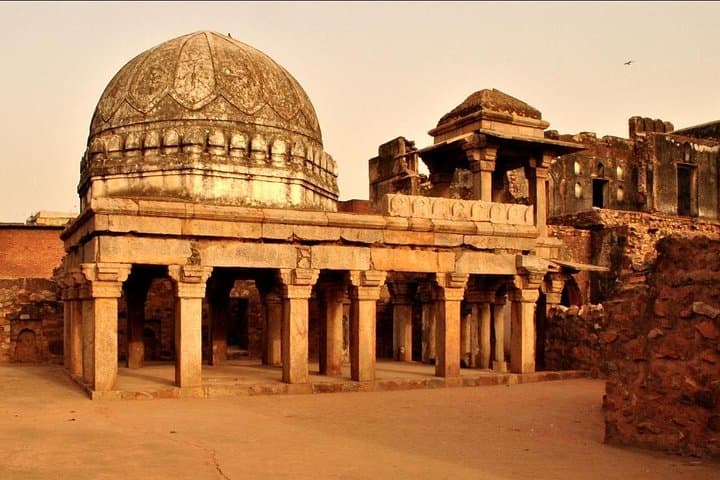
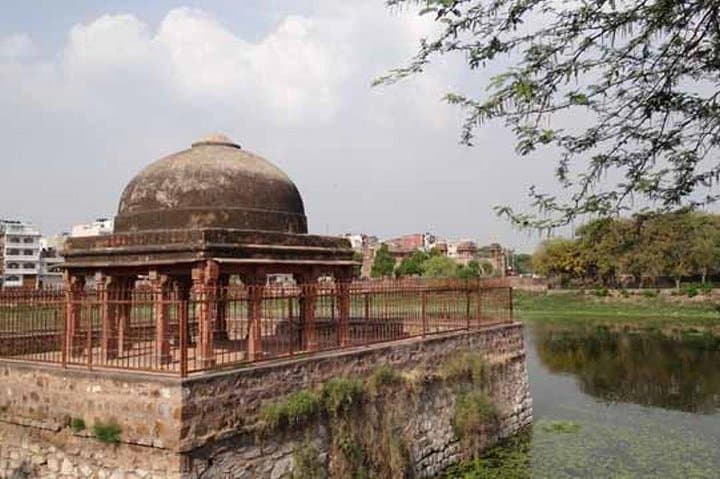
A late-morning sun slants across the rim of Hauz-e-Shamsi as you step from an air‑conditioned car into an open field where stone keeps its stories. The water reservoir, its steps worn by pilgrims and painters, dares you to follow a thousand years of footsteps: Mamluk tombs, Lodi-era domes, Mughal courtyards and a ruined palace that still mirrors itself on the water.
Verified experiences and guided adventures in the surrounding area.
Operated by SITA World Tours · New Delhi, Delhi
A late-morning sun slants across the rim of Hauz-e-Shamsi as you step from an air‑conditioned car into an open field where stone keeps its stories. The water reservoir, its steps worn by pilgrims and painters, dares you to follow a thousand years of footsteps: Mamluk tombs, Lodi-era domes, Mughal courtyards and a ruined palace that still mirrors itself on the water.
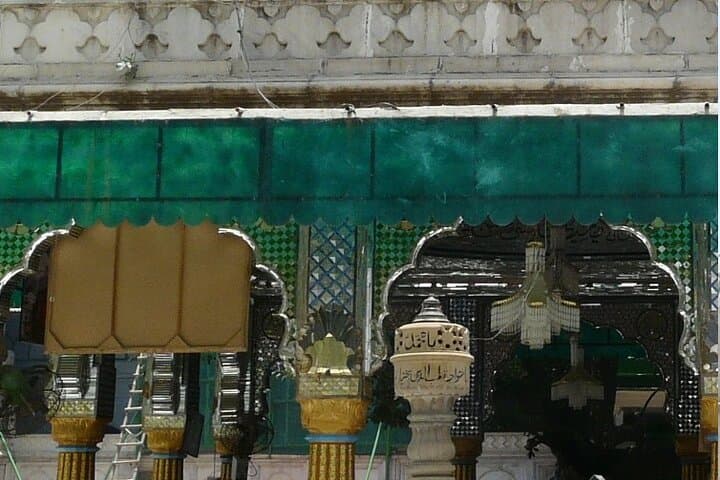
Mehrauli is one of Delhi’s seven ancient cities and an archaeological patchwork—over 440 monuments spanning the 10th–19th centuries. Geologically the area sits on the old Yamuna floodplain; the shallow bowls and stepwells capture monsoon runoff that shaped settlement patterns here. Culturally, Mehrauli holds syncretic festivals (Phoolon Walon ki Sair still draws crowds) and Sufi shrines where local storytellers tie present life to imperial pasts.
Your guide threads anecdotes through masonry: Iltutmish’s 1230 Hauz, the reflective Jahaz Mahal, the forlorn Zafar Mahal where the last Mughal planned a resting place he never reached.
Practical side: the route is mostly flat but uneven stone and steps require steady shoes and a moderate fitness level. Expect four hours including transport and a final stop at the Qutub-era shrine; lunch is on your own. Bring water, sun protection and modest clothing for shrine visits. Morning departures avoid peak heat and crowds; the light then makes the carved stone readable, literally and historically.
This is an urban walk that rewards attention—watch for hidden courtyards, birds on ruined cornices, and the way the city keeps breathing between the walls.
moderate.
3–4 hours.
Moderate — able to walk on uneven ground and climb short flights of steps without assistance
The tour lasts about four hours and includes a local English-speaking guide, private air-conditioned transport, hotel pickup/drop-off and two bottles of mineral water.
Children under 15 must be accompanied by an adult; the tour involves moderate walking on uneven surfaces and is not recommended for travelers with significant mobility issues or back problems.
Admission to the listed monuments is included as noted in the itinerary; lunch and any optional purchases are at your own expense.
Full refund available if canceled at least 24 hours before departure; same-day cancellations are non-refundable per the standard policy.
Mehrauli’s monuments reflect successive Delhi dynasties—Mamluk, Sayyid, Lodi and Mughal—and include structures commissioned by Iltutmish and later Mughal-era additions like Zafar Mahal.
Many monuments are fragile; visitors should avoid touching carved surfaces or climbing ruins. Local conservation programs and controlled access help preserve the site for future visitors.
SITA World Tours operates guided outdoor trips and adventures with an emphasis on safety, stewardship, and memorable experiences.
A late-morning sun slants across the rim of Hauz-e-Shamsi as you step from an air‑conditioned car into an open field where stone keeps its stories. The water reservoir, its steps worn by pilgrims and painters, dares you to follow a thousand years of footsteps: Mamluk tombs, Lodi-era domes, Mughal courtyards and a ruined palace that still mirrors itself on the water.
A late-morning sun slants across the rim of Hauz-e-Shamsi as you step from an air‑conditioned car into an open field where stone keeps its stories. The water reservoir, its steps worn by pilgrims and painters, dares you to follow a thousand years of footsteps: Mamluk tombs, Lodi-era domes, Mughal courtyards and a ruined palace that still mirrors itself on the water.
Mehrauli is one of Delhi’s seven ancient cities and an archaeological patchwork—over 440 monuments spanning the 10th–19th centuries. Geologically the area sits on the old Yamuna floodplain; the shallow bowls and stepwells capture monsoon runoff that shaped settlement patterns here. Culturally, Mehrauli holds syncretic festivals (Phoolon Walon ki Sair still draws crowds) and Sufi shrines where local storytellers tie present life to imperial pasts.
Your guide threads anecdotes through masonry: Iltutmish’s 1230 Hauz, the reflective Jahaz Mahal, the forlorn Zafar Mahal where the last Mughal planned a resting place he never reached.
Practical side: the route is mostly flat but uneven stone and steps require steady shoes and a moderate fitness level. Expect four hours including transport and a final stop at the Qutub-era shrine; lunch is on your own. Bring water, sun protection and modest clothing for shrine visits. Morning departures avoid peak heat and crowds; the light then makes the carved stone readable, literally and historically.
This is an urban walk that rewards attention—watch for hidden courtyards, birds on ruined cornices, and the way the city keeps breathing between the walls.