THE ADVENTURE COLLECTIVE® · Independent discovery and booking for outdoor travel

Board a small, research-led boat from Doca de Santo Amaro for a focused dolphin-watching cruise that prioritizes close, low-impact encounters. This three-hour tour, run by a marine biologist, includes up to 40 miles of searching and supports local cetacean research.
Board a small, research-led boat from Doca de Santo Amaro for a focused dolphin-watching cruise that prioritizes close, low-impact encounters. This three-hour tour, run by a marine biologist, includes up to 40 miles of searching and supports local cetacean research.
A salt-tanged wind cuts under the 25 de Abril bridge as the boat eases away from Doca de Santo Amaro and into the broad mouth of the Tagus.
Verified experiences and guided adventures in the surrounding area.
Operated by Lisbon Dolphins · Lisbon, Lisbon
A salt-tanged wind cuts under the 25 de Abril bridge as the boat eases away from Doca de Santo Amaro and into the broad mouth of the Tagus.
Passengers get an immediate geography lesson: a wide estuary giving way to the Atlantic, cliffs and river bars that shape where fish gather—and where dolphins follow. The operation is run by a marine biologist who has studied Lisbon’s dolphin communities for 17 years; the small 10-person boat (no middle row) keeps the encounter intimate and low-impact, using recyclable materials and reduced emissions.
Historically the Tagus has been Portugal’s marine highway, feeding Lisbon’s ports and drawing both fishermen and cetologists to its currents. Geology matters here—the estuary’s sandbanks and outflow patterns concentrate prey, and local dolphin groups have adapted feeding and social habits around that rhythm.
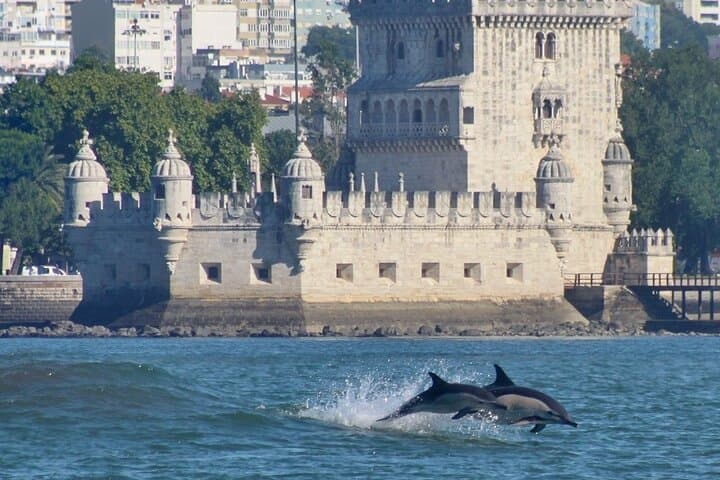
Expect a practical, research-centered outing rather than a loud sightseeing cruise: the crew will search up to 40 miles and include an extra hour of searching when needed, with a typical three-hour window. You’ll hear quick field notes on group structure and behavior, learn how to identify species, and pass key monuments on the return.
Practical guidance: dress windproof layers, bring sunscreen and seasickness remedies, and plan for limited facilities aboard. The trip is unsuitable for pregnant travelers or those with major spinal or heart conditions; lifejackets are provided. Timing your trip for calmer seas—often morning—improves comfort and sighting chances. By joining, you’re not just looking; you’re supporting ongoing local research and a low-emission approach to marine wildlife viewing.
easy.
3 hours.
Suitable for most fitness levels; must be able to step on and off a small boat and stand for stretches of time.
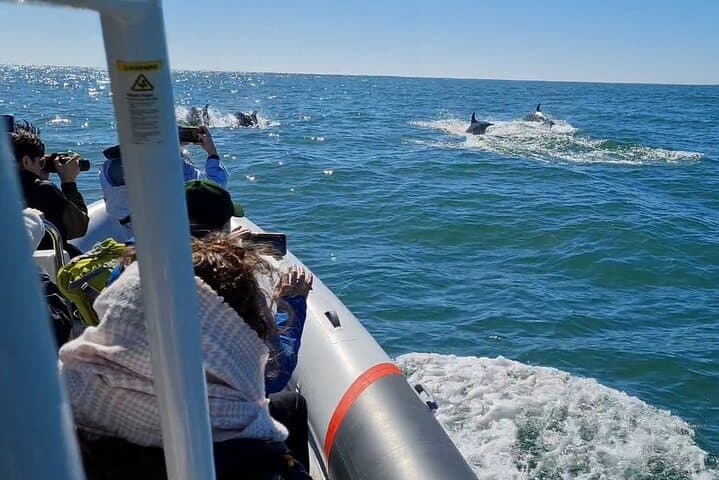
Sightings are frequent—the operator reports very high encounter rates and extends search time up to 40 miles and an extra hour when needed, but sightings cannot be absolutely guaranteed.
Departures are from Doca de Santo Amaro (under the 25 de Abril bridge) and the tour lasts about three hours, including searching and a short return pass by riverside monuments.
Children are welcome but must be accompanied by an adult; the tour is not recommended for pregnant travelers or those with significant spinal or heart conditions.
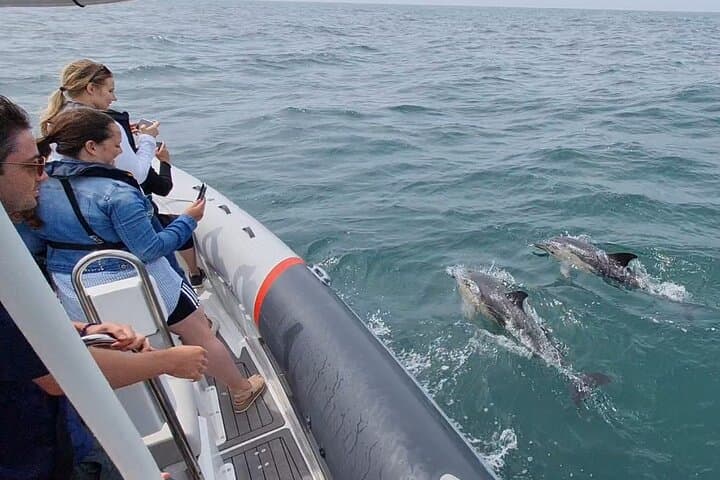
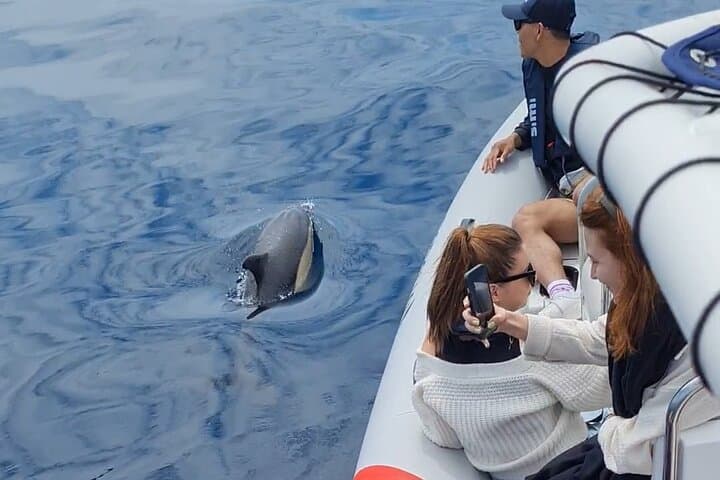
Common sightings include common dolphins and bottlenose dolphins; the on-board cetologist will explain group structure, behaviors, and how to recognize species after sightings.
The Tagus estuary has been Lisbon’s maritime gateway for centuries; its currents and sandbanks shaped trade routes and also create predictable feeding areas for dolphins.
This operator combines research funding with low-emission practices; visitors are asked to minimize disturbance and follow guide instructions to protect dolphin behavior and habitat.
Lisbon Dolphins operates guided outdoor trips and adventures with an emphasis on safety, stewardship, and memorable experiences.
A salt-tanged wind cuts under the 25 de Abril bridge as the boat eases away from Doca de Santo Amaro and into the broad mouth of the Tagus.
A salt-tanged wind cuts under the 25 de Abril bridge as the boat eases away from Doca de Santo Amaro and into the broad mouth of the Tagus.
Passengers get an immediate geography lesson: a wide estuary giving way to the Atlantic, cliffs and river bars that shape where fish gather—and where dolphins follow. The operation is run by a marine biologist who has studied Lisbon’s dolphin communities for 17 years; the small 10-person boat (no middle row) keeps the encounter intimate and low-impact, using recyclable materials and reduced emissions.
Historically the Tagus has been Portugal’s marine highway, feeding Lisbon’s ports and drawing both fishermen and cetologists to its currents. Geology matters here—the estuary’s sandbanks and outflow patterns concentrate prey, and local dolphin groups have adapted feeding and social habits around that rhythm.
Expect a practical, research-centered outing rather than a loud sightseeing cruise: the crew will search up to 40 miles and include an extra hour of searching when needed, with a typical three-hour window. You’ll hear quick field notes on group structure and behavior, learn how to identify species, and pass key monuments on the return.
Practical guidance: dress windproof layers, bring sunscreen and seasickness remedies, and plan for limited facilities aboard. The trip is unsuitable for pregnant travelers or those with major spinal or heart conditions; lifejackets are provided. Timing your trip for calmer seas—often morning—improves comfort and sighting chances. By joining, you’re not just looking; you’re supporting ongoing local research and a low-emission approach to marine wildlife viewing.