THE ADVENTURE COLLECTIVE® · Independent discovery and booking for outdoor travel

Walk with rescued elephants in a forested sanctuary outside Phuket—no riding, no shows, just guided, hands-on feeding and learning about conservation. Small-group visits emphasize animal welfare and low-impact observation.
Walk with rescued elephants in a forested sanctuary outside Phuket—no riding, no shows, just guided, hands-on feeding and learning about conservation. Small-group visits emphasize animal welfare and low-impact observation.
The morning air on Phuket’s eastern lowlands tastes of damp earth and coconut smoke as you step from the van onto a shaded trail. Tall trees lean over narrow paths while the sanctuary—quiet, unfussy, and animal-first—unfolds ahead: grand, grey shapes moving slow and deliberate through scrub and native forest.
Verified experiences and guided adventures in the surrounding area.
Operated by MY Holiday Centre · Phuket, Phuket Province
The morning air on Phuket’s eastern lowlands tastes of damp earth and coconut smoke as you step from the van onto a shaded trail. Tall trees lean over narrow paths while the sanctuary—quiet, unfussy, and animal-first—unfolds ahead: grand, grey shapes moving slow and deliberate through scrub and native forest.
Elephant welfare in Thailand has shifted in recent decades from logging and circus use toward rescue and rehabilitation. Sanctuaries like this focus on natural foraging and social grouping; you’ll learn about the elephants’ pasts, their dietary and medical care, and the NGO methods that prioritize non-invasive interaction.
Geologically the island is older granite and schist, eroded into low hills and rich soils that support the sanctuary’s forage. Culturally, elephants hold a long symbolic place in Thai history—work animals, royal symbols, and now conservation emblems—so visits blend natural observation with conversations about local livelihoods and animal ethics.
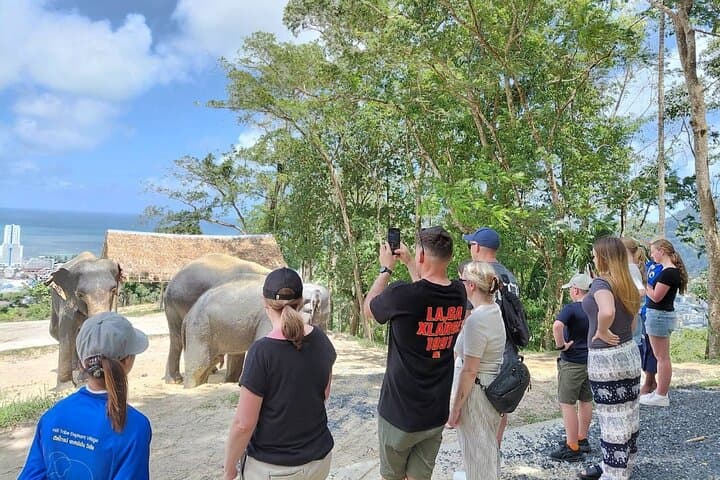
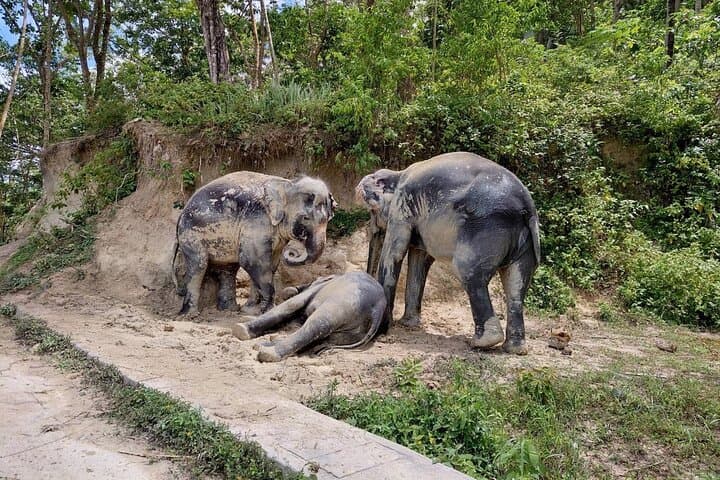
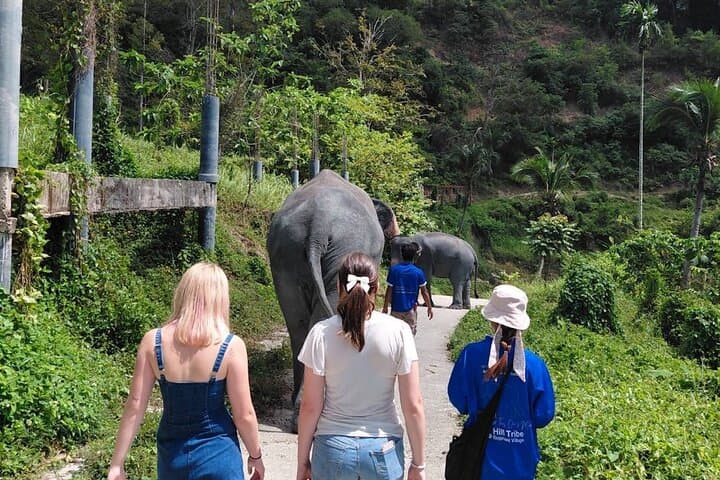
Practically, expect guided walks on packed dirt and light forest trails, hand-feeding under staff supervision, and time to observe trunks foraging and young animals playing. The experience is deliberately low-impact: no rides, no performances, and small groups to minimize stress on the animals.
Bring breathable clothing, sturdy closed-toe shoes, and a sun hat; stay hydrated and follow staff instructions around food and proximity. Aim for a morning or late-afternoon slot to avoid midday heat and to see the elephants most active. This is an accessible, educational outing that centers respect—both for visitors and for the elephants who now call this place home.
easy.
3–4 hours.
Suitable for most fitness levels; involves short, easy walks on uneven terrain and standing during feeds
No. This sanctuary follows ethical practices with no rides or performances; interactions are limited to guided walks and hand-feeding.
Yes—infant seats are available for transfers, but children must be supervised and follow staff safety rules around animals.
The experience is low-impact but not recommended for guests with serious spinal or cardiovascular conditions; staff may refuse service if safety is a concern.
Hotel transfers and a guide are included; confirm pickup point when booking and allow time for traffic between resorts and the sanctuary.
Thailand’s relationship with elephants spans centuries—from logging and royal use to modern conservation efforts that rescue former working elephants and rehabilitate them in forested sanctuaries.
Sanctuaries here emphasize no-riding policies, natural diets, and small group sizes to reduce stress; visitors help fund medical care and habitat maintenance through entrance fees.
MY Holiday Centre operates guided outdoor trips and adventures with an emphasis on safety, stewardship, and memorable experiences.
The morning air on Phuket’s eastern lowlands tastes of damp earth and coconut smoke as you step from the van onto a shaded trail. Tall trees lean over narrow paths while the sanctuary—quiet, unfussy, and animal-first—unfolds ahead: grand, grey shapes moving slow and deliberate through scrub and native forest.
The morning air on Phuket’s eastern lowlands tastes of damp earth and coconut smoke as you step from the van onto a shaded trail. Tall trees lean over narrow paths while the sanctuary—quiet, unfussy, and animal-first—unfolds ahead: grand, grey shapes moving slow and deliberate through scrub and native forest.
Elephant welfare in Thailand has shifted in recent decades from logging and circus use toward rescue and rehabilitation. Sanctuaries like this focus on natural foraging and social grouping; you’ll learn about the elephants’ pasts, their dietary and medical care, and the NGO methods that prioritize non-invasive interaction.
Geologically the island is older granite and schist, eroded into low hills and rich soils that support the sanctuary’s forage. Culturally, elephants hold a long symbolic place in Thai history—work animals, royal symbols, and now conservation emblems—so visits blend natural observation with conversations about local livelihoods and animal ethics.
Practically, expect guided walks on packed dirt and light forest trails, hand-feeding under staff supervision, and time to observe trunks foraging and young animals playing. The experience is deliberately low-impact: no rides, no performances, and small groups to minimize stress on the animals.
Bring breathable clothing, sturdy closed-toe shoes, and a sun hat; stay hydrated and follow staff instructions around food and proximity. Aim for a morning or late-afternoon slot to avoid midday heat and to see the elephants most active. This is an accessible, educational outing that centers respect—both for visitors and for the elephants who now call this place home.