THE ADVENTURE COLLECTIVE® · Independent discovery and booking for outdoor travel

Spend a half-day with Julio Hancco, the so-called Potato King, in Pampa Corral and learn about hundreds of native potato varieties, traditional farming, and local cuisine. This off-grid cultural farm visit combines a short mountain hike, a stop at Ancasmarca ruins, and a home-cooked trout-and-potato lunch.
Spend a half-day with Julio Hancco, the so-called Potato King, in Pampa Corral and learn about hundreds of native potato varieties, traditional farming, and local cuisine. This off-grid cultural farm visit combines a short mountain hike, a stop at Ancasmarca ruins, and a home-cooked trout-and-potato lunch.
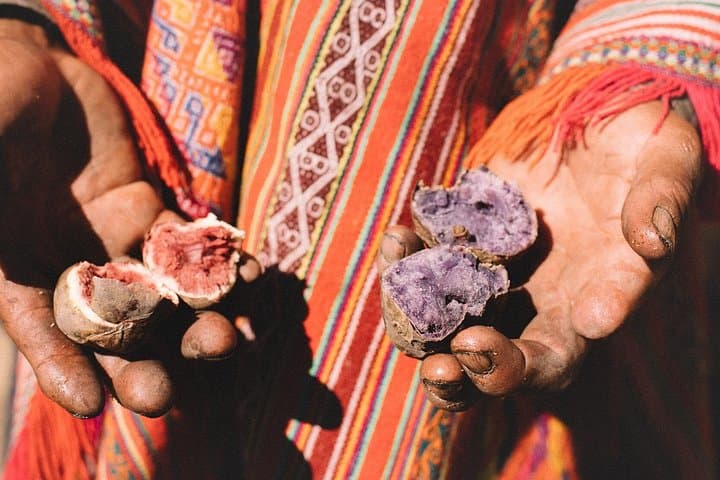
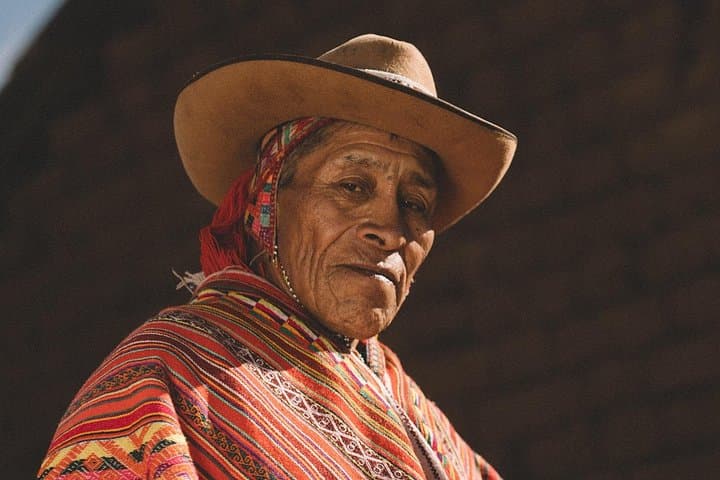
Morning light cuts across the Lares Valley as the road climbs away from Calca, and the air sharpens with altitude. You arrive at a low stone homestead where sacks of earth-smelling tubers spill like a market's treasure; Julio Hancco waits among rows of ridged fields, ready to explain how a single crop shapes village life.
Verified experiences and guided adventures in the surrounding area.
Operated by Curios · Calca, Cusco
Morning light cuts across the Lares Valley as the road climbs away from Calca, and the air sharpens with altitude. You arrive at a low stone homestead where sacks of earth-smelling tubers spill like a market's treasure; Julio Hancco waits among rows of ridged fields, ready to explain how a single crop shapes village life.
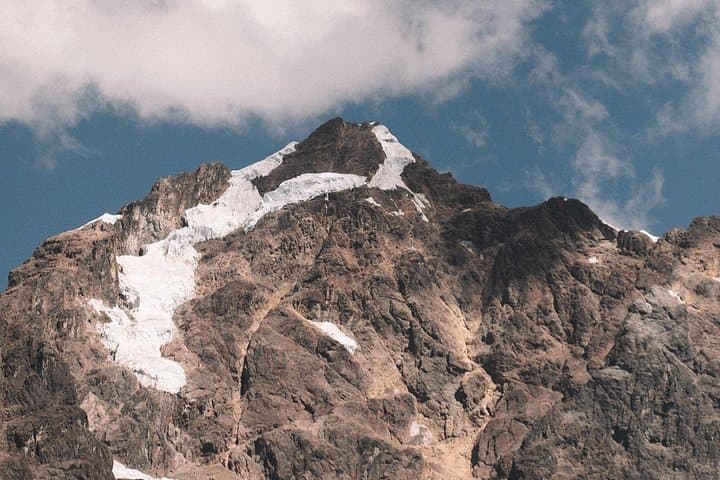
Potatoes were first domesticated in the central Andes more than 8,000 years ago, and here the ground still records that history: terraced plots, freeze-resistant varieties, and seed-saving practices that predate written records. Geology matters — volcanic soils and glacial runoff give this high valley its mineral bite, while daily sun and cold nights force crops to adapt and diversify.
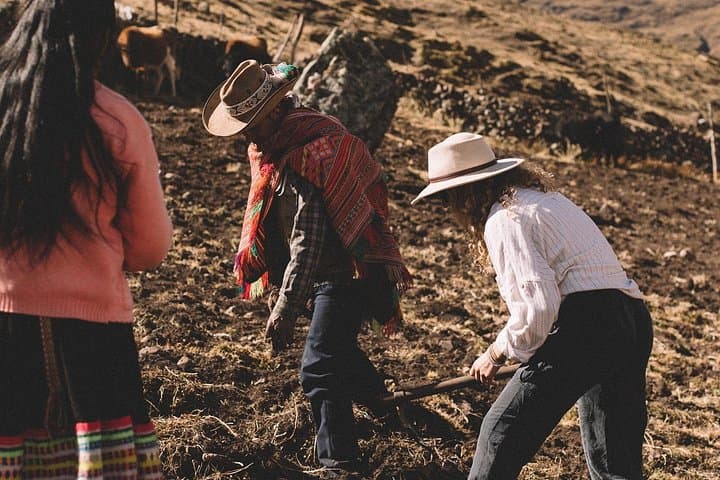
Culturally, the visit is intimate. You’ll watch planting and curing techniques, learn why certain varieties suit soups versus crispy chips, and sit down for a home-cooked mountain lunch — trout and potatoes — prepared with recipes handed down locally. The short stop at the Ancasmarca ruins on the way places the farm in a broader Andean story of agriculture and ritual.
Practically: the experience is a half-day private tour from Calca (about 6 hours total). Expect rough, unpaved roads and a moderate uphill hike on uneven terrain; there is no cell service at the community. Book at least seven days in advance to arrange transport. Bring layers for quick temperature swings, sun protection, cash for small purchases, and patience — the point is slow, place-based learning. This is a rural exchange as much as a hike: arrive curious and ready to taste history.
moderate.
6 hours.
Moderate fitness is required: you'll walk on uneven, sometimes steep ground and tolerate altitude.
Most tours start at the Andean Alliance office in Calca; Calca is a short drive from the Sacred Valley and reachable by taxi or arranged transfer from Cusco.
The itinerary involves hiking and altitude; organizers do not recommend it for pregnant travelers or very young children without prior consultation.
Guides typically speak Spanish and many offer English; confirm language needs when booking to ensure a bilingual guide if required.
Yes — roundtrip transport from Calca and a mountain lunch (including trout and potatoes), snacks, and coffee/tea are included in the experience.
The central Andes is the birthplace of potato domestication; communities here have preserved hundreds of native varieties through seed-saving and selective cultivation for millennia.
Preserving potato biodiversity is central to local livelihoods; small-scale, community-led seed banks and low-impact farming help maintain genetic diversity and soil health.
Curios operates guided outdoor trips and adventures with an emphasis on safety, stewardship, and memorable experiences.
Morning light cuts across the Lares Valley as the road climbs away from Calca, and the air sharpens with altitude. You arrive at a low stone homestead where sacks of earth-smelling tubers spill like a market's treasure; Julio Hancco waits among rows of ridged fields, ready to explain how a single crop shapes village life.
Morning light cuts across the Lares Valley as the road climbs away from Calca, and the air sharpens with altitude. You arrive at a low stone homestead where sacks of earth-smelling tubers spill like a market's treasure; Julio Hancco waits among rows of ridged fields, ready to explain how a single crop shapes village life.
Potatoes were first domesticated in the central Andes more than 8,000 years ago, and here the ground still records that history: terraced plots, freeze-resistant varieties, and seed-saving practices that predate written records. Geology matters — volcanic soils and glacial runoff give this high valley its mineral bite, while daily sun and cold nights force crops to adapt and diversify.
Culturally, the visit is intimate. You’ll watch planting and curing techniques, learn why certain varieties suit soups versus crispy chips, and sit down for a home-cooked mountain lunch — trout and potatoes — prepared with recipes handed down locally. The short stop at the Ancasmarca ruins on the way places the farm in a broader Andean story of agriculture and ritual.
Practically: the experience is a half-day private tour from Calca (about 6 hours total). Expect rough, unpaved roads and a moderate uphill hike on uneven terrain; there is no cell service at the community. Book at least seven days in advance to arrange transport. Bring layers for quick temperature swings, sun protection, cash for small purchases, and patience — the point is slow, place-based learning. This is a rural exchange as much as a hike: arrive curious and ready to taste history.