THE ADVENTURE COLLECTIVE® · Independent discovery and booking for outdoor travel

Leave Dubrovnik at dawn for a private drive across the Neretva Delta to Medjugorje, followed by a cooling stop at Kravice Waterfalls. This full-day trip mixes pilgrimage, karst scenery, and a chance to swim beneath tufa curtains.
Leave Dubrovnik at dawn for a private drive across the Neretva Delta to Medjugorje, followed by a cooling stop at Kravice Waterfalls. This full-day trip mixes pilgrimage, karst scenery, and a chance to swim beneath tufa curtains.
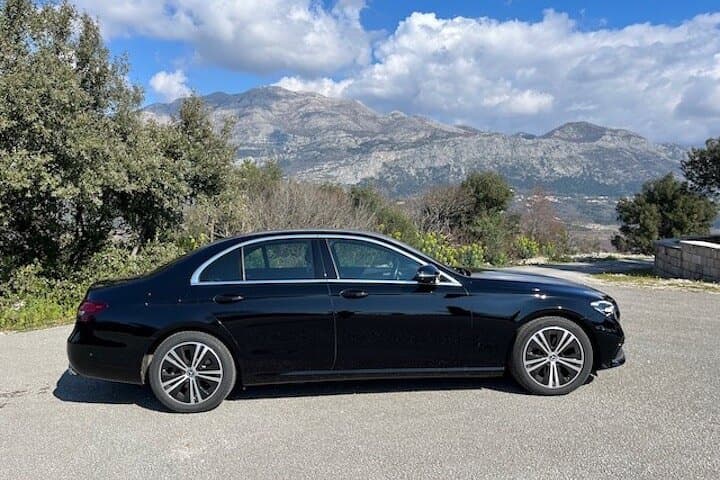
A pre-dawn shuffle through Dubrovnik streets gives way to miles of Adriatic coast—olive-splattered slopes, the Elafiti islands like dark coins on the sea—and then the road eases inland toward the Neretva Delta. The driver hums through small towns; the Pelješac Bridge arcs past, and fields of mandarins flash orange as you cross into Bosnia and Herzegovina.
Verified experiences and guided adventures in the surrounding area.
Operated by Perfect Travel Croatia · Medjugorje, Herzegovina-Neretva Canton
A pre-dawn shuffle through Dubrovnik streets gives way to miles of Adriatic coast—olive-splattered slopes, the Elafiti islands like dark coins on the sea—and then the road eases inland toward the Neretva Delta. The driver hums through small towns; the Pelješac Bridge arcs past, and fields of mandarins flash orange as you cross into Bosnia and Herzegovina.
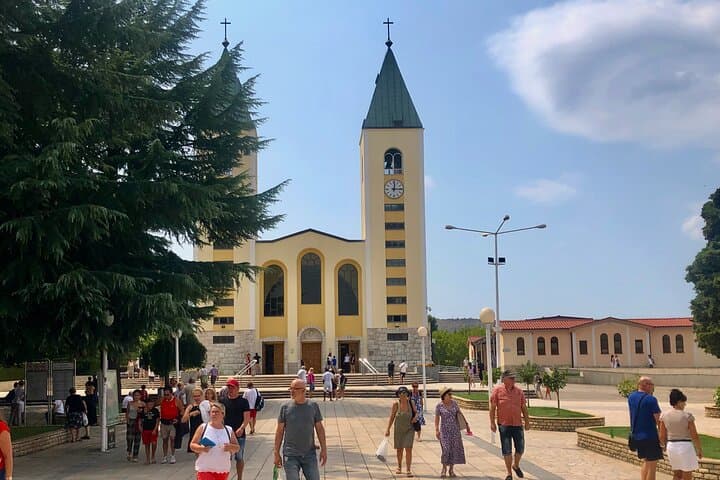
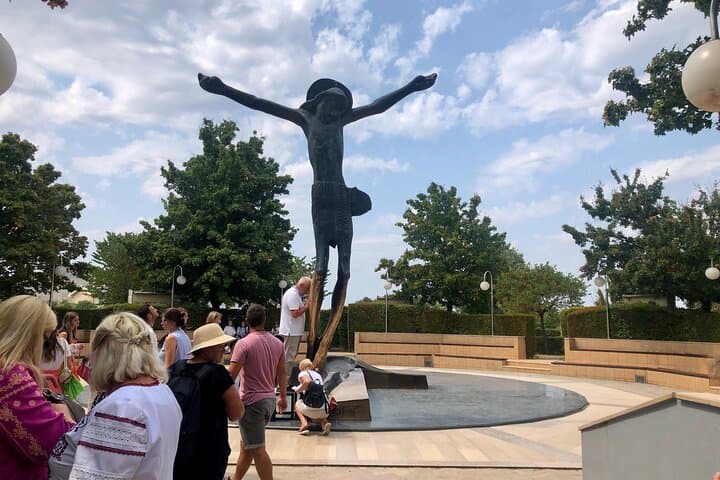
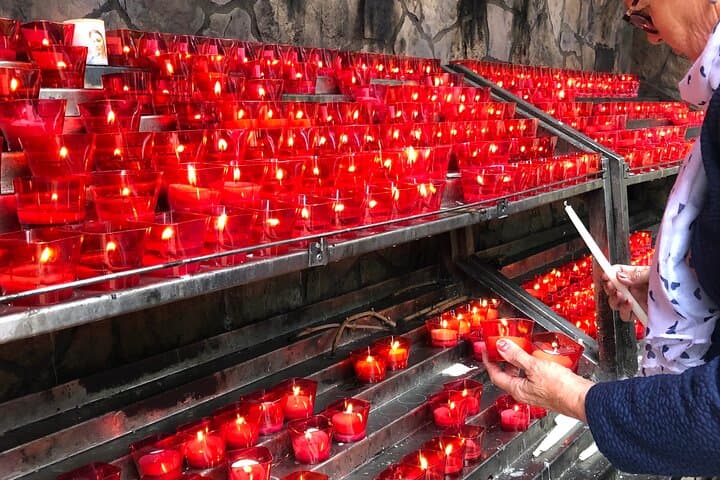
Medjugorje is a place of quiet momentum: St. James Church anchors the town, and the Apparition Hill pulls pilgrims upward where the steep footpath rewards patience with wide, sparse views of Herzegovina. Nearby, the house of Vicka Ivanković marks a modern chapter in local history—since 1981 the village has been shaped by pilgrimage, prayer, and an economy of hospitality. Geologically the region sits on karst limestone; the Trebižat River at Kravice forms tufa cascades that collect in broad pools and curtain down short cliffs.
Practically: this is a long day (about 10–11 hours) with border formalities, so bring your passport and local currency (BAM) and allow time for traffic. Expect an orientation drive through Medjugorje plus several hours of free time to explore St. James Church, climb the Apparition Hill, or sit in the park behind the church. On the return, Kravice Waterfalls offers a chance to wade or swim—entrance fees are paid on-site and footwear for slippery limestone is recommended.
Respect local customs at religious sites, start early to maximize daylight, and pack sun protection, water, and a lightweight rain layer for unsettled weather.
easy.
10–11 hours.
Suitable for travelers in average fitness; expect walking on uneven paths and a moderate climb up Apparition Hill.
No—entrance to Kravice Waterfalls is paid on-site; bring cash (BAM or euros) as card acceptance can be limited.
Visa requirements depend on your nationality—check entry rules for Bosnia and Herzegovina and carry your passport; the driver can assist with formalities.
Lunch is not included; you’ll have free time in Medjugorje to buy a meal at local restaurants or pack snacks for the day.
Yes—swimming is allowed in designated pools when conditions permit; wear water shoes and expect seasonal changes in water flow.
Medjugorje gained international attention after reported Marian apparitions beginning in 1981, transforming the village into a major pilgrimage destination; nearby Kravice formed from tufa deposition on the karst Trebižat River.
Kravice and the Trebižat are sensitive karst systems—stay on marked paths, avoid soap in the water, and pack out all trash to protect tufa formation and river habitats.
Perfect Travel Croatia operates guided outdoor trips and adventures with an emphasis on safety, stewardship, and memorable experiences.
A pre-dawn shuffle through Dubrovnik streets gives way to miles of Adriatic coast—olive-splattered slopes, the Elafiti islands like dark coins on the sea—and then the road eases inland toward the Neretva Delta. The driver hums through small towns; the Pelješac Bridge arcs past, and fields of mandarins flash orange as you cross into Bosnia and Herzegovina.
A pre-dawn shuffle through Dubrovnik streets gives way to miles of Adriatic coast—olive-splattered slopes, the Elafiti islands like dark coins on the sea—and then the road eases inland toward the Neretva Delta. The driver hums through small towns; the Pelješac Bridge arcs past, and fields of mandarins flash orange as you cross into Bosnia and Herzegovina.
Medjugorje is a place of quiet momentum: St. James Church anchors the town, and the Apparition Hill pulls pilgrims upward where the steep footpath rewards patience with wide, sparse views of Herzegovina. Nearby, the house of Vicka Ivanković marks a modern chapter in local history—since 1981 the village has been shaped by pilgrimage, prayer, and an economy of hospitality. Geologically the region sits on karst limestone; the Trebižat River at Kravice forms tufa cascades that collect in broad pools and curtain down short cliffs.
Practically: this is a long day (about 10–11 hours) with border formalities, so bring your passport and local currency (BAM) and allow time for traffic. Expect an orientation drive through Medjugorje plus several hours of free time to explore St. James Church, climb the Apparition Hill, or sit in the park behind the church. On the return, Kravice Waterfalls offers a chance to wade or swim—entrance fees are paid on-site and footwear for slippery limestone is recommended.
Respect local customs at religious sites, start early to maximize daylight, and pack sun protection, water, and a lightweight rain layer for unsettled weather.