THE ADVENTURE COLLECTIVE® · Independent discovery and booking for outdoor travel

Walk straight into the medina’s pulse: a four-hour guided loop from Koutoubia to Jemaa el-Fna that mixes history, artisans, and practical tips. Ideal for first-time visitors who want cultural context and an efficient introduction to Marrakech’s souks and palaces.
Walk straight into the medina’s pulse: a four-hour guided loop from Koutoubia to Jemaa el-Fna that mixes history, artisans, and practical tips. Ideal for first-time visitors who want cultural context and an efficient introduction to Marrakech’s souks and palaces.
You emerge from a narrow lane into the sudden pulse of Jemaa el-Fna — spice steam rising, vendors calling, the square pushing you forward into the heart of the medina.
Verified experiences and guided adventures in the surrounding area.
Operated by Marrakech City Tours · Marrakech, Marrakech-Safi
You emerge from a narrow lane into the sudden pulse of Jemaa el-Fna — spice steam rising, vendors calling, the square pushing you forward into the heart of the medina.
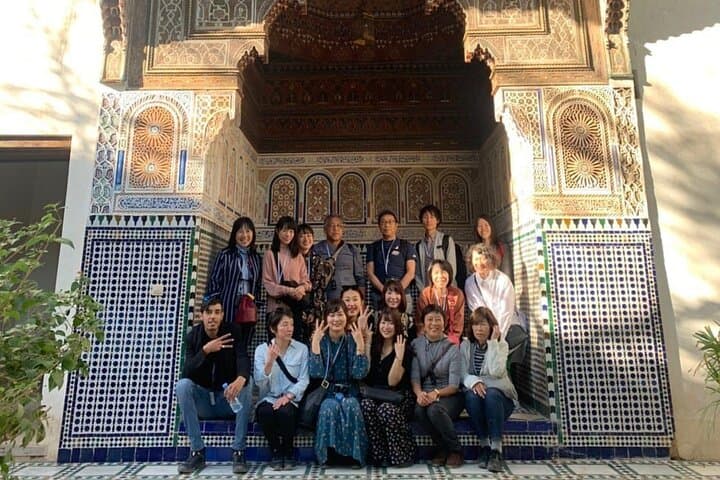
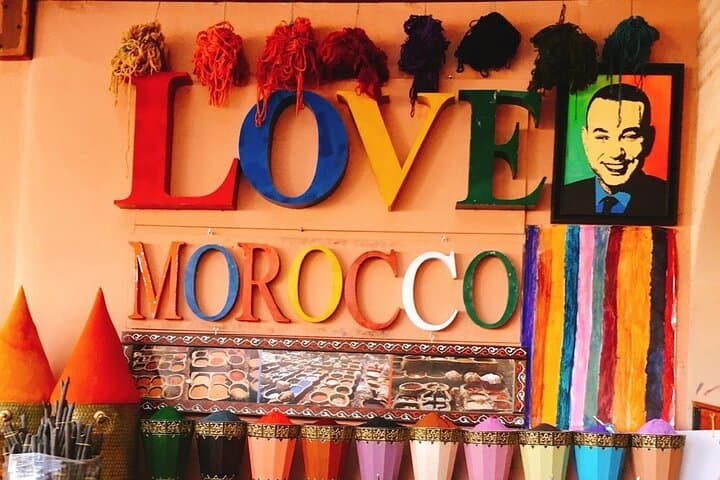
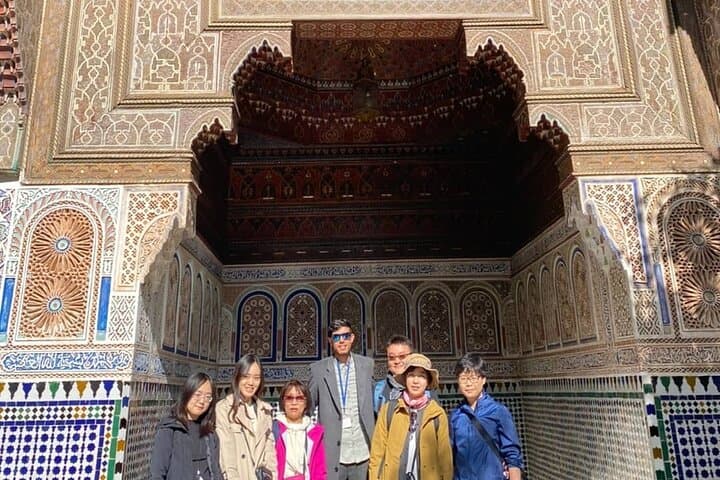
The four-hour walking tour threads through Marrakech’s medieval core, pausing at the 12th-century Koutoubia mosque to outline Almohad architecture, then moving through the Kasbah and the Bahia Palace with its late 19th-century courtyards. Guides narrate the Mellah’s Jewish history, and the group slips into the souks where artisans shape metal, dye leather, and fold bright textiles.
Geology and urban form show in the ochre walls: local red sands and clays baked into the city’s color, while alley geometry traces centuries of social patterns — public squares, private riads, and caravan routes once connecting the Atlas to the Sahara.
Practical notes come with the storytelling. The Ben Youssef madrasa requires a separate entry ticket; wear comfortable shoes for uneven flagstones and bring water, especially in summer where midday heat can spike. Expect light walking (suitable for most fitness levels) and groups of up to 15.
Cultural courtesies matter: dress modestly, ask before photographing people, and keep small change for market purchases and tips. The tour balances history and living craft, giving travelers both orientation and avenues to explore further by foot or rooftop cafés after the guided loop ends.
For first-time visitors this is a compact, sensory primer to Marrakech — part city orientation, part market masterclass, and a practical introduction to navigating the medina’s layered history and daily life.
easy.
3.5–4 hours.
Light walking ability; comfortable on uneven ground and able to stand for short presentations.
Some stops like the Bahia Palace and Ben Youssef Madrasa often require separate entrance tickets, which are not always included in the base tour price.
Yes; the tour is rated physically easy and infants may sit on an adult’s lap, but be prepared for crowds and sensory stimulation in the main square.
Guides are licensed and typically available in several languages; check booking details to confirm language availability for your date.
The tour operator may cancel due to bad weather; their policy allows refund or rescheduling if conditions make the walking route unsafe.
Marrakech was founded in 1062 and grew under Almoravid and Almohad dynasties; the medina preserves architecture and urban patterns dating to the 11th–12th centuries.
Travelers can reduce impact by using refillable bottles, choosing local artisans over imported souvenirs, and respecting signage in protected monuments to help preserve fragile historic fabric.
Marrakech City Tours operates guided outdoor trips and adventures with an emphasis on safety, stewardship, and memorable experiences.
You emerge from a narrow lane into the sudden pulse of Jemaa el-Fna — spice steam rising, vendors calling, the square pushing you forward into the heart of the medina.
You emerge from a narrow lane into the sudden pulse of Jemaa el-Fna — spice steam rising, vendors calling, the square pushing you forward into the heart of the medina.
The four-hour walking tour threads through Marrakech’s medieval core, pausing at the 12th-century Koutoubia mosque to outline Almohad architecture, then moving through the Kasbah and the Bahia Palace with its late 19th-century courtyards. Guides narrate the Mellah’s Jewish history, and the group slips into the souks where artisans shape metal, dye leather, and fold bright textiles.
Geology and urban form show in the ochre walls: local red sands and clays baked into the city’s color, while alley geometry traces centuries of social patterns — public squares, private riads, and caravan routes once connecting the Atlas to the Sahara.
Practical notes come with the storytelling. The Ben Youssef madrasa requires a separate entry ticket; wear comfortable shoes for uneven flagstones and bring water, especially in summer where midday heat can spike. Expect light walking (suitable for most fitness levels) and groups of up to 15.
Cultural courtesies matter: dress modestly, ask before photographing people, and keep small change for market purchases and tips. The tour balances history and living craft, giving travelers both orientation and avenues to explore further by foot or rooftop cafés after the guided loop ends.
For first-time visitors this is a compact, sensory primer to Marrakech — part city orientation, part market masterclass, and a practical introduction to navigating the medina’s layered history and daily life.