THE ADVENTURE COLLECTIVE® · Independent discovery and booking for outdoor travel

Explore Medina’s museums and landmarks on a private 3–5 hour guided tour that combines the Prophet’s history, mosque architecture, and museum narratives. Practical for first-time visitors, the tour balances indoor exhibits with short walks between sites.
Explore Medina’s museums and landmarks on a private 3–5 hour guided tour that combines the Prophet’s history, mosque architecture, and museum narratives. Practical for first-time visitors, the tour balances indoor exhibits with short walks between sites.
Dawn light slides across wide courtyards and the call to prayer threads through the air as a small private group steps out into Medina. The city moves with purpose—pilgrims, shopkeepers, and guides—each footstep tracing a history that begins here with the Hijra and spreads into the museums, mosques, and old stone streets the tour visits.
Verified experiences and guided adventures in the surrounding area.
Operated by Tourism in Medina · Medina, Al Madinah
Dawn light slides across wide courtyards and the call to prayer threads through the air as a small private group steps out into Medina. The city moves with purpose—pilgrims, shopkeepers, and guides—each footstep tracing a history that begins here with the Hijra and spreads into the museums, mosques, and old stone streets the tour visits.
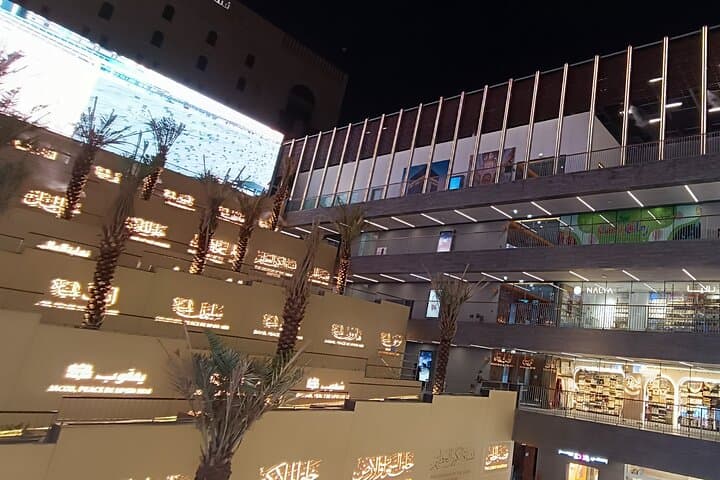
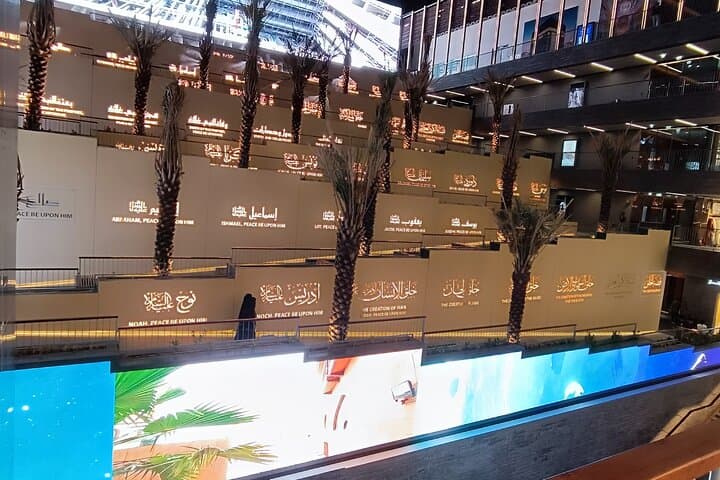
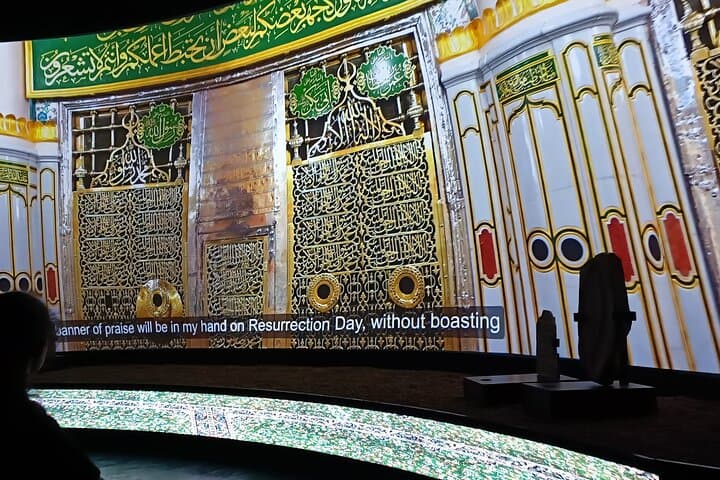
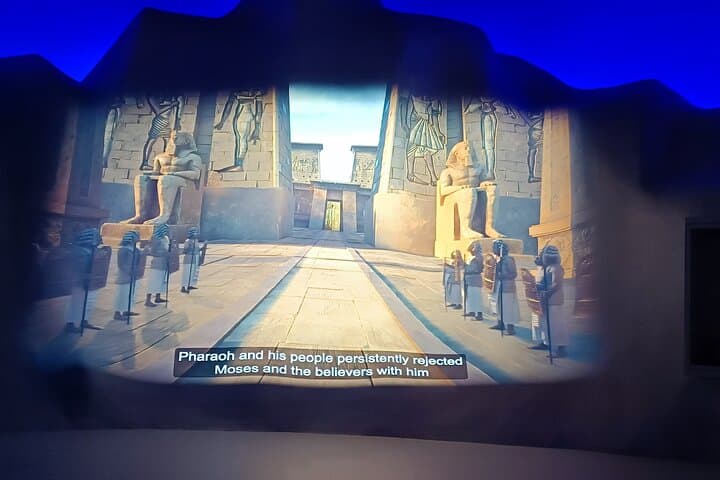
This guided route focuses on civic memory: museums that interpret creation narratives, galleries that chart the Prophet’s life, and architectural stages of the Prophet’s Mosque. Geologically the area sits on an inland plain edged by the Harrat basalt fields to the west; the landscape shaped travel and settlement patterns that made Medina a crossroads in the Arabian Peninsula.
Culturally, visits are framed by religious practice—prayer times, gendered spaces, and quiet reverence inside sacred sites. Guides explain provenance of artifacts, the evolution of mosque architecture, and the city’s role as the early Islamic polity.
Practical guidance: expect 3–5 hours of mostly flat walking, short museum talks of 40–60 minutes, and indoor/outdoor transitions. Dress modestly (shoulders and knees covered), carry water and a sun layer, and plan morning or late-afternoon departures to avoid peak heat. Photography rules vary by site—ask the guide before shooting.
Accessibility is generally good; air-conditioned vehicles and museum entrances are often step-free. The experience is primarily interpretive rather than strenuous—best for travelers who want historical depth, clear logistics, and a paced, respectful look at one of Islam’s most important cities.
easy.
3–5 hours.
Suitable for most fitness levels; involves several blocks of walking and standing in museums.
No; non-Muslims may join museum visits and most external landmarks, but entry to certain areas of some mosques may be restricted—your guide will advise.
Many museum spaces and the tour vehicle are wheelchair accessible; confirm mobility needs when booking so the operator can prepare.
Yes—guides accommodate prayer breaks and can lead you to designated prayer areas if needed; schedule flexibility is recommended.
Large luggage is not practical during the walking portions; leave bags at your hotel or the vehicle—small daypacks are fine.
Medina is the second-holiest city in Islam and the site of the Prophet Muhammad’s migration (Hijra) in 622 CE; urban growth here traces the early Islamic community and its institutions.
Visitors should respect sacred spaces, follow signage, and avoid littering; staying on established routes and following guide instructions helps protect fragile heritage areas.
Tourism in Medina operates guided outdoor trips and adventures with an emphasis on safety, stewardship, and memorable experiences.
Dawn light slides across wide courtyards and the call to prayer threads through the air as a small private group steps out into Medina. The city moves with purpose—pilgrims, shopkeepers, and guides—each footstep tracing a history that begins here with the Hijra and spreads into the museums, mosques, and old stone streets the tour visits.
Dawn light slides across wide courtyards and the call to prayer threads through the air as a small private group steps out into Medina. The city moves with purpose—pilgrims, shopkeepers, and guides—each footstep tracing a history that begins here with the Hijra and spreads into the museums, mosques, and old stone streets the tour visits.
This guided route focuses on civic memory: museums that interpret creation narratives, galleries that chart the Prophet’s life, and architectural stages of the Prophet’s Mosque. Geologically the area sits on an inland plain edged by the Harrat basalt fields to the west; the landscape shaped travel and settlement patterns that made Medina a crossroads in the Arabian Peninsula.
Culturally, visits are framed by religious practice—prayer times, gendered spaces, and quiet reverence inside sacred sites. Guides explain provenance of artifacts, the evolution of mosque architecture, and the city’s role as the early Islamic polity.
Practical guidance: expect 3–5 hours of mostly flat walking, short museum talks of 40–60 minutes, and indoor/outdoor transitions. Dress modestly (shoulders and knees covered), carry water and a sun layer, and plan morning or late-afternoon departures to avoid peak heat. Photography rules vary by site—ask the guide before shooting.
Accessibility is generally good; air-conditioned vehicles and museum entrances are often step-free. The experience is primarily interpretive rather than strenuous—best for travelers who want historical depth, clear logistics, and a paced, respectful look at one of Islam’s most important cities.