THE ADVENTURE COLLECTIVE® · Independent discovery and booking for outdoor travel

Trace Madrid’s medieval roots on a 2.5-hour small-group walking tour that reveals hidden walls, former mosque towers and secret gardens. Includes a tapa and drink and is suitable for most fitness levels.
Trace Madrid’s medieval roots on a 2.5-hour small-group walking tour that reveals hidden walls, former mosque towers and secret gardens. Includes a tapa and drink and is suitable for most fitness levels.
You step out beneath the statue of King Felipe IV in Plaza de Oriente and the city presses close: narrow streets, shadowed doorways, and stone that remembers other rulers. The guide sets a steady pace through alleys where sunlight slices between tall facades, pointing out a medieval Muslim wall tucked into a garden and the compact blocks that once formed a military town.
Verified experiences and guided adventures in the surrounding area.
Operated by Buzziler · Madrid, Comunidad de Madrid
You step out beneath the statue of King Felipe IV in Plaza de Oriente and the city presses close: narrow streets, shadowed doorways, and stone that remembers other rulers. The guide sets a steady pace through alleys where sunlight slices between tall facades, pointing out a medieval Muslim wall tucked into a garden and the compact blocks that once formed a military town.
Madrid’s center grew from a strategic hilltop in the Middle Ages; the walk threads together layers of Arabic, Jewish and Christian influence visible in street patterns, converted mosque towers and the Tower and Palace of Los Lujanes. The landscape is urban geology — compact granites and reused Roman stones — and small green rooms like a former convent orchard offer quiet contrast to broad plazas where tournaments once drew crowds.
Local life is immediate: café terraces steam, markets hum, and even pigeons patrol the plazas with practiced boldness. Guides on this small-group route point out hidden courtyards and the quieter lanes that most visitors miss, plus a tapa and drink stop to sample contemporary Madrid alongside its past.
Practical notes: the tour lasts about 2.5 hours, covers uneven cobbles and short flights of steps, and suits most fitness levels. Mornings are cooler for walking; late afternoon offers better light for photos. Bring comfortable shoes, a light layer, and keep valuables secure — central Madrid attracts pickpockets. The group size is capped to keep movement nimble and access to small spaces easier.
easy.
2–3 hours.
Suitable for most fitness levels; expect 2–3 miles of walking on uneven pavements and short stair sections.
The meeting point is at the monument to King Felipe IV in Plaza de Oriente, beside the Royal Palace; the guide will be waiting there.
Yes — the tour notes indicate wheelchair and stroller accessibility, though some historic paving can be uneven.
Yes — the price includes one tapa and one drink (wine, beer or soft drink) during the tour.
This listing typically runs in English; check the booking page for availability and language options for your date.
Madrid began as a fortified Muslim settlement in the 9th–10th centuries and later absorbed Jewish and Christian quarters; many streets reflect that layered past.
Respect for historic fabric is important — avoid touching fragile masonry, stay on public paths, and support local businesses to keep historic neighborhoods vibrant.
Buzziler operates guided outdoor trips and adventures with an emphasis on safety, stewardship, and memorable experiences.


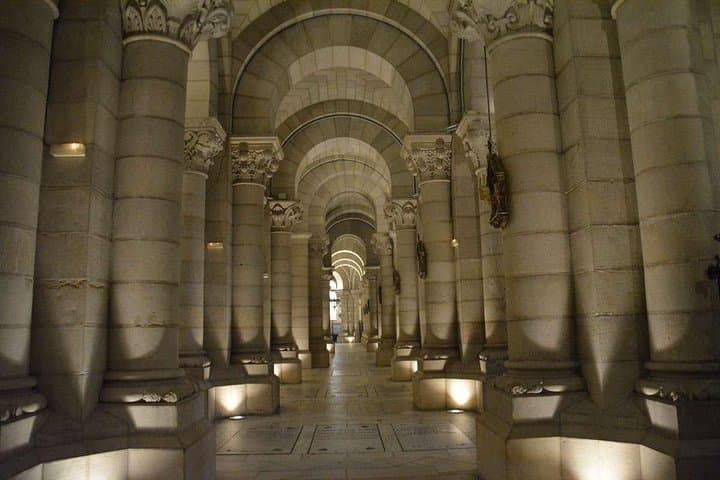

You step out beneath the statue of King Felipe IV in Plaza de Oriente and the city presses close: narrow streets, shadowed doorways, and stone that remembers other rulers. The guide sets a steady pace through alleys where sunlight slices between tall facades, pointing out a medieval Muslim wall tucked into a garden and the compact blocks that once formed a military town.
You step out beneath the statue of King Felipe IV in Plaza de Oriente and the city presses close: narrow streets, shadowed doorways, and stone that remembers other rulers. The guide sets a steady pace through alleys where sunlight slices between tall facades, pointing out a medieval Muslim wall tucked into a garden and the compact blocks that once formed a military town.
Madrid’s center grew from a strategic hilltop in the Middle Ages; the walk threads together layers of Arabic, Jewish and Christian influence visible in street patterns, converted mosque towers and the Tower and Palace of Los Lujanes. The landscape is urban geology — compact granites and reused Roman stones — and small green rooms like a former convent orchard offer quiet contrast to broad plazas where tournaments once drew crowds.
Local life is immediate: café terraces steam, markets hum, and even pigeons patrol the plazas with practiced boldness. Guides on this small-group route point out hidden courtyards and the quieter lanes that most visitors miss, plus a tapa and drink stop to sample contemporary Madrid alongside its past.
Practical notes: the tour lasts about 2.5 hours, covers uneven cobbles and short flights of steps, and suits most fitness levels. Mornings are cooler for walking; late afternoon offers better light for photos. Bring comfortable shoes, a light layer, and keep valuables secure — central Madrid attracts pickpockets. The group size is capped to keep movement nimble and access to small spaces easier.