THE ADVENTURE COLLECTIVE® · Independent discovery and booking for outdoor travel

Walk central London with an Oxford historian who explains not just what happened but why. This 2.5-hour private tour visits Norman churches, medieval walls, and Templar sites with included church admissions.
Walk central London with an Oxford historian who explains not just what happened but why. This 2.5-hour private tour visits Norman churches, medieval walls, and Templar sites with included church admissions.
Stand at the west steps of St Paul’s and the city shifts: stone and smoke from long ago press close, bell towers mark centuries, and pavements remember footfalls of merchants, monks, and magistrates. On this guided walk, an Oxford DPhil historian guides small groups through central London’s medieval spine — churches that survived fire and bombs, fragments of the old city wall, and hidden lanes where legal and mercantile power took shape.
Verified experiences and guided adventures in the surrounding area.
Operated by Historic Tours of England · London, Greater London
Stand at the west steps of St Paul’s and the city shifts: stone and smoke from long ago press close, bell towers mark centuries, and pavements remember footfalls of merchants, monks, and magistrates. On this guided walk, an Oxford DPhil historian guides small groups through central London’s medieval spine — churches that survived fire and bombs, fragments of the old city wall, and hidden lanes where legal and mercantile power took shape.
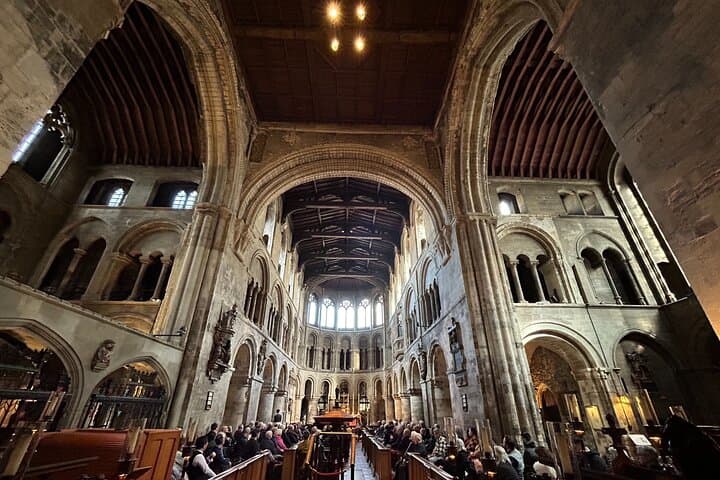
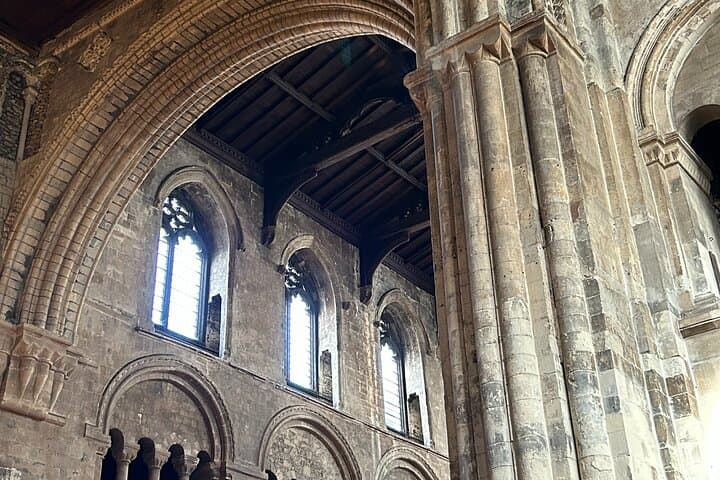
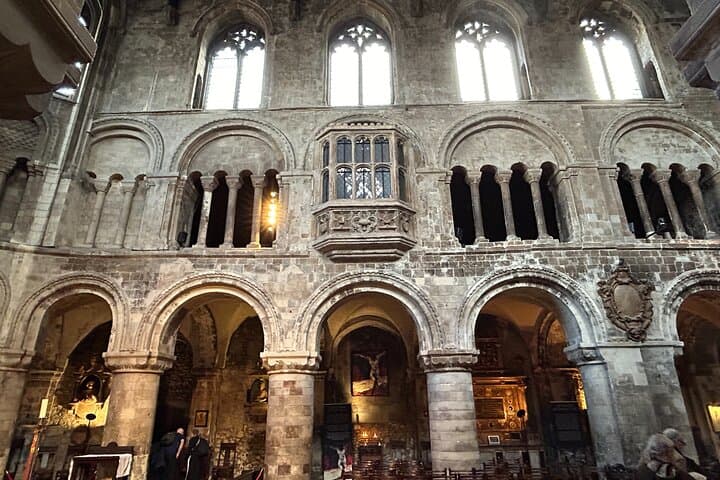
The route threads sites that predate the Great Fire of 1666 and those rebuilt afterward by Christopher Wren. Norman arches in St Bartholomew-the-Great contrast with later medieval vaulting in the Templar-linked church, showing how ecclesiastical architecture adapted across centuries. Expect practical local color: how the Reformation and Civil War altered parish life, why the city’s walls shaped trade routes, and where the Knights Templar left marks that fed later legend.
This is primarily a cultural and historical walk, not a hike: 2.5 hours on paved city streets, frequent stops for interpretation, and two paid church admissions included. Plan for steady walking, variable London weather, and intermittent crowds — midday is busiest. Bring a travel card for transit before or after the loop; keep valuables secure in dense areas. Listen for the guide’s contextual threads linking buildings to national events — it’s a narrative tour as much as an architectural one.
Practical: wear supportive shoes, bring a lightweight rain layer, and arrive 10 minutes early to join promptly. The experience favors curiosity over endurance; it rewards readers of history with a sharper sense of place.
easy.
2.5 hours.
Able to walk and stand for stretches over paved city surfaces for 2.5 hours; suitable for most fitness levels
Yes — the tour listing includes admission costs to the venues named on the itinerary.
The guide meets at the west end of St Paul’s Cathedral by the grand steps; arrive 10 minutes early to check in.
Some stops have steps and historic interiors that limit accessibility; contact the operator to discuss needs before booking.
Full refunds are available if you cancel at least 24 hours before the scheduled departure time.
This route highlights churches and sites that predate the Great Fire (1666) and survived later events such as the Reformation and World War II bombing.
Historic churches rely on visitor donations and careful foot traffic; stay on marked paths, avoid touching fragile carvings, and support site conservation where possible.
Historic Tours of England operates guided outdoor trips and adventures with an emphasis on safety, stewardship, and memorable experiences.
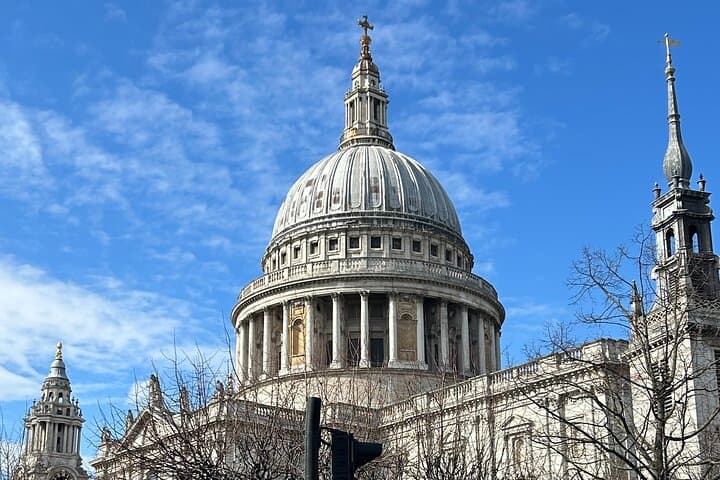
Stand at the west steps of St Paul’s and the city shifts: stone and smoke from long ago press close, bell towers mark centuries, and pavements remember footfalls of merchants, monks, and magistrates. On this guided walk, an Oxford DPhil historian guides small groups through central London’s medieval spine — churches that survived fire and bombs, fragments of the old city wall, and hidden lanes where legal and mercantile power took shape.
Stand at the west steps of St Paul’s and the city shifts: stone and smoke from long ago press close, bell towers mark centuries, and pavements remember footfalls of merchants, monks, and magistrates. On this guided walk, an Oxford DPhil historian guides small groups through central London’s medieval spine — churches that survived fire and bombs, fragments of the old city wall, and hidden lanes where legal and mercantile power took shape.
The route threads sites that predate the Great Fire of 1666 and those rebuilt afterward by Christopher Wren. Norman arches in St Bartholomew-the-Great contrast with later medieval vaulting in the Templar-linked church, showing how ecclesiastical architecture adapted across centuries. Expect practical local color: how the Reformation and Civil War altered parish life, why the city’s walls shaped trade routes, and where the Knights Templar left marks that fed later legend.
This is primarily a cultural and historical walk, not a hike: 2.5 hours on paved city streets, frequent stops for interpretation, and two paid church admissions included. Plan for steady walking, variable London weather, and intermittent crowds — midday is busiest. Bring a travel card for transit before or after the loop; keep valuables secure in dense areas. Listen for the guide’s contextual threads linking buildings to national events — it’s a narrative tour as much as an architectural one.
Practical: wear supportive shoes, bring a lightweight rain layer, and arrive 10 minutes early to join promptly. The experience favors curiosity over endurance; it rewards readers of history with a sharper sense of place.