THE ADVENTURE COLLECTIVE® · Independent discovery and booking for outdoor travel

Spend a full day driving a Carpathian pass to visit Bran Castle and Brașov’s preserved fortifications. This private tour combines historical insight with short walks through cobbled streets and elevated bastions—ideal for travelers who want depth without a rushed group pace.
Spend a full day driving a Carpathian pass to visit Bran Castle and Brașov’s preserved fortifications. This private tour combines historical insight with short walks through cobbled streets and elevated bastions—ideal for travelers who want depth without a rushed group pace.
You crest the Carpathian pass just as mist lifts off dark firs; the road unfurls toward stone ramparts that have watched borders shift for centuries. Windows in the coach frame slivers of bell towers and steep roofs—an opening salvo to a day spent tracing defensive walls, Saxon houses and the castle that sparked a legend.
Verified experiences and guided adventures in the surrounding area.
Operated by Romania On The Map · Bran, Brașov County
You crest the Carpathian pass just as mist lifts off dark firs; the road unfurls toward stone ramparts that have watched borders shift for centuries. Windows in the coach frame slivers of bell towers and steep roofs—an opening salvo to a day spent tracing defensive walls, Saxon houses and the castle that sparked a legend.
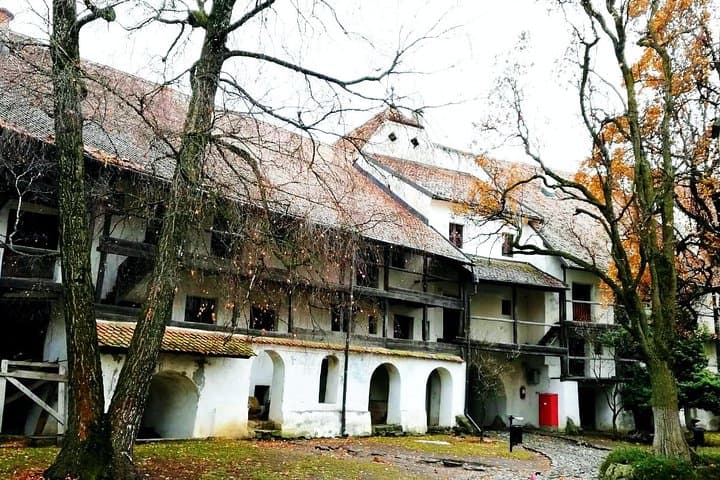
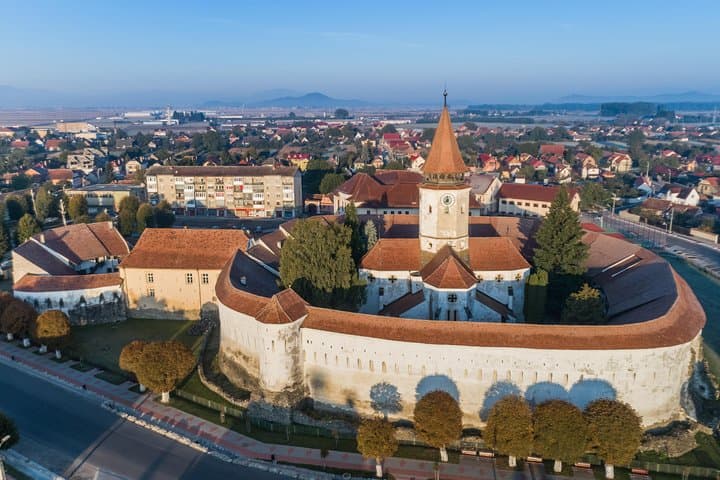
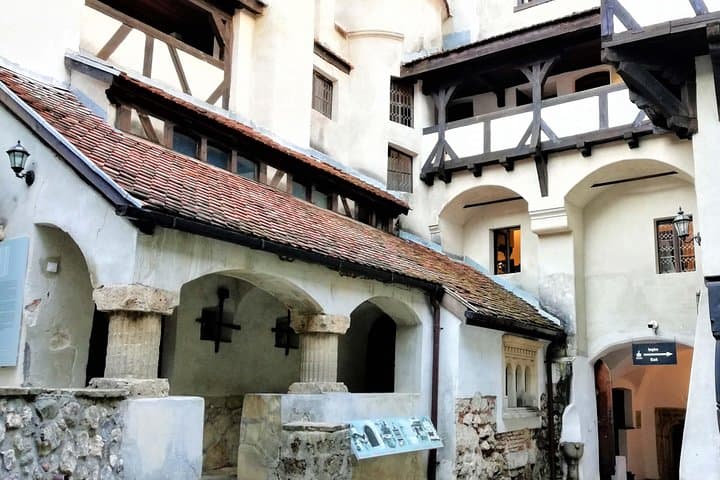
These fortifications grew from medieval necessity: towns like Brașov fortified themselves against Ottoman raids and wandering warbands. Saxon settlers shaped the architecture—thick masonry, fortified churches with narrow loopholes and wooden galleries—while the geology of southern Carpathians supplied the local sandstone and limestone blocks that give walls their ochre tone and durability.
Culturally the region is layered: Hungarian, Romanian and Saxon influences show in language, cuisine and craft. Guides will point out masonry repairs from the 17th–20th centuries and tell how communities tightened defenses around churches and market squares. The day’s rhythm alternates driving through mountain scenery and walking on cobbled streets and staircut paths up to bastions and viewpoints.
Plan for a long day: expect 9–11 hours including hotel pickup in Bucharest, road time, and multiple short walks—some on uneven stone and stairs. Bring sturdy shoes, layered clothing for the mountain breeze, water and a modest daypack. Photography opportunities are constant—arrive early at major sites to avoid crowds. If you need mobility accommodations, ask about walk lengths when booking; private pickup and an English-speaking guide are standard on this tour.
moderate.
9–11 hours.
Moderate fitness needed—able to handle multiple short walks, stair climbs, and periods standing during tours.
No—this tour typically covers transport and guide services; entrance fees to castles or museums are usually paid on-site.
Expect roughly 2.5–3.5 hours each way depending on traffic and exact itinerary, making this a full 9–11 hour day trip.
Yes, if participants can manage short walks and stairs; mobility limitations should be communicated when booking so guides can adapt the route.
Most providers offer hotel or apartment pickup within Bucharest—confirm your specific pickup address during booking.
Transylvania’s fortified towns and churches were shaped by Saxon settlers and medieval defensive needs; many structures date from the 13th–17th centuries with later restorations.
Historic sites require careful visitor behavior—stay on marked paths and avoid touching frescoes; local conservation efforts focus on masonry restoration and limiting visitor impact.
Romania On The Map operates guided outdoor trips and adventures with an emphasis on safety, stewardship, and memorable experiences.

You crest the Carpathian pass just as mist lifts off dark firs; the road unfurls toward stone ramparts that have watched borders shift for centuries. Windows in the coach frame slivers of bell towers and steep roofs—an opening salvo to a day spent tracing defensive walls, Saxon houses and the castle that sparked a legend.
You crest the Carpathian pass just as mist lifts off dark firs; the road unfurls toward stone ramparts that have watched borders shift for centuries. Windows in the coach frame slivers of bell towers and steep roofs—an opening salvo to a day spent tracing defensive walls, Saxon houses and the castle that sparked a legend.
These fortifications grew from medieval necessity: towns like Brașov fortified themselves against Ottoman raids and wandering warbands. Saxon settlers shaped the architecture—thick masonry, fortified churches with narrow loopholes and wooden galleries—while the geology of southern Carpathians supplied the local sandstone and limestone blocks that give walls their ochre tone and durability.
Culturally the region is layered: Hungarian, Romanian and Saxon influences show in language, cuisine and craft. Guides will point out masonry repairs from the 17th–20th centuries and tell how communities tightened defenses around churches and market squares. The day’s rhythm alternates driving through mountain scenery and walking on cobbled streets and staircut paths up to bastions and viewpoints.
Plan for a long day: expect 9–11 hours including hotel pickup in Bucharest, road time, and multiple short walks—some on uneven stone and stairs. Bring sturdy shoes, layered clothing for the mountain breeze, water and a modest daypack. Photography opportunities are constant—arrive early at major sites to avoid crowds. If you need mobility accommodations, ask about walk lengths when booking; private pickup and an English-speaking guide are standard on this tour.