THE ADVENTURE COLLECTIVE® · Independent discovery and booking for outdoor travel

Walk four hours through Fatimid and Mamluk streets on a guided shopping tour of El Ghorya, Gamalia, El Mosky and Khan El Khalili. Expect bargaining, historic workshops, and authentic Cairo market culture.
Walk four hours through Fatimid and Mamluk streets on a guided shopping tour of El Ghorya, Gamalia, El Mosky and Khan El Khalili. Expect bargaining, historic workshops, and authentic Cairo market culture.
You step from an air-conditioned van into a pulse of sound: vendors calling, cups clinking in a nearby coffeehouse, the aroma of spices threading the alleys. The guide folds a hand-drawn route into your palm and the maze of medieval Cairo opens — narrow lanes that have moved goods and people for centuries.
Verified experiences and guided adventures in the surrounding area.
Operated by This is Egypt Tours · Cairo, Cairo Governorate
You step from an air-conditioned van into a pulse of sound: vendors calling, cups clinking in a nearby coffeehouse, the aroma of spices threading the alleys. The guide folds a hand-drawn route into your palm and the maze of medieval Cairo opens — narrow lanes that have moved goods and people for centuries.
This walking tour threads through Fatimid and Mamluk-era streets. Start at El Ghorya market on Al-Muizz where Ottoman and Fatimid influences still shape façades, then follow Gamalia Street toward El Mosky and the historic Khan El Khalili bazaar, a commercial hub since the 14th century. Geologically the city sits on the Nile’s floodplain, and its markets grew where river traffic met urban trade; many older buildings reuse local limestone and brick.
Culturally, expect a mix of religious sites, small artisanal workshops, and cafés like the old Fishawi’s where locals gather. Locals prize bargaining, and shops range from brassware and leather to textiles and jewelry; this is as much about conversation as commerce.
Practical guidance: the tour is four hours with hotel pickup, so wear comfortable walking shoes and keep small bills for purchases. Carry a lightweight layer for mosque visits and a secure money pouch. Mornings are cooler and less crowded; midafternoon can be intense with heat and people.
Safety and etiquette are straightforward: ask before photographing people, respect prayer spaces, and support reputable shops to help sustain traditional crafts. By the end of the day you leave with goods in hand and a clearer sense of how Cairo’s markets still drive daily life.
easy.
4 hours.
Suitable for most fitness levels; involves walking on uneven pavements and standing during bargaining.
Yes—pickup and drop-off from most central Cairo hotels is included; airport transfers may incur an extra fee.
Most small stalls are cash-only; some established shops accept cards but always carry cash for purchases and tips.
The operator lists the tour as wheelchair accessible, but some lanes are narrow and uneven—contact the provider in advance to confirm specific needs.
Yes—local guides commonly assist with prices and can recommend reputable shops and fair ranges for bargaining.
Khan El Khalili developed into a major trading quarter in the Mamluk period (14th century) and has long been a center for craftsmen and merchants in Cairo’s old city.
Historic buildings and artisan workshops are sensitive to heavy foot traffic—support local craftspeople directly and avoid littering to reduce impact on these neighborhoods.
This is Egypt Tours operates guided outdoor trips and adventures with an emphasis on safety, stewardship, and memorable experiences.

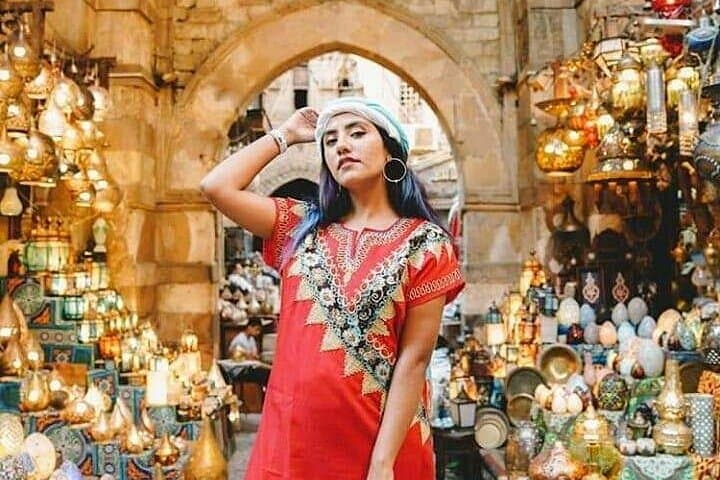
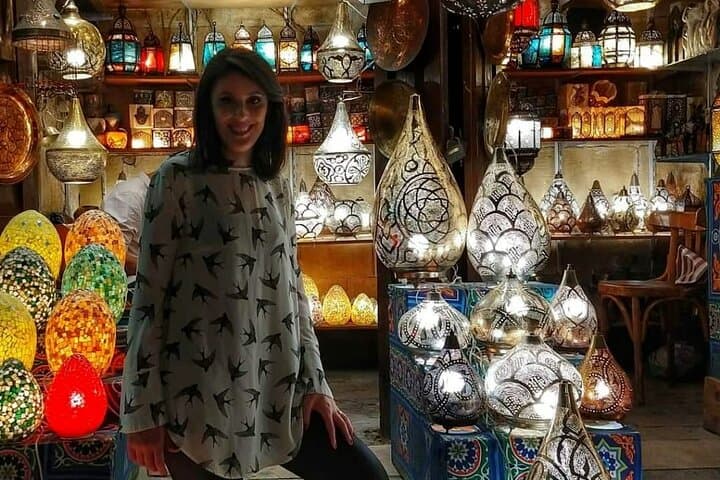

You step from an air-conditioned van into a pulse of sound: vendors calling, cups clinking in a nearby coffeehouse, the aroma of spices threading the alleys. The guide folds a hand-drawn route into your palm and the maze of medieval Cairo opens — narrow lanes that have moved goods and people for centuries.
You step from an air-conditioned van into a pulse of sound: vendors calling, cups clinking in a nearby coffeehouse, the aroma of spices threading the alleys. The guide folds a hand-drawn route into your palm and the maze of medieval Cairo opens — narrow lanes that have moved goods and people for centuries.
This walking tour threads through Fatimid and Mamluk-era streets. Start at El Ghorya market on Al-Muizz where Ottoman and Fatimid influences still shape façades, then follow Gamalia Street toward El Mosky and the historic Khan El Khalili bazaar, a commercial hub since the 14th century. Geologically the city sits on the Nile’s floodplain, and its markets grew where river traffic met urban trade; many older buildings reuse local limestone and brick.
Culturally, expect a mix of religious sites, small artisanal workshops, and cafés like the old Fishawi’s where locals gather. Locals prize bargaining, and shops range from brassware and leather to textiles and jewelry; this is as much about conversation as commerce.
Practical guidance: the tour is four hours with hotel pickup, so wear comfortable walking shoes and keep small bills for purchases. Carry a lightweight layer for mosque visits and a secure money pouch. Mornings are cooler and less crowded; midafternoon can be intense with heat and people.
Safety and etiquette are straightforward: ask before photographing people, respect prayer spaces, and support reputable shops to help sustain traditional crafts. By the end of the day you leave with goods in hand and a clearer sense of how Cairo’s markets still drive daily life.