THE ADVENTURE COLLECTIVE® · Independent discovery and booking for outdoor travel

Walk the lanes of medieval Cairo on a guided shopping tour through Gamalia, El Mosky and the famed Khan el-Khalili. Learn where to find authentic brassware, leather goods and quiet coffeehouse corners while getting practical tips for bargaining and safety.
Walk the lanes of medieval Cairo on a guided shopping tour through Gamalia, El Mosky and the famed Khan el-Khalili. Learn where to find authentic brassware, leather goods and quiet coffeehouse corners while getting practical tips for bargaining and safety.
You step from an air-conditioned car into Gamalia Street and the city exhales — spices, coffee smoke and bargaining voices roll together like a living market map. Narrow lanes open and close around you; merchants display brassware and hammered copper, leather hangings sway beside strings of beads, and the rhythm of hawkers sets the pace.
Verified experiences and guided adventures in the surrounding area.
Operated by This Is Egypt · Cairo, Cairo Governorate
You step from an air-conditioned car into Gamalia Street and the city exhales — spices, coffee smoke and bargaining voices roll together like a living market map. Narrow lanes open and close around you; merchants display brassware and hammered copper, leather hangings sway beside strings of beads, and the rhythm of hawkers sets the pace.
This route threads Fatimid-era alleys where commerce has run continuously for centuries. Khan el-Khalili, established during the Mamluk period, grew from caravan trade into the dense bazaar complex seen today. Buildings here show layers of Cairo's past: carved wooden mashrabiyas, Ottoman-era storefronts and small workshops where techniques have been passed down for generations.
Cultural life centers on the stalls and cafés — sip sweet tea at an old coffeehouse or watch a metalsmith anneal brass in a narrow courtyard. El Ghorya and El Mosky markets offer more local, budget-friendly goods compared with tourist-focused alleys; both give a clearer sense of daily Cairo commerce.
Practical guidance: wear comfortable closed-toe shoes and bring small bills for purchases; many shops expect you to haggle politely. Mornings are cooler and less crowded; late afternoons offer light for photographs but a busier crowd. Keep valuables close and use an inner pocket, and consider a guide to translate and point out reputable workshops and antiques. The tour is largely flat but involves lots of standing and walking on uneven paving — plan for water breaks and a slow pace to enjoy the textures of medieval Cairo rather than rush through it.
easy.
3–4 hours.
Suitable for most fitness levels; expect sustained walking and standing over flat but uneven ground.
Yes—vendors typically price above the expected sale price; offer a counter and negotiate politely, starting around 30–50% of the asking price depending on the item.
Parts of the tour are wheelchair accessible, but many alleys have uneven paving, steps or narrow passages; check specific accessibility needs with the operator in advance.
The tour includes entrance fees to the sites mentioned in the itinerary and bottled water and hotel pickup and return as part of the package described by the operator.
Solo visitors can navigate the main bazaar areas, but a local guide helps identify authentic workshops, avoid tourist traps and communicate with vendors for better prices.
Khan el-Khalili developed from a 14th-century caravanserai into a dense bazaar complex under Mamluk and Ottoman rule, reflecting Cairo’s long history as a regional trade hub.
Support sustainable tourism by buying from verified artisans, avoiding single-use plastics, and respecting conservation rules around historic buildings and monuments.
This Is Egypt operates guided outdoor trips and adventures with an emphasis on safety, stewardship, and memorable experiences.
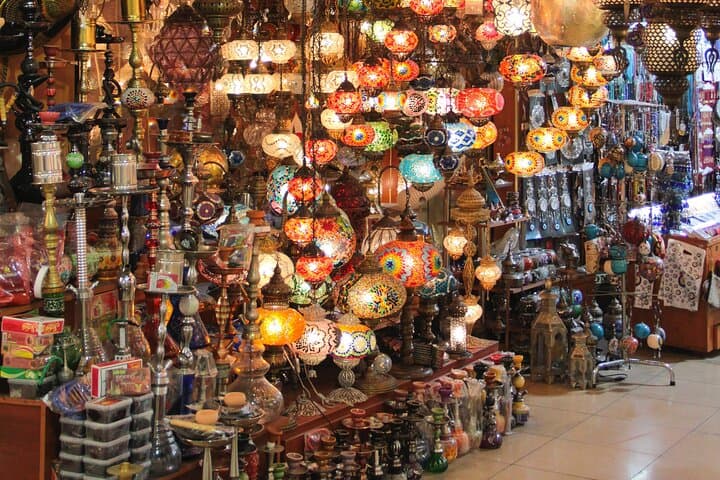
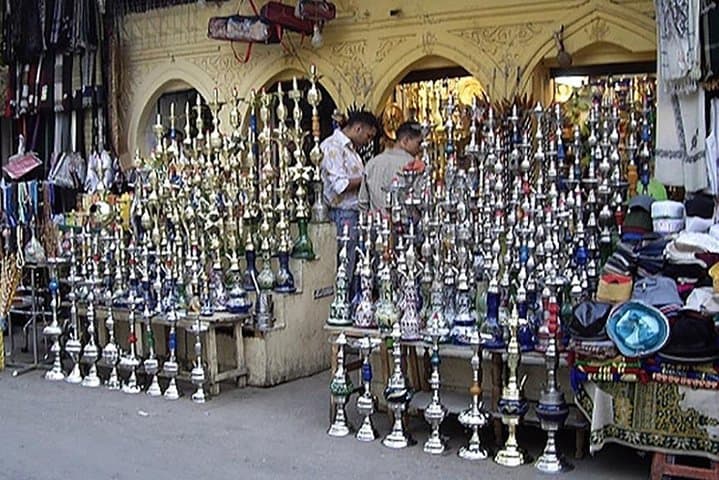
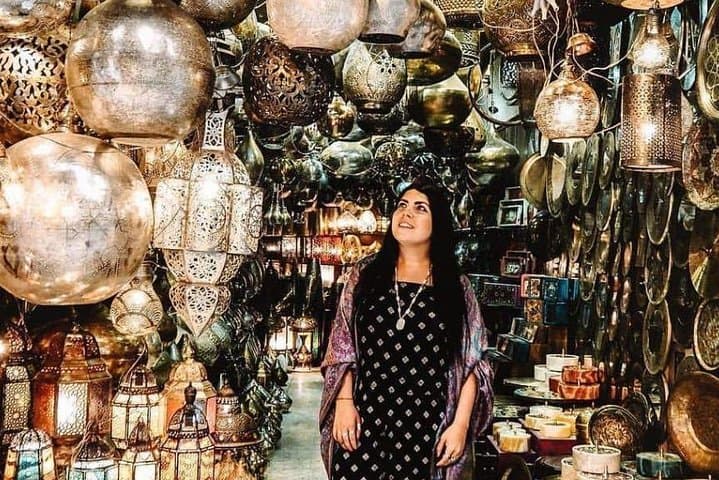
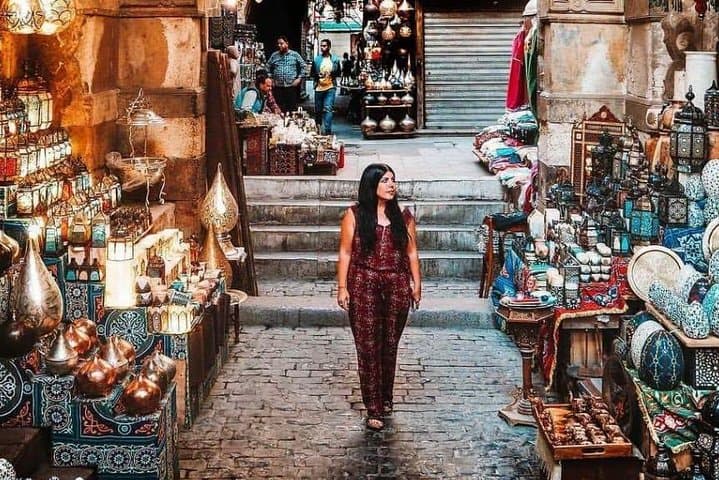
You step from an air-conditioned car into Gamalia Street and the city exhales — spices, coffee smoke and bargaining voices roll together like a living market map. Narrow lanes open and close around you; merchants display brassware and hammered copper, leather hangings sway beside strings of beads, and the rhythm of hawkers sets the pace.
You step from an air-conditioned car into Gamalia Street and the city exhales — spices, coffee smoke and bargaining voices roll together like a living market map. Narrow lanes open and close around you; merchants display brassware and hammered copper, leather hangings sway beside strings of beads, and the rhythm of hawkers sets the pace.
This route threads Fatimid-era alleys where commerce has run continuously for centuries. Khan el-Khalili, established during the Mamluk period, grew from caravan trade into the dense bazaar complex seen today. Buildings here show layers of Cairo's past: carved wooden mashrabiyas, Ottoman-era storefronts and small workshops where techniques have been passed down for generations.
Cultural life centers on the stalls and cafés — sip sweet tea at an old coffeehouse or watch a metalsmith anneal brass in a narrow courtyard. El Ghorya and El Mosky markets offer more local, budget-friendly goods compared with tourist-focused alleys; both give a clearer sense of daily Cairo commerce.
Practical guidance: wear comfortable closed-toe shoes and bring small bills for purchases; many shops expect you to haggle politely. Mornings are cooler and less crowded; late afternoons offer light for photographs but a busier crowd. Keep valuables close and use an inner pocket, and consider a guide to translate and point out reputable workshops and antiques. The tour is largely flat but involves lots of standing and walking on uneven paving — plan for water breaks and a slow pace to enjoy the textures of medieval Cairo rather than rush through it.