THE ADVENTURE COLLECTIVE® · Independent discovery and booking for outdoor travel

Explore Medieval Cairo’s busiest bazaars on a private, 3–4 hour walking tour through El Ghorya, Gamalia Street, El Mosky and the famed Khan el-Khalili. Expect hands-on market stops, bargaining tips, and transfers back to your hotel.
Explore Medieval Cairo’s busiest bazaars on a private, 3–4 hour walking tour through El Ghorya, Gamalia Street, El Mosky and the famed Khan el-Khalili. Expect hands-on market stops, bargaining tips, and transfers back to your hotel.
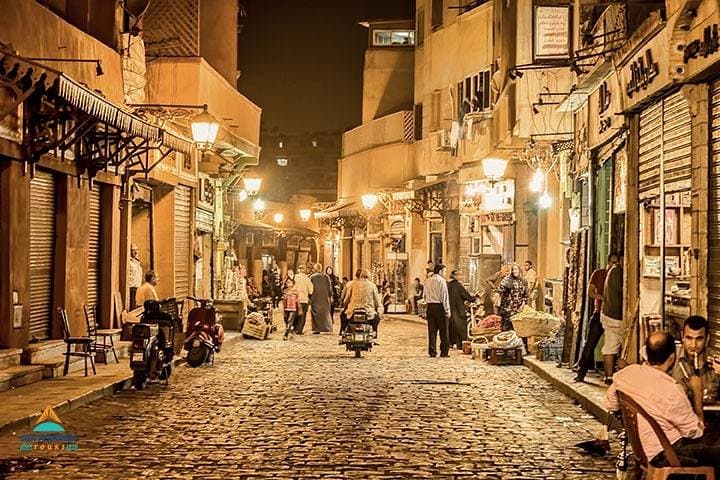
Early morning in Fatimid Cairo is a study in motion: narrow alleys breathe steam and spice, merchants sweep doorways and the city’s mosaic of voices guides you toward Khan el-Khalili. On this private shopping tour you move with purpose—through El Ghorya’s low-arched lanes, along Gamalia Street, past the bright chaos of El Mosky—each turn producing a new stall of brass, leather, beads and incense.
Verified experiences and guided adventures in the surrounding area.
Operated by Sun Pyramids Vip Tours · Cairo, Cairo Governorate
Early morning in Fatimid Cairo is a study in motion: narrow alleys breathe steam and spice, merchants sweep doorways and the city’s mosaic of voices guides you toward Khan el-Khalili. On this private shopping tour you move with purpose—through El Ghorya’s low-arched lanes, along Gamalia Street, past the bright chaos of El Mosky—each turn producing a new stall of brass, leather, beads and incense.
The route traces centuries of commerce. Fatimid-era foundations underpin the streets while Ottoman-era shops and 19th-century restorations shape the facades you pass. The stone underfoot varies from patched cobbles to smooth flagstones, and the smells—coffee, cardamom, polished metal—act like a running commentary on the culture and craft here.
Expect guided stops at makers’ workshops and time to browse: brassware, inlaid boxes, hand-tooled leather and silver filigree are local specialties. Your guide explains materials, bargaining norms and tips for assessing genuine craftsmanship.
Practical essentials: wear comfortable, closed shoes for uneven pavement and keep small-denomination Egyptian pounds for market purchases. Mornings are cooler and less crowded; afternoons grow hot and denser with shoppers. Many shops accept cards, but cash is king for bargains.
This is an urban walking day—no technical skill required—but it rewards curiosity: ask to see items being made, try mint tea at a small café, and keep your camera ready. The tour ends with a relaxed transfer back to your hotel, loot in hand and a clearer sense of Cairo’s living market traditions.
easy.
3–4 hours.
Basic urban fitness—comfortable walking for several hours on paved but uneven surfaces.
Yes—bargaining is part of the shopping culture; start around 50–70% of the asking price and negotiate politely until you reach a fair offer.
You’ll find both; the tour includes workshops and older family-run shops with traditional crafts, alongside stores geared to visitors.
The provider notes accessibility, but streets can be narrow and uneven—confirm specific pickup and route details when booking to ensure smooth access.
Cash (EGP) is most common for bargaining; many larger shops accept cards but always carry cash for small vendors and street stalls.
The bazaars sit on Fatimid-era commercial streets and evolved through Ottoman and 19th-century urban growth; Khan el-Khalili became a trading hub after the 14th century.
Markets produce waste and textiles; bring reusable bags, decline plastic packaging where possible, and support shops that source materials sustainably.
Sun Pyramids Vip Tours operates guided outdoor trips and adventures with an emphasis on safety, stewardship, and memorable experiences.
Early morning in Fatimid Cairo is a study in motion: narrow alleys breathe steam and spice, merchants sweep doorways and the city’s mosaic of voices guides you toward Khan el-Khalili. On this private shopping tour you move with purpose—through El Ghorya’s low-arched lanes, along Gamalia Street, past the bright chaos of El Mosky—each turn producing a new stall of brass, leather, beads and incense.
Early morning in Fatimid Cairo is a study in motion: narrow alleys breathe steam and spice, merchants sweep doorways and the city’s mosaic of voices guides you toward Khan el-Khalili. On this private shopping tour you move with purpose—through El Ghorya’s low-arched lanes, along Gamalia Street, past the bright chaos of El Mosky—each turn producing a new stall of brass, leather, beads and incense.
The route traces centuries of commerce. Fatimid-era foundations underpin the streets while Ottoman-era shops and 19th-century restorations shape the facades you pass. The stone underfoot varies from patched cobbles to smooth flagstones, and the smells—coffee, cardamom, polished metal—act like a running commentary on the culture and craft here.
Expect guided stops at makers’ workshops and time to browse: brassware, inlaid boxes, hand-tooled leather and silver filigree are local specialties. Your guide explains materials, bargaining norms and tips for assessing genuine craftsmanship.
Practical essentials: wear comfortable, closed shoes for uneven pavement and keep small-denomination Egyptian pounds for market purchases. Mornings are cooler and less crowded; afternoons grow hot and denser with shoppers. Many shops accept cards, but cash is king for bargains.
This is an urban walking day—no technical skill required—but it rewards curiosity: ask to see items being made, try mint tea at a small café, and keep your camera ready. The tour ends with a relaxed transfer back to your hotel, loot in hand and a clearer sense of Cairo’s living market traditions.