THE ADVENTURE COLLECTIVE® · Independent discovery and booking for outdoor travel

Walk ancient terraces with a native Ampay guide to learn traditional uses of Andean medicinal plants. This full-day, experiential tour combines hands-on demonstrations, mountain views, and cultural storytelling in Pisac.
Walk ancient terraces with a native Ampay guide to learn traditional uses of Andean medicinal plants. This full-day, experiential tour combines hands-on demonstrations, mountain views, and cultural storytelling in Pisac.
You step off the minivan into thin, cool air; terraces tier the valley like old books opened to reveal herbs and grasses. A native Ampay guide, speaking Quechua with a translator, lifts a leaf and the scent of eucalyptus and muña rises—plants that have shaped daily life here for centuries.
Verified experiences and guided adventures in the surrounding area.
Operated by Paquito tours · Pisac, Cusco
You step off the minivan into thin, cool air; terraces tier the valley like old books opened to reveal herbs and grasses. A native Ampay guide, speaking Quechua with a translator, lifts a leaf and the scent of eucalyptus and muña rises—plants that have shaped daily life here for centuries.
The Sacred Valley around Pisac sits on volcanic-andesitic slopes carved by glacial action and human hands. Terracing and stone walls date to pre-Inca and Inca eras, and the local population preserved botanical knowledge used for washing, wound care, digestion, and ritual. On this experiential walk you move through cedar and high-altitude scrub, learn how local healers prepare poultices, and hear stories of seasonal plant cycles and communal stewardship.
Expect steady uphill stretches and stone paths at roughly 3,200–3,500 m elevation; the terrain tests lungs more than feet. The tour balances cultural interpretation with hands-on demonstration—sampling teas, identifying species, and discussing sustainable harvesting. Lunch is provided and transport runs in air-conditioned vehicles; small-group, private format supports local hosts directly.
Practical tips: begin early to avoid the harsh midday sun and to acclimatize in Cusco first. Wear sturdy shoes with good traction, carry 1–2 liters of water, and layer for sudden temperature swings—mountains can push cold across a warm morning. Respect local protocols: ask before photographing elders or rituals, and buy community-made remedies to support the economy. This is a lesson in living systems as much as a hike—plants here are teachers, and the land expects attentive listeners.
moderate.
8 hours.
Moderately fit: able to walk 4–8 miles over varied terrain at high altitude and manage uphill sections without assistance
The tour is moderate: expect several hours of walking on uneven terraces at 3,200–3,500 m; basic fitness and prior acclimatization are recommended.
Lunch is included; hosts can often accommodate common dietary restrictions if notified in advance at booking.
A native Quechua speaker leads plant interpretation and is accompanied by a guide who provides translation into Spanish and/or English as needed.
Demonstrations typically use sustainably harvested samples; large-scale collection is avoided to protect local resources and traditions.
Pisac’s terraces and irrigation systems reflect pre-Inca and Inca agricultural innovation; plant knowledge was integrated into household and ritual life for generations.
Tours emphasize sustainable harvesting and economic benefits to local communities; travelers are encouraged to follow leave-no-trace principles and support community enterprises.
Paquito tours operates guided outdoor trips and adventures with an emphasis on safety, stewardship, and memorable experiences.
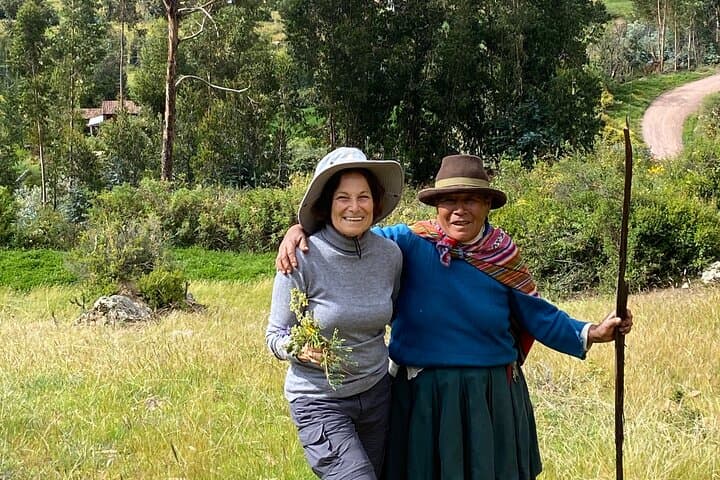
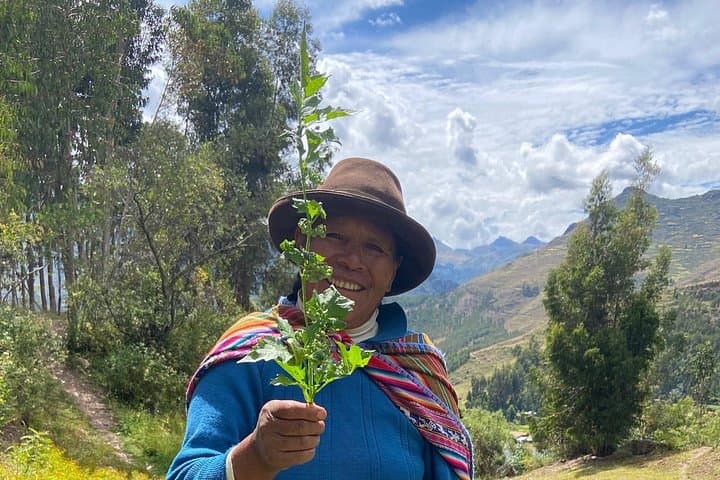
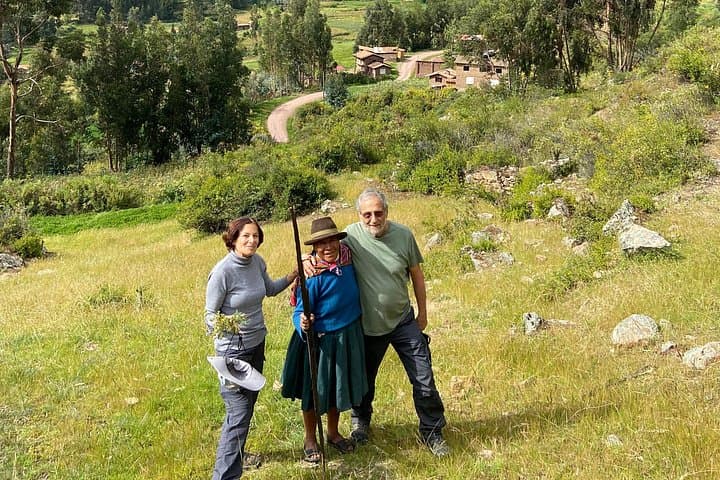
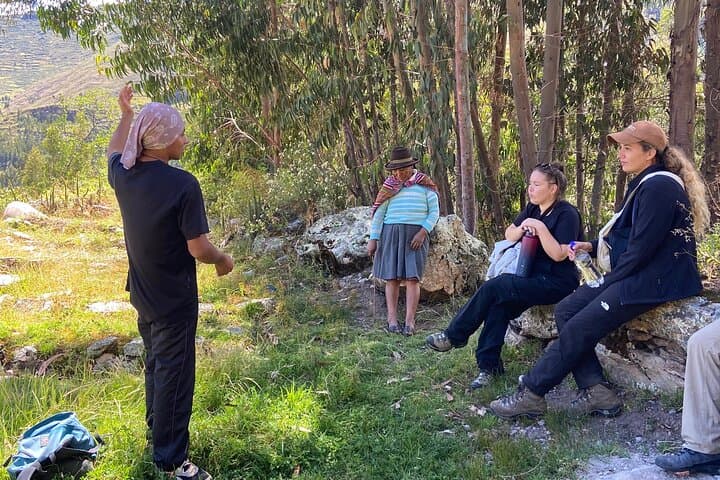
You step off the minivan into thin, cool air; terraces tier the valley like old books opened to reveal herbs and grasses. A native Ampay guide, speaking Quechua with a translator, lifts a leaf and the scent of eucalyptus and muña rises—plants that have shaped daily life here for centuries.
You step off the minivan into thin, cool air; terraces tier the valley like old books opened to reveal herbs and grasses. A native Ampay guide, speaking Quechua with a translator, lifts a leaf and the scent of eucalyptus and muña rises—plants that have shaped daily life here for centuries.
The Sacred Valley around Pisac sits on volcanic-andesitic slopes carved by glacial action and human hands. Terracing and stone walls date to pre-Inca and Inca eras, and the local population preserved botanical knowledge used for washing, wound care, digestion, and ritual. On this experiential walk you move through cedar and high-altitude scrub, learn how local healers prepare poultices, and hear stories of seasonal plant cycles and communal stewardship.
Expect steady uphill stretches and stone paths at roughly 3,200–3,500 m elevation; the terrain tests lungs more than feet. The tour balances cultural interpretation with hands-on demonstration—sampling teas, identifying species, and discussing sustainable harvesting. Lunch is provided and transport runs in air-conditioned vehicles; small-group, private format supports local hosts directly.
Practical tips: begin early to avoid the harsh midday sun and to acclimatize in Cusco first. Wear sturdy shoes with good traction, carry 1–2 liters of water, and layer for sudden temperature swings—mountains can push cold across a warm morning. Respect local protocols: ask before photographing elders or rituals, and buy community-made remedies to support the economy. This is a lesson in living systems as much as a hike—plants here are teachers, and the land expects attentive listeners.