THE ADVENTURE COLLECTIVE® · Independent discovery and booking for outdoor travel

Two hours from Medellín, Cocorná compresses waterfalls, a raw rock slide and optional paragliding and rafting into one high-adrenaline day. This guided trip mixes easy logistics with serious thrills—ideal for travelers who want a full outdoor day without deep backcountry planning.
Two hours from Medellín, Cocorná compresses waterfalls, a raw rock slide and optional paragliding and rafting into one high-adrenaline day. This guided trip mixes easy logistics with serious thrills—ideal for travelers who want a full outdoor day without deep backcountry planning.
The bus peels out of Medellín before dawn and the city loosens its grip: neighborhoods give way to coffee slopes, then to a green corridor of river valleys and carved rock. Two hours later, Cocorná arrives like a breath—an Andean village with a church square, a hummingbird of a river and, tucked into the cliffside, La Chonta: Colombia’s most extreme natural slide. Water hisses over bedrock, tourists line up with grins and helmets, and the canyon seems to dare you forward.
Verified experiences and guided adventures in the surrounding area.
Operated by Destino Cocorna · Cocorná, Antioquia
The bus peels out of Medellín before dawn and the city loosens its grip: neighborhoods give way to coffee slopes, then to a green corridor of river valleys and carved rock. Two hours later, Cocorná arrives like a breath—an Andean village with a church square, a hummingbird of a river and, tucked into the cliffside, La Chonta: Colombia’s most extreme natural slide. Water hisses over bedrock, tourists line up with grins and helmets, and the canyon seems to dare you forward.
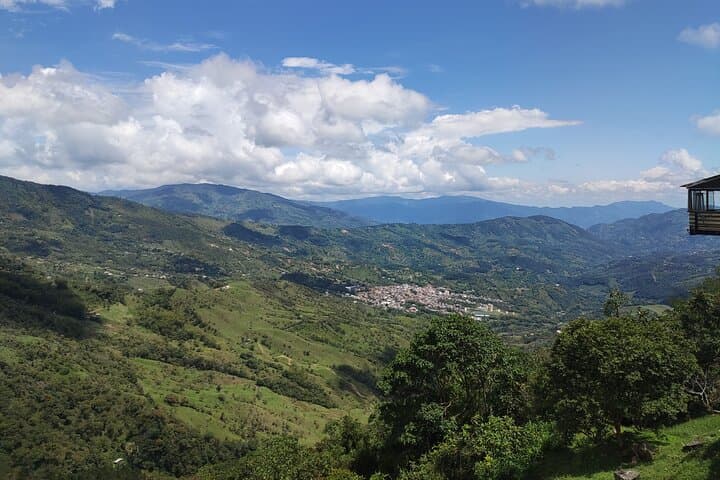
Cocorná sits on the eastern flank of Antioquia, a landscape shaped by tectonic uplift and persistent river erosion. The Melcocho and Calderas rivers have sliced canyons and collected pools, creating slideable bedrock, potholes and curtain waterfalls that local communities have long used for bathing and small-scale irrigation. The town itself has roots in colonial-era settlement and a modern culture keyed to coffee, river-guiding and outdoor hospitality—expect warm, simple meals and operators who grew up reading the weather like a Bible.
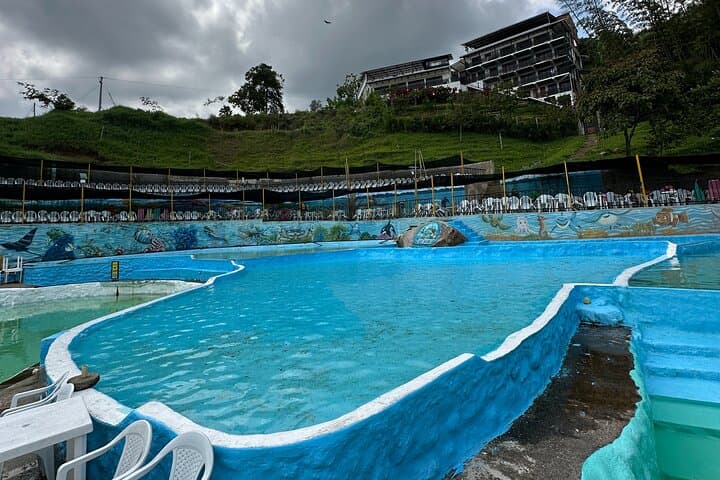
The organized day trip is straightforward: private transport from Medellín, a welcome snack en route, a typical Antioquian lunch, and access to La Chonta and its pools. Optional add-ons include paragliding over the Melcocho River canyon, quad-bike jungle routes, and rafting on the Calderas rapids—each activity ramps the adrenaline and the fitness needed. Guides provide safety briefings; the tour includes a medical assistance card and basic equipment, but bring your own expectations. The route is compact but varied: slick rock, muddy trails, short hikes between pools, and river launches.
Practical guidance: start early, wear grippy water shoes or trainers that drain, and pack a dry bag for phone, sunscreen and cash—some operators only accept peso cash for add-ons and tips. Hydrate before and during the day; even under cloud cover the valley sun is strong. If you plan to paraglide, confirm weight limits and weather windows the morning of; thermals and canyon winds can cancel flights. Rafting sections run class II–III in normal conditions—stronger after heavy rain.
Conservation matters here: the pools are fragile, so use biodegradable sunscreen and avoid soaps in the water. Support local guides and small eateries—tourism sustains this micro-economy. Whether you slide a natural chute, rise over a canyon in a paraglider, or punch a rapid, Cocorná delivers a compact, varied day of landscape-driven adventure with practical logistics and a strong local flavor.
moderate.
10 hours.
Good general fitness for a full day of activity; minimal exertion for the base tour but higher for paragliding, rafting or quad biking
Expect about two hours each way; the full tour is roughly ten hours including transport, lunch and activity time.
Guides manage runs and provide helmets; the base slide is accessible to most people, but follow instructions and use proper footwear.
Often yes if there is availability, but spaces are limited—booking add-ons in advance is recommended and they typically cost extra onsite.
Children can join the base tour, but age and weight restrictions may apply for paragliding and rafting—check with the operator when booking.
Bring cash, ID, water shoes, sunscreen (biodegradable), a dry bag, and any personal medications; operators supply helmets and basic safety gear.
The Calderas River sections used on this tour are generally class II–III under normal conditions; difficulty increases after heavy rain.
Cocorná grew as an agricultural stopover on routes east of Medellín; its rivers shaped local livelihoods and now drive adventure tourism.
Operators are shifting to low-impact practices—biodegradable products, controlled access to fragile pools and community-based guiding that funnels income to local residents.
Destino Cocorna operates guided outdoor trips and adventures with an emphasis on safety, stewardship, and memorable experiences.
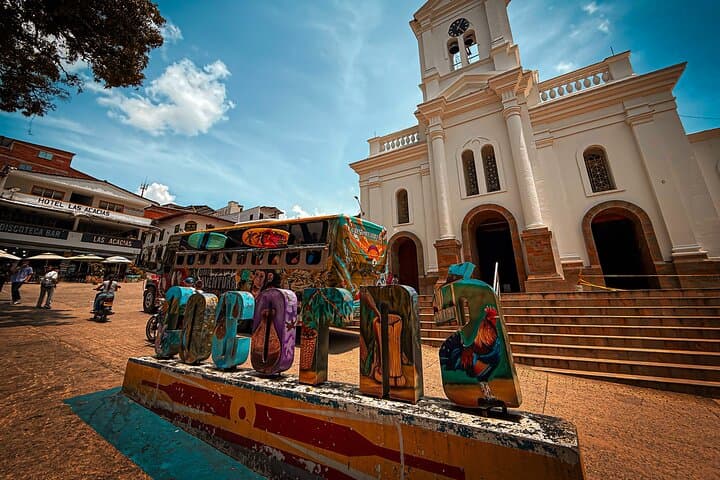
The bus peels out of Medellín before dawn and the city loosens its grip: neighborhoods give way to coffee slopes, then to a green corridor of river valleys and carved rock. Two hours later, Cocorná arrives like a breath—an Andean village with a church square, a hummingbird of a river and, tucked into the cliffside, La Chonta: Colombia’s most extreme natural slide. Water hisses over bedrock, tourists line up with grins and helmets, and the canyon seems to dare you forward.
The bus peels out of Medellín before dawn and the city loosens its grip: neighborhoods give way to coffee slopes, then to a green corridor of river valleys and carved rock. Two hours later, Cocorná arrives like a breath—an Andean village with a church square, a hummingbird of a river and, tucked into the cliffside, La Chonta: Colombia’s most extreme natural slide. Water hisses over bedrock, tourists line up with grins and helmets, and the canyon seems to dare you forward.
Cocorná sits on the eastern flank of Antioquia, a landscape shaped by tectonic uplift and persistent river erosion. The Melcocho and Calderas rivers have sliced canyons and collected pools, creating slideable bedrock, potholes and curtain waterfalls that local communities have long used for bathing and small-scale irrigation. The town itself has roots in colonial-era settlement and a modern culture keyed to coffee, river-guiding and outdoor hospitality—expect warm, simple meals and operators who grew up reading the weather like a Bible.
The organized day trip is straightforward: private transport from Medellín, a welcome snack en route, a typical Antioquian lunch, and access to La Chonta and its pools. Optional add-ons include paragliding over the Melcocho River canyon, quad-bike jungle routes, and rafting on the Calderas rapids—each activity ramps the adrenaline and the fitness needed. Guides provide safety briefings; the tour includes a medical assistance card and basic equipment, but bring your own expectations. The route is compact but varied: slick rock, muddy trails, short hikes between pools, and river launches.
Practical guidance: start early, wear grippy water shoes or trainers that drain, and pack a dry bag for phone, sunscreen and cash—some operators only accept peso cash for add-ons and tips. Hydrate before and during the day; even under cloud cover the valley sun is strong. If you plan to paraglide, confirm weight limits and weather windows the morning of; thermals and canyon winds can cancel flights. Rafting sections run class II–III in normal conditions—stronger after heavy rain.
Conservation matters here: the pools are fragile, so use biodegradable sunscreen and avoid soaps in the water. Support local guides and small eateries—tourism sustains this micro-economy. Whether you slide a natural chute, rise over a canyon in a paraglider, or punch a rapid, Cocorná delivers a compact, varied day of landscape-driven adventure with practical logistics and a strong local flavor.