THE ADVENTURE COLLECTIVE® · Independent discovery and booking for outdoor travel

Ride Medellín’s cable car into the Aburrá Valley, stand beside Botero’s bronze forms, and follow a knowledgeable guide through the city’s colonial core and the controversial sites linked to Pablo Escobar. This private, full-day tour blends history, viewpoints, and local flavors with practical logistics handled for you.
Ride Medellín’s cable car into the Aburrá Valley, stand beside Botero’s bronze forms, and follow a knowledgeable guide through the city’s colonial core and the controversial sites linked to Pablo Escobar. This private, full-day tour blends history, viewpoints, and local flavors with practical logistics handled for you.
The cable car lifts you above the Aburrá Valley at dawn, the city unfolding in checkerboard blocks while the Andes press in like watchful walls. Below, the metro threads through plazas and Botero’s overweight sculptures sit on stone like quiet curiosities; above, neighborhoods cling to steep slopes and the Cerro Nutibara keeps a small town on its crown.
Verified experiences and guided adventures in the surrounding area.
Operated by Way Cool Tours · Medellín, Antioquia
The cable car lifts you above the Aburrá Valley at dawn, the city unfolding in checkerboard blocks while the Andes press in like watchful walls. Below, the metro threads through plazas and Botero’s overweight sculptures sit on stone like quiet curiosities; above, neighborhoods cling to steep slopes and the Cerro Nutibara keeps a small town on its crown.
Medellín’s story is layered: pre-Colombian trade routes gave way to colonial churches and a 19th-century boom in coffee and textiles. The Escobar segment traces late-20th-century violence and philanthropy—sites include the Monaco building’s rubble-memory, Los Olivos where he died, and graves that force complicated conversations about myth and harm. Geologically, the city rests in the Aburrá Valley carved by Andean uplift and river incision, which makes viewpoints dramatic and metro-cable rides particularly revealing.
Culturally you’ll meet Paisa pride—coffee culture, hearty bandeja paisa, and a civic resilience visible in libraries and plazas. Expect a mix of indoor stops and outdoor promenades: cathedral steps, Plaza Botero, Santo Domingo’s lookout, and the replica town of Pueblito Paisa on Cerro Nutibara.
Practical guide: this private tour runs about 6–7 hours with moderate walking and steps; bring comfortable shoes, light rain protection, and small cash for lunch and market purchases. Be respectful at graves and sensitive sites; guides aim to present facts without glorification. Take the metro and cable like a local—tickets are included—and plan for afternoon showers during the rainy months. Photographs are welcome but follow guide instructions in cemeteries and private spaces.
easy.
6–7 hours.
Basic fitness for several hours of walking and standing; comfortable pace with short stair sections
Yes, the private tour includes hotel pickup and drop-off within central Medellín as listed at booking.
All metro and metro-cable fees for the itinerary are covered by the tour.
The tour is classified as easy, but it includes stairs and short walks; wheelchair access is available on request—confirm at booking.
Guides present a factual, non-biased account focused on historical context, community impact, and differing local perspectives rather than glorification.
Medellín grew from a 17th-century colonial settlement into Antioquia’s industrial heart; 20th-century coffee and textile booms shaped its urban expansion and cultural identity.
Visitors are encouraged to minimize waste, avoid defacing public art or memorials, and support local enterprises—the tour’s focus on walking and public transit lowers its carbon footprint.
Way Cool Tours operates guided outdoor trips and adventures with an emphasis on safety, stewardship, and memorable experiences.
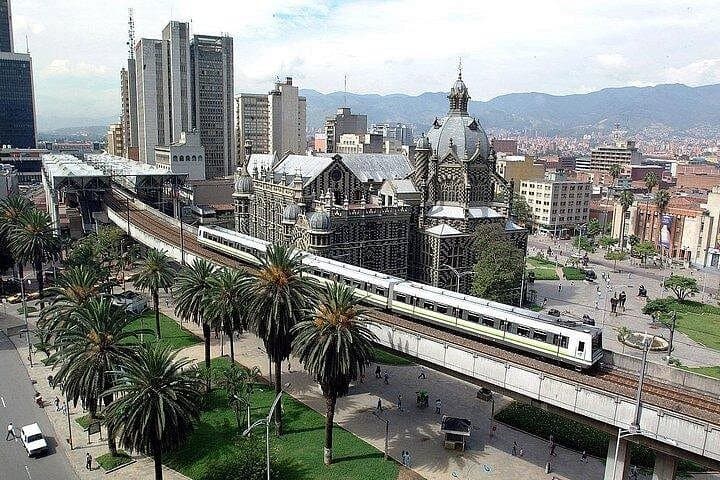

The cable car lifts you above the Aburrá Valley at dawn, the city unfolding in checkerboard blocks while the Andes press in like watchful walls. Below, the metro threads through plazas and Botero’s overweight sculptures sit on stone like quiet curiosities; above, neighborhoods cling to steep slopes and the Cerro Nutibara keeps a small town on its crown.
The cable car lifts you above the Aburrá Valley at dawn, the city unfolding in checkerboard blocks while the Andes press in like watchful walls. Below, the metro threads through plazas and Botero’s overweight sculptures sit on stone like quiet curiosities; above, neighborhoods cling to steep slopes and the Cerro Nutibara keeps a small town on its crown.
Medellín’s story is layered: pre-Colombian trade routes gave way to colonial churches and a 19th-century boom in coffee and textiles. The Escobar segment traces late-20th-century violence and philanthropy—sites include the Monaco building’s rubble-memory, Los Olivos where he died, and graves that force complicated conversations about myth and harm. Geologically, the city rests in the Aburrá Valley carved by Andean uplift and river incision, which makes viewpoints dramatic and metro-cable rides particularly revealing.
Culturally you’ll meet Paisa pride—coffee culture, hearty bandeja paisa, and a civic resilience visible in libraries and plazas. Expect a mix of indoor stops and outdoor promenades: cathedral steps, Plaza Botero, Santo Domingo’s lookout, and the replica town of Pueblito Paisa on Cerro Nutibara.
Practical guide: this private tour runs about 6–7 hours with moderate walking and steps; bring comfortable shoes, light rain protection, and small cash for lunch and market purchases. Be respectful at graves and sensitive sites; guides aim to present facts without glorification. Take the metro and cable like a local—tickets are included—and plan for afternoon showers during the rainy months. Photographs are welcome but follow guide instructions in cemeteries and private spaces.