THE ADVENTURE COLLECTIVE® · Independent discovery and booking for outdoor travel

Explore the places tied to Pablo Escobar’s life and death on a four‑hour private tour of Medellín—cemeteries, former properties, community projects and a museum that reframes history through local voices.
Explore the places tied to Pablo Escobar’s life and death on a four‑hour private tour of Medellín—cemeteries, former properties, community projects and a museum that reframes history through local voices.
You step out of an air-conditioned van onto a sun-warmed avenue and the city hums—buses humming, street vendors calling, concrete slopes rising toward green hills. The guide points across the square to a fenced plot where a notorious story ended; the city’s present pulls at you the way the Aburrá Valley pulls its clouds down each afternoon.
Verified experiences and guided adventures in the surrounding area.
Operated by Transport Cars · Medellín, Antioquia
You step out of an air-conditioned van onto a sun-warmed avenue and the city hums—buses humming, street vendors calling, concrete slopes rising toward green hills. The guide points across the square to a fenced plot where a notorious story ended; the city’s present pulls at you the way the Aburrá Valley pulls its clouds down each afternoon.
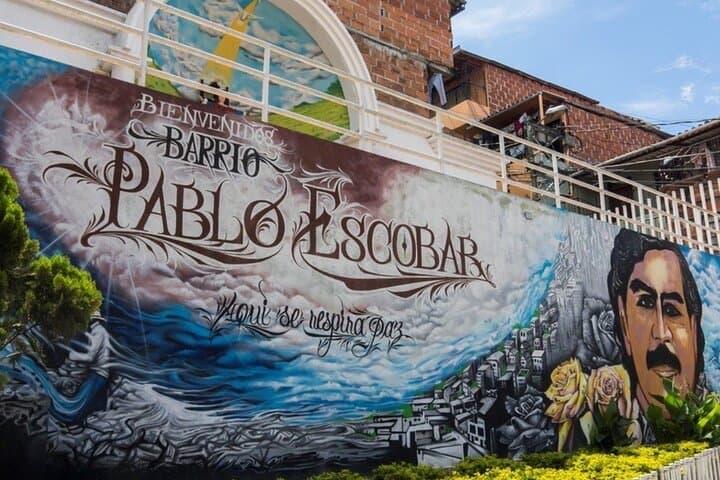
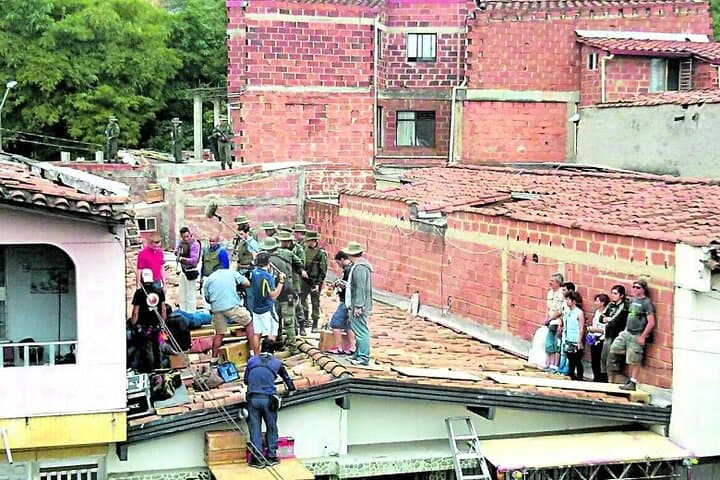
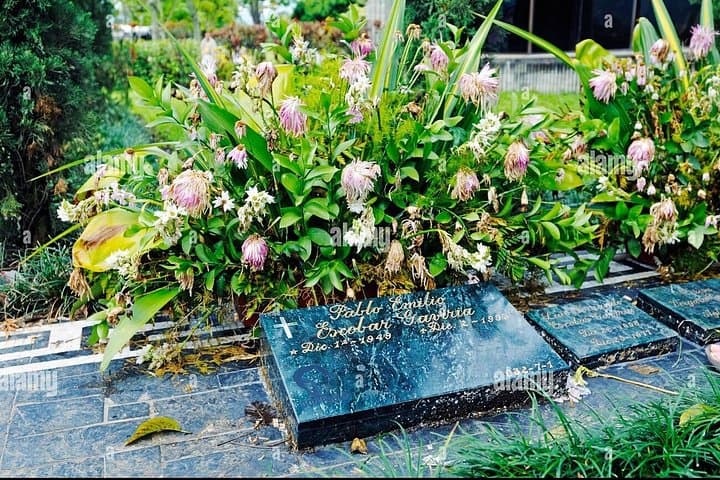
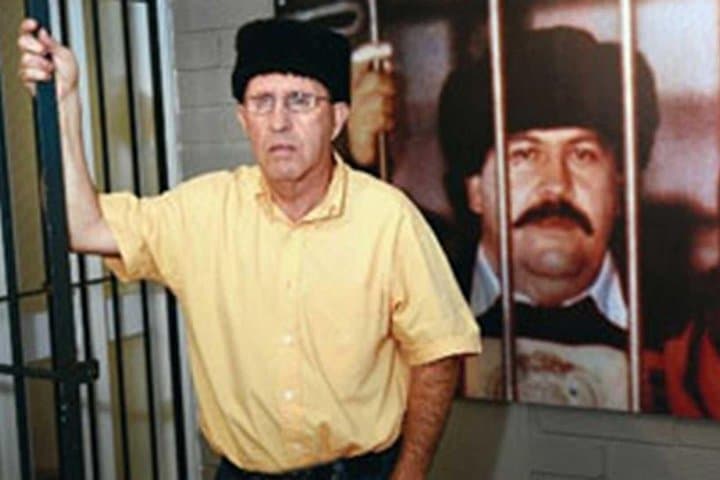
The four‑hour private tour threads together places tied to Pablo Escobar: the site of the former Monaco Building, the Montesacro cemetery where he was buried, community projects he once funded around Moravia, and a museum exhibit that frames his life through family narratives and local testimony. Medellín’s history is raw here—violent narco‑economics collided with rapid urban growth in the 1980s and ’90s, then with civic programs and architecture-led renewal in the 2000s. Geology matters too: the city sits in a steep valley, so neighborhood boundaries follow ridgelines and transport routes—this shapes how stories of power and displacement played out.
Expect candid local interpretation rather than glamorization: guides often foreground victims, urban change, and the social programs that followed. Practical notes: the tour mixes short walks and vehicle stops; bring ID, carry small bills for tips, and schedule mid‑morning to avoid heavier afternoon rains. Photography is usually allowed but be discreet around memorial sites and residents. The experience is part history lesson, part urban field study—informative, sometimes uncomfortable, and essential for understanding contemporary Medellín.
easy.
4 hours.
Light activity level—suitable for most people able to stand and walk short distances; minimal stair climbing.
Guided, private tours are conducted in well‑traveled areas and use air‑conditioned vehicles; follow your guide’s instructions and avoid photographing private residences without permission.
Yes—content includes mature topics; parents should judge suitability. Infants can ride in strollers and infant seats are available.
This tour description indicates museum visits but confirms whether entry fees are included when booking; some exhibitions may charge separately.
The operator offers private transport and Spanish‑speaking drivers; request a translator or custom stops at booking if needed.
Medellín’s narcotics era reshaped politics, neighborhoods and infrastructure; the city has since focused on inclusive urban projects and memory work to acknowledge victims and change narratives.
Guides emphasize responsible remembrance—avoid glorifying criminals, support museums and community projects that preserve memory and fund local initiatives.
Transport Cars operates guided outdoor trips and adventures with an emphasis on safety, stewardship, and memorable experiences.
You step out of an air-conditioned van onto a sun-warmed avenue and the city hums—buses humming, street vendors calling, concrete slopes rising toward green hills. The guide points across the square to a fenced plot where a notorious story ended; the city’s present pulls at you the way the Aburrá Valley pulls its clouds down each afternoon.
You step out of an air-conditioned van onto a sun-warmed avenue and the city hums—buses humming, street vendors calling, concrete slopes rising toward green hills. The guide points across the square to a fenced plot where a notorious story ended; the city’s present pulls at you the way the Aburrá Valley pulls its clouds down each afternoon.
The four‑hour private tour threads together places tied to Pablo Escobar: the site of the former Monaco Building, the Montesacro cemetery where he was buried, community projects he once funded around Moravia, and a museum exhibit that frames his life through family narratives and local testimony. Medellín’s history is raw here—violent narco‑economics collided with rapid urban growth in the 1980s and ’90s, then with civic programs and architecture-led renewal in the 2000s. Geology matters too: the city sits in a steep valley, so neighborhood boundaries follow ridgelines and transport routes—this shapes how stories of power and displacement played out.
Expect candid local interpretation rather than glamorization: guides often foreground victims, urban change, and the social programs that followed. Practical notes: the tour mixes short walks and vehicle stops; bring ID, carry small bills for tips, and schedule mid‑morning to avoid heavier afternoon rains. Photography is usually allowed but be discreet around memorial sites and residents. The experience is part history lesson, part urban field study—informative, sometimes uncomfortable, and essential for understanding contemporary Medellín.