THE ADVENTURE COLLECTIVE® · Independent discovery and booking for outdoor travel

This guided walk through Medellín traces Pablo Escobar’s life across sites of power, loss and remembrance. Expect a factual, reflective tour that balances historical context with local perspectives on recovery and memorialization.
This guided walk through Medellín traces Pablo Escobar’s life across sites of power, loss and remembrance. Expect a factual, reflective tour that balances historical context with local perspectives on recovery and memorialization.
You step into a warm Medellín morning, the city rising from the green fold of the Aburrá Valley.
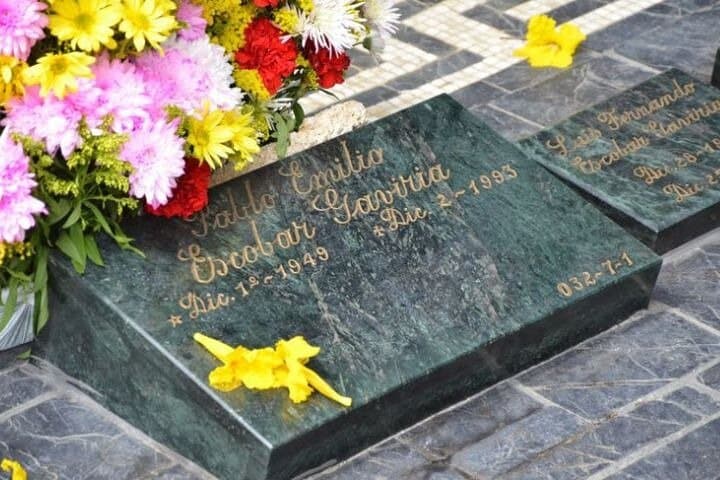
Street vendors set up along Parque el Poblado while a local guide unfolds a map tracing the life and fall of Pablo Escobar. The itinerary threads between concrete markers and quiet memorials — the former Monaco site now a public space, the Montesacro cemetery where his tomb sits, and the rooftop reported as the scene of his death — each stop demanding you weigh myth against the social cost left in its wake.
Verified experiences and guided adventures in the surrounding area.
Operated by transporte & turismo del eje S.A.S · Medellín, Antioquia
You step into a warm Medellín morning, the city rising from the green fold of the Aburrá Valley.
Street vendors set up along Parque el Poblado while a local guide unfolds a map tracing the life and fall of Pablo Escobar. The itinerary threads between concrete markers and quiet memorials — the former Monaco site now a public space, the Montesacro cemetery where his tomb sits, and the rooftop reported as the scene of his death — each stop demanding you weigh myth against the social cost left in its wake.
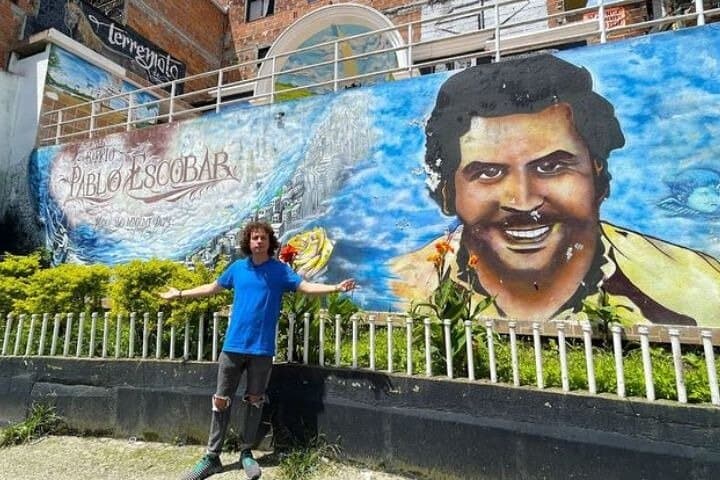
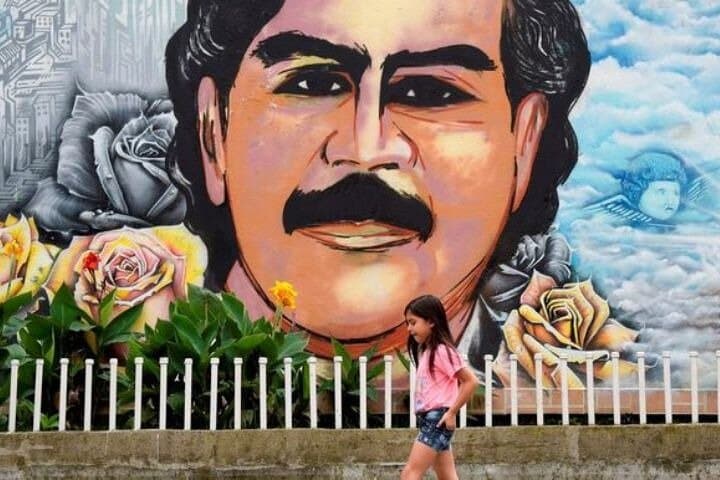
Medellín’s story is shaped by place: a narrow valley that channeled urban growth and concentrated both wealth and violence during the late 20th century. Guides contextualize facts with local memory, pointing out murals, community-led reclaiming projects and the Inflection Park dedicated to victims.
Expect roughly four hours of mostly urban walking and short drives. The tone is explanatory and reflective rather than sensational; conversations commonly address the city’s recovery, memorialization practices and the role of art in healing. Photograph public memorials with care and avoid photographing private residences or people without permission.
Practical details: tours generally include roundtrip transport from Parque el Poblado, bilingual guides, and a modest museum entry fee. Wear comfortable shoes for uneven sidewalks, bring water and sun protection, and carry ID. Approach the route with curiosity and respect: this is a civic history walk as much as a sightseeing tour.
easy.
3–4 hours.
Suitable for most fitness levels; involves urban walking, short stair sections and brief vehicle transfers.
Guided tours operate in mainstream neighborhoods with transport provided; follow your guide’s directions and avoid detours into unfamiliar areas.
Most operators offer guides in Spanish and English—confirm at booking if you require another language.
Pickups are commonly from Parque el Poblado; check your confirmation for exact meeting time and location.
No; itineraries are framed historically and reflect on victims and social impact rather than celebrating criminality.
Pablo Escobar’s influence reshaped Medellín’s politics and urban life; the Monaco building was later removed and the site transformed into a memorial park as part of the city’s reconciliation efforts.
Support local guides and community projects; practicing respectful photography and patronizing nearby businesses helps direct tourist dollars to neighborhood recovery.
transporte & turismo del eje S.A.S operates guided outdoor trips and adventures with an emphasis on safety, stewardship, and memorable experiences.

You step into a warm Medellín morning, the city rising from the green fold of the Aburrá Valley.
Street vendors set up along Parque el Poblado while a local guide unfolds a map tracing the life and fall of Pablo Escobar. The itinerary threads between concrete markers and quiet memorials — the former Monaco site now a public space, the Montesacro cemetery where his tomb sits, and the rooftop reported as the scene of his death — each stop demanding you weigh myth against the social cost left in its wake.
Medellín’s story is shaped by place: a narrow valley that channeled urban growth and concentrated both wealth and violence during the late 20th century. Guides contextualize facts with local memory, pointing out murals, community-led reclaiming projects and the Inflection Park dedicated to victims.
Expect roughly four hours of mostly urban walking and short drives. The tone is explanatory and reflective rather than sensational; conversations commonly address the city’s recovery, memorialization practices and the role of art in healing. Photograph public memorials with care and avoid photographing private residences or people without permission.
Practical details: tours generally include roundtrip transport from Parque el Poblado, bilingual guides, and a modest museum entry fee. Wear comfortable shoes for uneven sidewalks, bring water and sun protection, and carry ID. Approach the route with curiosity and respect: this is a civic history walk as much as a sightseeing tour.