THE ADVENTURE COLLECTIVE® · Independent discovery and booking for outdoor travel

Explore Medellín’s streets with a local guide on a three-hour tour that balances frank history with urban renewal. See key landmarks, sample local flavors, and learn practical tips for navigating the city on foot.
Explore Medellín’s streets with a local guide on a three-hour tour that balances frank history with urban renewal. See key landmarks, sample local flavors, and learn practical tips for navigating the city on foot.
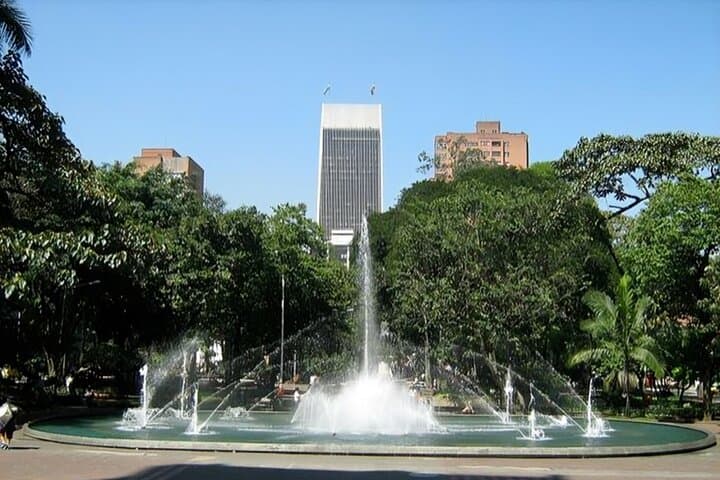
You step out into a grid of wide avenues and sudden plazas, the Aburrá Valley’s green slopes pressing close as the city breathes around you.
Verified experiences and guided adventures in the surrounding area.
Operated by Guydeez · Medellín, Antioquia
You step out into a grid of wide avenues and sudden plazas, the Aburrá Valley’s green slopes pressing close as the city breathes around you.
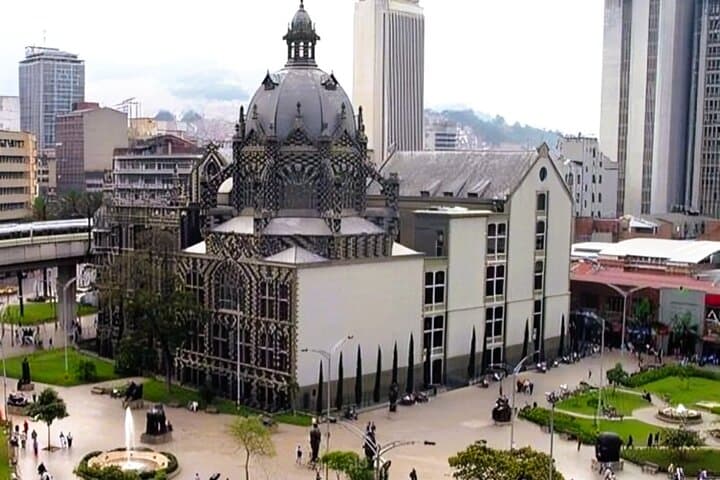
This three-hour walking tour threads together Medellín’s industrial-era skyscrapers, plazas of light, and narrow streets that still carry the marks of harder decades. A local guide points out the Coltejer building’s textile-era silhouette, the urban-transport innovations that reshaped neighborhoods, and the plazas where public art and everyday commerce collide. The tour addresses the city’s violent past frankly—how the era of drug trafficking altered neighborhoods—and follows the arc to civic reinvention through libraries, cable cars, and public spaces.
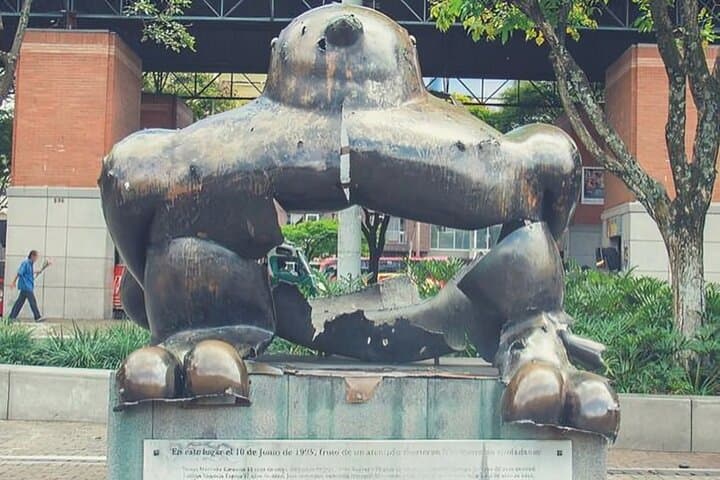
Geology and geography shape the story: Medellín sits in a steep valley carved by the Medellín River, with microclimates that give the city its “eternal spring” weather. Culturally, expect lively street food stops—arepas and buñuelos—and Botero sculptures that anchor conversations about public art.
Practical guidance: wear supportive walking shoes for uneven sidewalks and short stairways; bring a refillable water bottle and a light rain jacket—cloudbursts are common. Tours are accessible and suitable for most fitness levels but involve continuous walking with periodic standing. Morning departures are cooler and less crowded; late afternoons offer golden light on the valley slopes.
Your guide will likely customize stops to your interests—architecture, social history, or gastronomy—so come with a few focused questions. This walk is as much about Medellín’s recovery and reinvention as it is about its present-day rhythms.
easy.
3 hours.
Suitable for most people who can walk steadily for 2–3 hours with short standing periods
The tour lasts about three hours and involves roughly 2–3 miles (3–5 km) of walking at an easy pace with periodic stops.
The route is largely on paved city streets and plazas and is listed as wheelchair accessible, but you should check with the operator about specific mobility needs before booking.
This walking tour typically does not include museum entrance fees or meals—guides can recommend places to eat and advise on any optional admissions.
Guides are available in English and Spanish; the tour can be run in either language depending on booking and guide availability.
Medellín grew from a 19th-century textile and commerce hub into a major industrial city; late-20th-century violence prompted a period of major urban reforms in public transport and public space.
Local initiatives focus on green corridors and river cleanup projects to improve air and water quality; choose small vendors and follow litter rules to support sustainable tourism.
Guydeez operates guided outdoor trips and adventures with an emphasis on safety, stewardship, and memorable experiences.

You step out into a grid of wide avenues and sudden plazas, the Aburrá Valley’s green slopes pressing close as the city breathes around you.
You step out into a grid of wide avenues and sudden plazas, the Aburrá Valley’s green slopes pressing close as the city breathes around you.
This three-hour walking tour threads together Medellín’s industrial-era skyscrapers, plazas of light, and narrow streets that still carry the marks of harder decades. A local guide points out the Coltejer building’s textile-era silhouette, the urban-transport innovations that reshaped neighborhoods, and the plazas where public art and everyday commerce collide. The tour addresses the city’s violent past frankly—how the era of drug trafficking altered neighborhoods—and follows the arc to civic reinvention through libraries, cable cars, and public spaces.
Geology and geography shape the story: Medellín sits in a steep valley carved by the Medellín River, with microclimates that give the city its “eternal spring” weather. Culturally, expect lively street food stops—arepas and buñuelos—and Botero sculptures that anchor conversations about public art.
Practical guidance: wear supportive walking shoes for uneven sidewalks and short stairways; bring a refillable water bottle and a light rain jacket—cloudbursts are common. Tours are accessible and suitable for most fitness levels but involve continuous walking with periodic standing. Morning departures are cooler and less crowded; late afternoons offer golden light on the valley slopes.
Your guide will likely customize stops to your interests—architecture, social history, or gastronomy—so come with a few focused questions. This walk is as much about Medellín’s recovery and reinvention as it is about its present-day rhythms.