THE ADVENTURE COLLECTIVE® · Independent discovery and booking for outdoor travel

Spend four immersive hours on a working coffee farm just outside Medellín—learn cherry selection, processing methods, and roast your own cup with bilingual guides and private transport included. Perfect for curious travelers seeking hands-on cultural and agricultural insight.
Spend four immersive hours on a working coffee farm just outside Medellín—learn cherry selection, processing methods, and roast your own cup with bilingual guides and private transport included. Perfect for curious travelers seeking hands-on cultural and agricultural insight.
A cool Andean morning presses in around the farm roads outside Medellín: mist lifts off terraced rows of coffee bushes, and the air carries the green, citrusy scent of drying beans. Your guide—often a member of the coffee family—walks you through shaded plots where single-variety plants lean toward the light, and small processing patios where women sort cherries with practiced speed.
Verified experiences and guided adventures in the surrounding area.
Operated by Colombia Travel Operator SAS · Medellín, Antioquia
A cool Andean morning presses in around the farm roads outside Medellín: mist lifts off terraced rows of coffee bushes, and the air carries the green, citrusy scent of drying beans. Your guide—often a member of the coffee family—walks you through shaded plots where single-variety plants lean toward the light, and small processing patios where women sort cherries with practiced speed.
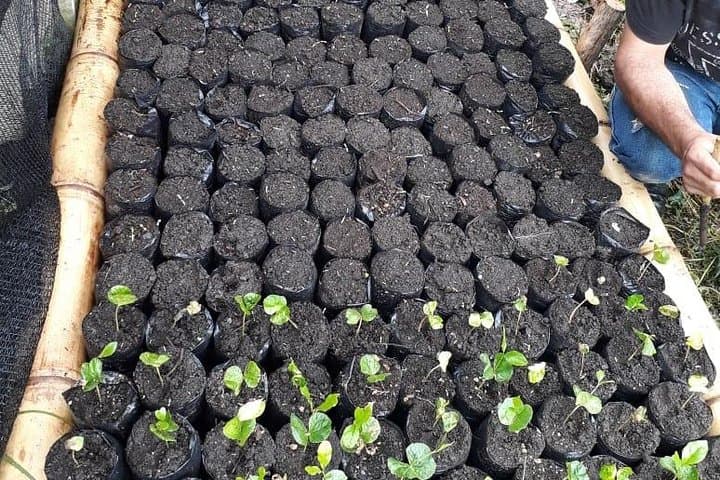
Antioquia’s coffee history runs deep: introduced in the 19th century, coffee shaped rural settlement patterns and local identity. Geologically, the region’s volcanic soils and elevations between roughly 1,200–1,800 m lend beans a crisp acidity and floral notes prized in export markets. Culturally, farms remain family-operated; a tour opens a window into daily rhythms—harvest, pulping, fermenting, and the communal ritual of cupping.
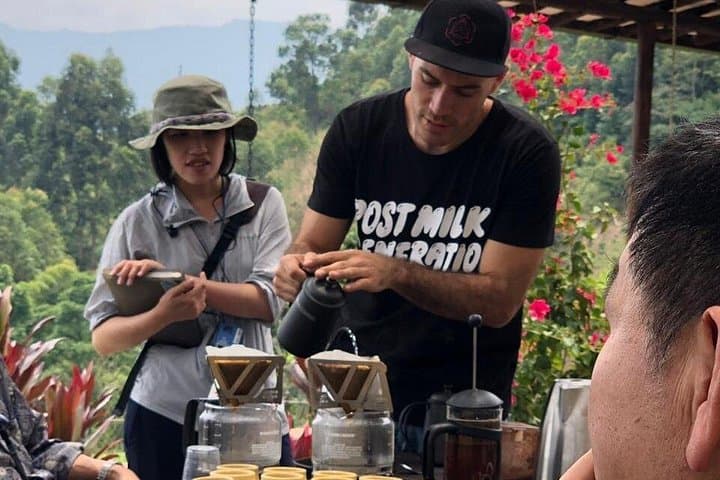
Expect hands-on learning: you’ll see cherry selection, watch wet and dry processing, and prepare a cup under instruction. The experience is sensory—bitter heat of freshly brewed coffee, the chatter of birds, the sun warming a drying patio—and practical: why shade trees matter, how altitude shifts flavor, what ‘washed’ versus ‘natural’ means.
Practical details: tours run about four hours, include private transport and a bilingual guide, and are accessible for most fitness levels with light walking on uneven farm paths. Bring sun protection, a light rain layer, and a reusable bottle. Book morning departures to catch cooler air and active farm work. This is less a rugged hike and more an immersive cultural walk through Colombia’s coffee landscape.
easy.
4 hours.
Suitable for most people; involves light walking on uneven terrain and short standing periods
The tour lasts about four hours, with private transport and a bilingual guide included.
No—it's rated easy with light walking on mostly flat or gently sloped farm paths; suitable for most fitness levels.
Yes—private transport is included and the tour notes indicate wheelchair-accessible options; confirm pickup details when booking.
Yes—tastings and a hands-on brewing or small-roast demonstration are part of the experience.
Coffee cultivation reshaped Antioquia in the 19th century, driving settlement and the family-run farm structure that still defines the region’s coffee culture.
Many farms practice shade-grown and water-conserving processing; visitors should stay on paths, avoid disturbing wildlife, and buy local to support sustainable livelihoods.
Colombia Travel Operator SAS operates guided outdoor trips and adventures with an emphasis on safety, stewardship, and memorable experiences.
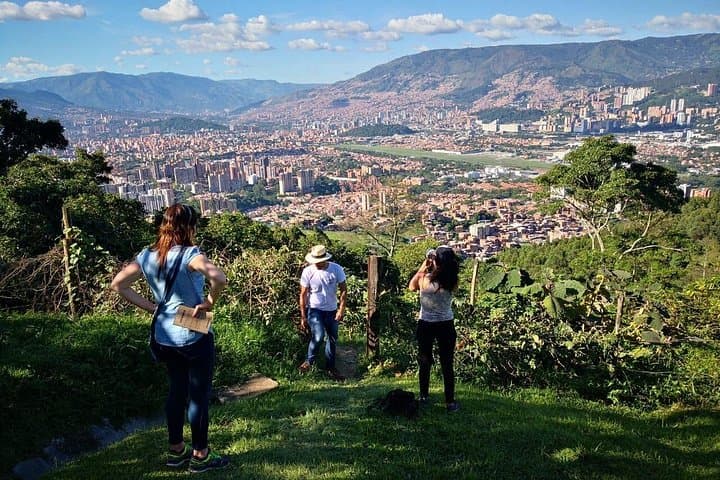
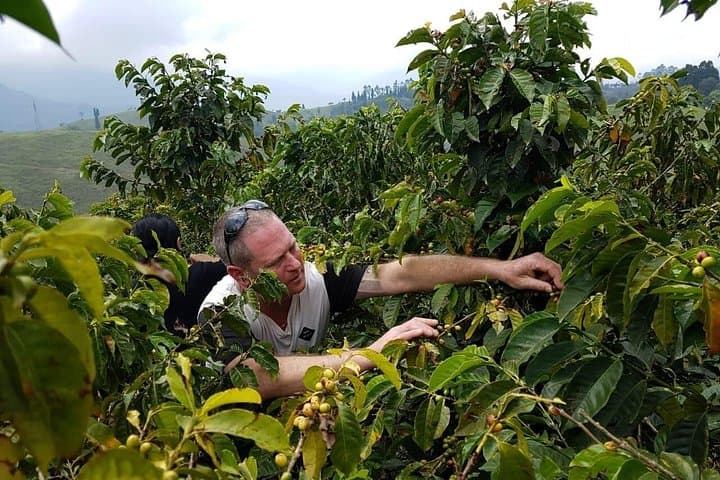
A cool Andean morning presses in around the farm roads outside Medellín: mist lifts off terraced rows of coffee bushes, and the air carries the green, citrusy scent of drying beans. Your guide—often a member of the coffee family—walks you through shaded plots where single-variety plants lean toward the light, and small processing patios where women sort cherries with practiced speed.
A cool Andean morning presses in around the farm roads outside Medellín: mist lifts off terraced rows of coffee bushes, and the air carries the green, citrusy scent of drying beans. Your guide—often a member of the coffee family—walks you through shaded plots where single-variety plants lean toward the light, and small processing patios where women sort cherries with practiced speed.
Antioquia’s coffee history runs deep: introduced in the 19th century, coffee shaped rural settlement patterns and local identity. Geologically, the region’s volcanic soils and elevations between roughly 1,200–1,800 m lend beans a crisp acidity and floral notes prized in export markets. Culturally, farms remain family-operated; a tour opens a window into daily rhythms—harvest, pulping, fermenting, and the communal ritual of cupping.
Expect hands-on learning: you’ll see cherry selection, watch wet and dry processing, and prepare a cup under instruction. The experience is sensory—bitter heat of freshly brewed coffee, the chatter of birds, the sun warming a drying patio—and practical: why shade trees matter, how altitude shifts flavor, what ‘washed’ versus ‘natural’ means.
Practical details: tours run about four hours, include private transport and a bilingual guide, and are accessible for most fitness levels with light walking on uneven farm paths. Bring sun protection, a light rain layer, and a reusable bottle. Book morning departures to catch cooler air and active farm work. This is less a rugged hike and more an immersive cultural walk through Colombia’s coffee landscape.