THE ADVENTURE COLLECTIVE® · Independent discovery and booking for outdoor travel

Spend a half-day in the hills above Guarne learning how specialty Colombian coffee is grown, processed and brewed—plus hummingbird viewing among the shade trees. This private tour combines hands-on farm visits with tastings and hotel pickup.
Spend a half-day in the hills above Guarne learning how specialty Colombian coffee is grown, processed and brewed—plus hummingbird viewing among the shade trees. This private tour combines hands-on farm visits with tastings and hotel pickup.
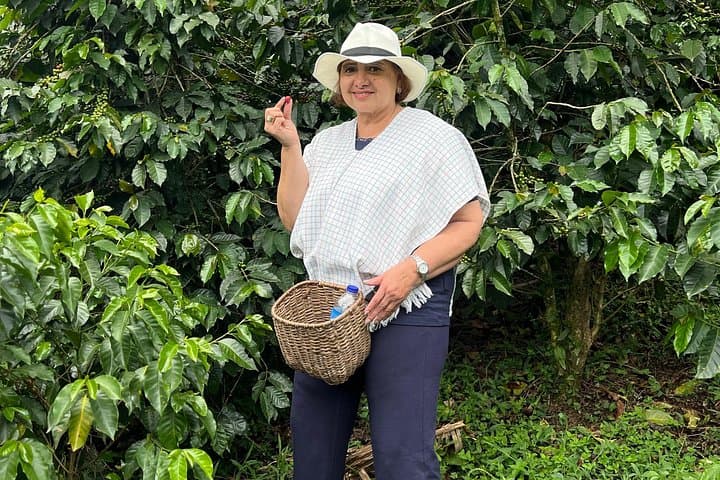
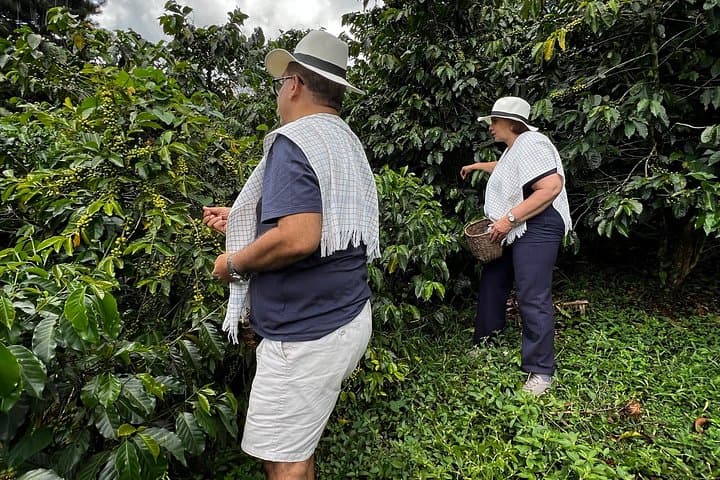
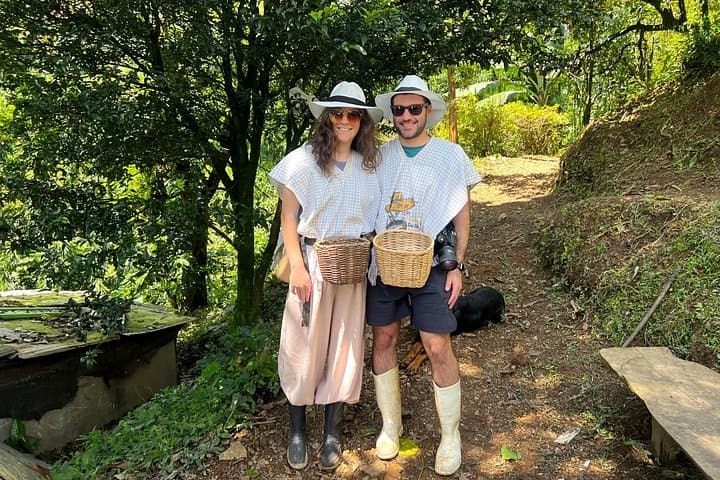
You step out of an air-conditioned van and the valley air changes: cooler, peppered with green and the quick jewel-flash of hummingbirds weaving between flowering bushes. The farm sits on a slope above Guarne, where shade trees give form to rows of coffee plants and the Andes fold away toward Medellín.
Verified experiences and guided adventures in the surrounding area.
Operated by PH Tours Medellín · Guarne, Antioquia
You step out of an air-conditioned van and the valley air changes: cooler, peppered with green and the quick jewel-flash of hummingbirds weaving between flowering bushes. The farm sits on a slope above Guarne, where shade trees give form to rows of coffee plants and the Andes fold away toward Medellín.
Coffee growing in Antioquia is part agricultural craft, part cultural engine—Spanish-introduced plants adapted to steep slopes and volcanic soils that retain heat and minerals. Here you’ll see the whole chain: seedlings in nurseries, shaded plots that slow cherry ripening for denser flavor, wet and dry processing patios, and sacks being sorted for export. The hummingbirds aren’t incidental; the native flora that supports them also signals a healthy, biodiverse farm system.
History is visible in practice: smallholder techniques passed down through generations, finca houses with timber frames, and community collection points that link local growers to Medellín’s markets. Geology matters too—granite and volcanic-derived soils create the nuanced acidity and body that specialty producers prize.
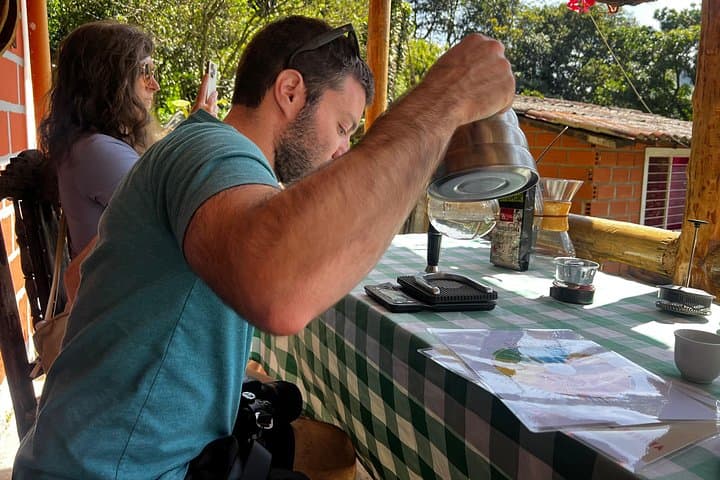
Practical guidance: this private half-day runs about 4–5 hours with hotel pickup and a half-pound of coffee included. Expect light walking on uneven farm tracks at ~1,800–2,000 m elevation; mornings are best for bird activity and cooler tasting sessions. Wear sturdy shoes, bring a rain layer, sunscreen, insect repellent, and a camera with a zoom for hummingbirds. Plan for cash purchases of roasted beans and to ask questions—farm owners know the story behind each cup. The tour reframes coffee from commodity to craft; by the time you sip, the process has a voice.
easy.
4–5 hours.
Light walking on uneven ground; suitable for most fitness levels but involves standing during demonstrations.
The private tour lasts about 4–5 hours and includes hotel pickup/drop-off, a guided farm visit, coffee tastings, and a half-pound of coffee produced by the hosts.
Yes; the activity is labeled physically easy, but infants are required to sit on an adult’s lap during transport and attention should be paid to uneven paths on the farm.
Yes; most farms sell roasted beans or bulk coffee—bring small bills or a card, though cash is sometimes preferred in rural areas.
The area sits around 1,800–2,000 meters elevation—take it easy if you’re not acclimated, wear layers, and bring sun protection and insect repellent.
Coffee farming in Antioquia grew in the 19th and 20th centuries, shaping rural communities and smallholder finca culture that still runs the region’s specialty production.
Many local farms use shade-grown and biodiversity-friendly practices; visitors can support conservation by buying directly from producers and following leave-no-trace guidelines.
PH Tours Medellín operates guided outdoor trips and adventures with an emphasis on safety, stewardship, and memorable experiences.
You step out of an air-conditioned van and the valley air changes: cooler, peppered with green and the quick jewel-flash of hummingbirds weaving between flowering bushes. The farm sits on a slope above Guarne, where shade trees give form to rows of coffee plants and the Andes fold away toward Medellín.
You step out of an air-conditioned van and the valley air changes: cooler, peppered with green and the quick jewel-flash of hummingbirds weaving between flowering bushes. The farm sits on a slope above Guarne, where shade trees give form to rows of coffee plants and the Andes fold away toward Medellín.
Coffee growing in Antioquia is part agricultural craft, part cultural engine—Spanish-introduced plants adapted to steep slopes and volcanic soils that retain heat and minerals. Here you’ll see the whole chain: seedlings in nurseries, shaded plots that slow cherry ripening for denser flavor, wet and dry processing patios, and sacks being sorted for export. The hummingbirds aren’t incidental; the native flora that supports them also signals a healthy, biodiverse farm system.
History is visible in practice: smallholder techniques passed down through generations, finca houses with timber frames, and community collection points that link local growers to Medellín’s markets. Geology matters too—granite and volcanic-derived soils create the nuanced acidity and body that specialty producers prize.
Practical guidance: this private half-day runs about 4–5 hours with hotel pickup and a half-pound of coffee included. Expect light walking on uneven farm tracks at ~1,800–2,000 m elevation; mornings are best for bird activity and cooler tasting sessions. Wear sturdy shoes, bring a rain layer, sunscreen, insect repellent, and a camera with a zoom for hummingbirds. Plan for cash purchases of roasted beans and to ask questions—farm owners know the story behind each cup. The tour reframes coffee from commodity to craft; by the time you sip, the process has a voice.