THE ADVENTURE COLLECTIVE® · Independent discovery and booking for outdoor travel

Combine a hands‑on coffee‑farm walk near Copacabana with a sensory dive into Medellín’s La Minorista market. Taste freshly prepared coffee and exotic fruits while learning local growing and processing techniques.
Combine a hands‑on coffee‑farm walk near Copacabana with a sensory dive into Medellín’s La Minorista market. Taste freshly prepared coffee and exotic fruits while learning local growing and processing techniques.
Morning light slides down the Andes as a private van lifts out of Medellín toward the north valley, leaving city glass for green slopes. After about 45 minutes you arrive at a small coffee plantation near Copacabana where rows of Arabica plants step down the hillside and the air smells faintly of earth and citrus.
Verified experiences and guided adventures in the surrounding area.
Operated by transporter medellin · Copacabana, Antioquia
Morning light slides down the Andes as a private van lifts out of Medellín toward the north valley, leaving city glass for green slopes. After about 45 minutes you arrive at a small coffee plantation near Copacabana where rows of Arabica plants step down the hillside and the air smells faintly of earth and citrus.
The guide frames the region’s coffee history: Antioquia’s mid-elevation slopes and volcanic soils made it a center of Colombian smallholding coffee production. Geology here—weathered igneous bedrock and well‑drained slopes—creates the drainage and diurnal temperature swings that favor dense, aromatic beans. Farmers still use hand‑picking and sun‑drying methods; you’ll see the pulper, the drying patios and a traditional roaster while growers explain fermentation and roast profiles.
From the plantation the tour moves to La Minorista market in downtown Medellín, a lively retail plaza where exotic fruits, juices and vegetables crowd narrow aisles. Vendors slice lulo, guanábana and maracuyá so you can taste tropical acidity beside a vendor negotiating prices.
Practical guidance: wear sturdy walking shoes for uneven farm paths, bring a reusable water bottle and a small daypack for purchases. The experience runs about six hours and is suitable for most fitness levels; light rain is possible so a packable rain layer helps. Bring cash for market buys and respect local customs—ask permission before photographing vendors or farm workers. The tour blends hands‑on coffee learning with sensory market exploration, a compact day to understand why Colombian coffee and exotic fruit culture are inseparable from Antioquia’s landscape.
easy.
6 hours.
Suitable for most fitness levels; requires short periods of standing and walking on uneven terrain.
The experience runs about six hours, including transportation from Medellín, the plantation visit and the market stop.
The tour listing notes wheelchair accessibility, but some farm paths have uneven sections—check with the operator for specific needs.
Yes—tastings and a demonstration of processing, drying and roasting are included to show differences in preparation and flavor.
Yes—La Minorista vendors sell fruit and the plantation typically offers beans or small roasts; bring cash for easier purchases.
Antioquia’s coffee culture grew in the 19th–20th centuries as smallholders converted mountain slopes to coffee; today many farms are family‑run and maintain traditional processing.
Small farms here balance coffee production with riparian buffers; visitors should avoid leaving waste and support farmers who practice selective picking and soil conservation.
transporter medellin operates guided outdoor trips and adventures with an emphasis on safety, stewardship, and memorable experiences.
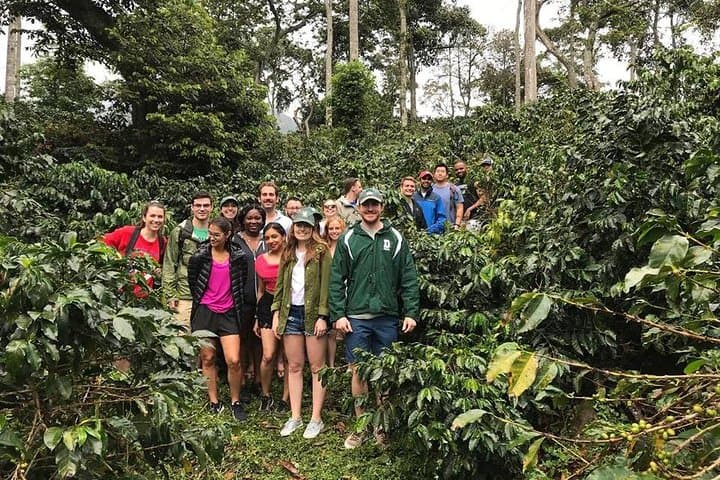
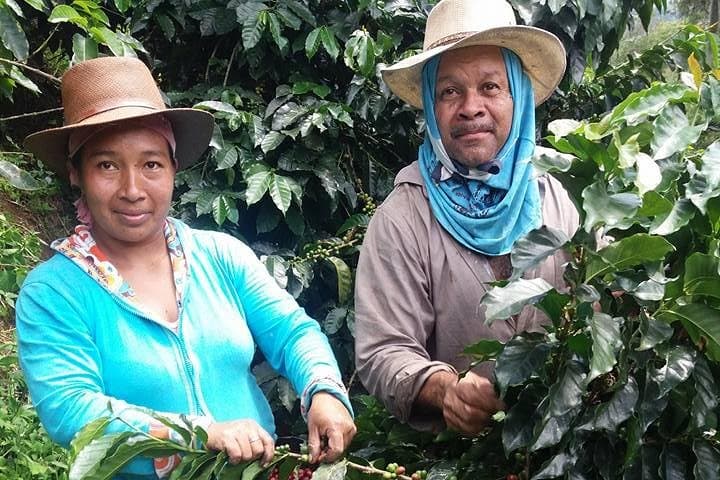
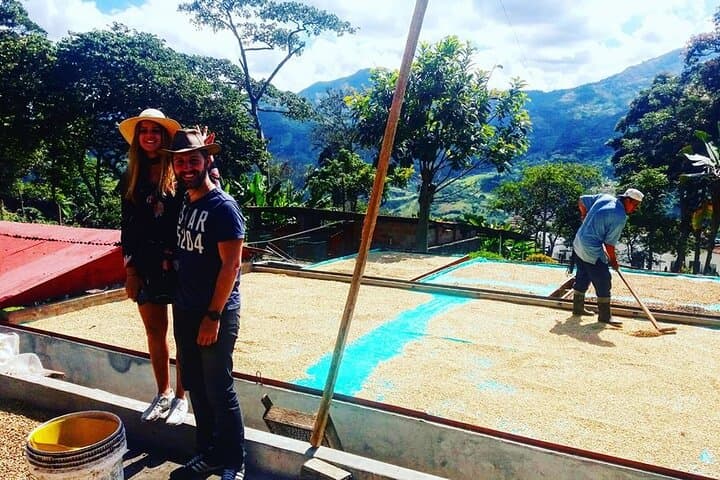
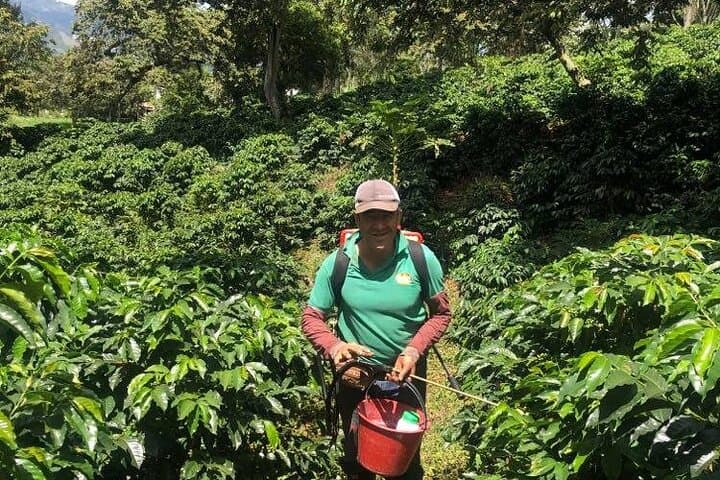
Morning light slides down the Andes as a private van lifts out of Medellín toward the north valley, leaving city glass for green slopes. After about 45 minutes you arrive at a small coffee plantation near Copacabana where rows of Arabica plants step down the hillside and the air smells faintly of earth and citrus.
Morning light slides down the Andes as a private van lifts out of Medellín toward the north valley, leaving city glass for green slopes. After about 45 minutes you arrive at a small coffee plantation near Copacabana where rows of Arabica plants step down the hillside and the air smells faintly of earth and citrus.
The guide frames the region’s coffee history: Antioquia’s mid-elevation slopes and volcanic soils made it a center of Colombian smallholding coffee production. Geology here—weathered igneous bedrock and well‑drained slopes—creates the drainage and diurnal temperature swings that favor dense, aromatic beans. Farmers still use hand‑picking and sun‑drying methods; you’ll see the pulper, the drying patios and a traditional roaster while growers explain fermentation and roast profiles.
From the plantation the tour moves to La Minorista market in downtown Medellín, a lively retail plaza where exotic fruits, juices and vegetables crowd narrow aisles. Vendors slice lulo, guanábana and maracuyá so you can taste tropical acidity beside a vendor negotiating prices.
Practical guidance: wear sturdy walking shoes for uneven farm paths, bring a reusable water bottle and a small daypack for purchases. The experience runs about six hours and is suitable for most fitness levels; light rain is possible so a packable rain layer helps. Bring cash for market buys and respect local customs—ask permission before photographing vendors or farm workers. The tour blends hands‑on coffee learning with sensory market exploration, a compact day to understand why Colombian coffee and exotic fruit culture are inseparable from Antioquia’s landscape.