THE ADVENTURE COLLECTIVE® · Independent discovery and booking for outdoor travel

Taste specialty Colombian coffees with panoramic views of Medellín and the Central Andes on a private three-hour tour. Learn the growing, processing and cupping techniques from seedling to roast while sampling exotic local fruits.
Taste specialty Colombian coffees with panoramic views of Medellín and the Central Andes on a private three-hour tour. Learn the growing, processing and cupping techniques from seedling to roast while sampling exotic local fruits.
You step onto a quiet terrace above Medellín and the Andes open like a lived-in map: steep ravines, coffee trees aligning the slope, and the city’s red roofs folding toward the Aburrá Valley below. The air smells of warm earth and freshly ground beans; a guide places a cupping spoon between your fingers and the first bright sip wakes your mouth.
Verified experiences and guided adventures in the surrounding area.
Operated by Travel Is Living Medellin · Medellín, Antioquia
You step onto a quiet terrace above Medellín and the Andes open like a lived-in map: steep ravines, coffee trees aligning the slope, and the city’s red roofs folding toward the Aburrá Valley below. The air smells of warm earth and freshly ground beans; a guide places a cupping spoon between your fingers and the first bright sip wakes your mouth.
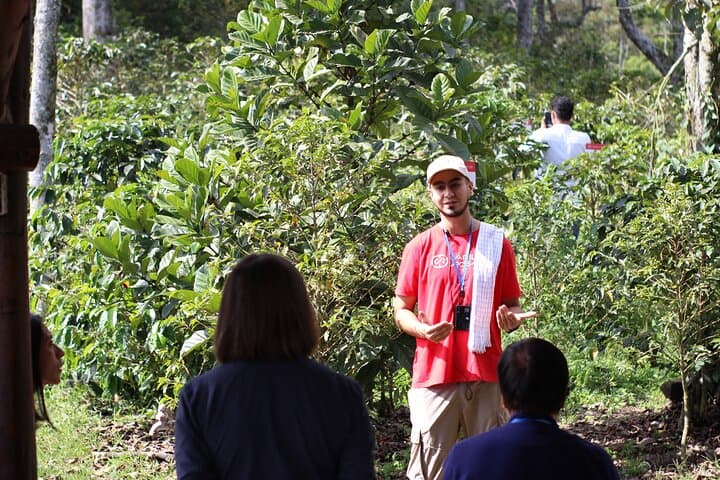
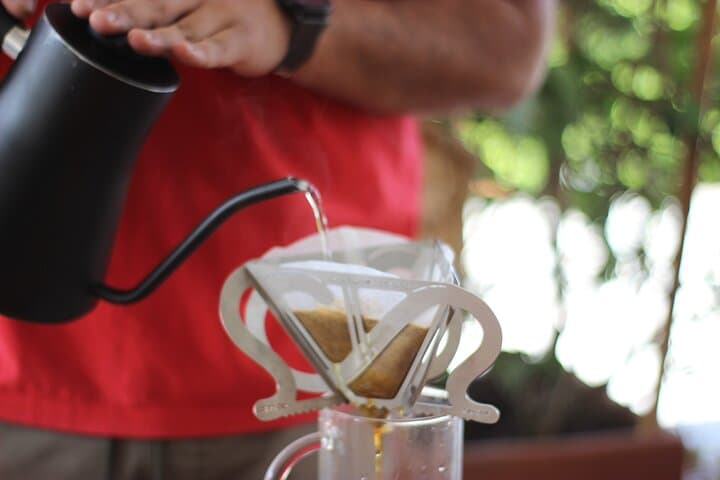
Antioquia’s coffee story is both agricultural and cultural. Spanish colonial routes and smallholder traditions shaped how beans are grown here, while geology — volcanic soils and steep, well-drained hills — gives specialty lots their clarity. On a private coffee tour you’ll move from seedling beds to drying patios, watching processes that turn cherry into cup: selective harvest, pulping, sun-drying, fermentation and artisanal roasting.
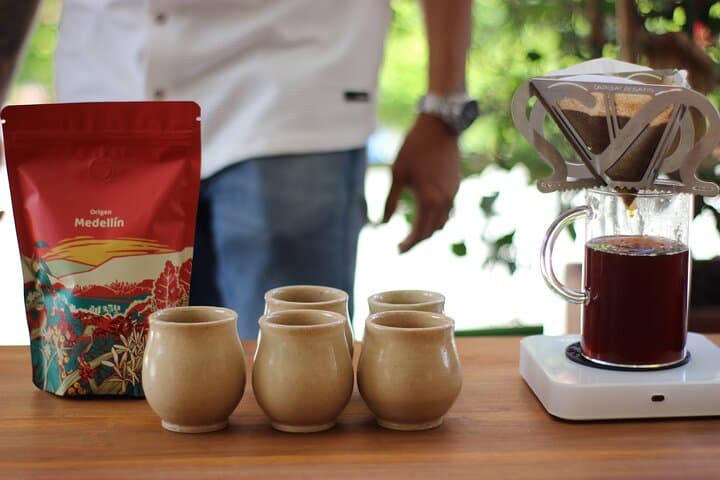
The tour pairs tasting techniques with landscape interpretation: how elevation and microclimates push acidity and floral notes, and how local growers balance yield and quality. Guides often include exotic Colombian fruits to contrast sweetness against coffee bitterness and discuss the role of cooperatives in Medellín’s coffee economy.
Practical notes: the experience is low-impact and mostly walking on farm tracks — bring a light jacket for mountain wind, sun protection and reusable water. Expect about three hours, private transfer from the city, and hands-on cupping stations. Aim for morning light for the best views and cooler aromas. Leave space in your luggage for a roasted bag or two; direct trade lots you taste are often not exported widely.
easy.
3 hours.
Suitable for all fitness levels; involves light walking on uneven farm paths.
Private transportation is included; tours typically offer pickup from central Medellín hotels—confirm your pickup point at booking.
Children can join but cupping focuses on adult palates; exotic fruit tastings are family-friendly and infants should sit on laps.
The tour notes wheelchair access, but some farm areas have uneven ground; contact the operator ahead to confirm specific accessibility needs.
Yes—many farms sell small-batch roasted beans and limited lots you tasted; vendors often accept cash or card.
Antioquia’s coffee culture grew from 19th-century smallholdings and cooperative practices that linked mountain farmers to national markets.
Sustainable practices like shade-grown systems and cooperative certification help protect soils and biodiversity while improving farmer incomes.
Travel Is Living Medellin operates guided outdoor trips and adventures with an emphasis on safety, stewardship, and memorable experiences.
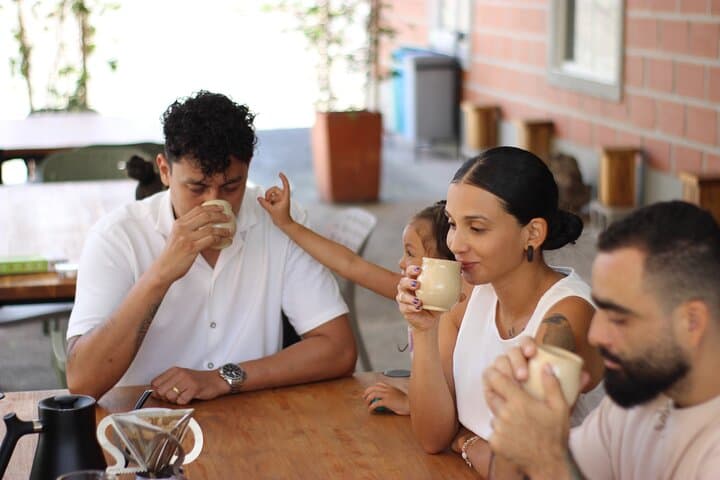
You step onto a quiet terrace above Medellín and the Andes open like a lived-in map: steep ravines, coffee trees aligning the slope, and the city’s red roofs folding toward the Aburrá Valley below. The air smells of warm earth and freshly ground beans; a guide places a cupping spoon between your fingers and the first bright sip wakes your mouth.
You step onto a quiet terrace above Medellín and the Andes open like a lived-in map: steep ravines, coffee trees aligning the slope, and the city’s red roofs folding toward the Aburrá Valley below. The air smells of warm earth and freshly ground beans; a guide places a cupping spoon between your fingers and the first bright sip wakes your mouth.
Antioquia’s coffee story is both agricultural and cultural. Spanish colonial routes and smallholder traditions shaped how beans are grown here, while geology — volcanic soils and steep, well-drained hills — gives specialty lots their clarity. On a private coffee tour you’ll move from seedling beds to drying patios, watching processes that turn cherry into cup: selective harvest, pulping, sun-drying, fermentation and artisanal roasting.
The tour pairs tasting techniques with landscape interpretation: how elevation and microclimates push acidity and floral notes, and how local growers balance yield and quality. Guides often include exotic Colombian fruits to contrast sweetness against coffee bitterness and discuss the role of cooperatives in Medellín’s coffee economy.
Practical notes: the experience is low-impact and mostly walking on farm tracks — bring a light jacket for mountain wind, sun protection and reusable water. Expect about three hours, private transfer from the city, and hands-on cupping stations. Aim for morning light for the best views and cooler aromas. Leave space in your luggage for a roasted bag or two; direct trade lots you taste are often not exported widely.