THE ADVENTURE COLLECTIVE® · Independent discovery and booking for outdoor travel

A four-hour private drive through Medellín’s Aburrá Valley that traces Pablo Escobar’s life in context—his neighborhoods, memorials, and the sites of his final days—while exploring how the city rebuilt itself. This tour emphasizes history, victims’ stories, and Medellín’s civic transformation.
A four-hour private drive through Medellín’s Aburrá Valley that traces Pablo Escobar’s life in context—his neighborhoods, memorials, and the sites of his final days—while exploring how the city rebuilt itself. This tour emphasizes history, victims’ stories, and Medellín’s civic transformation.
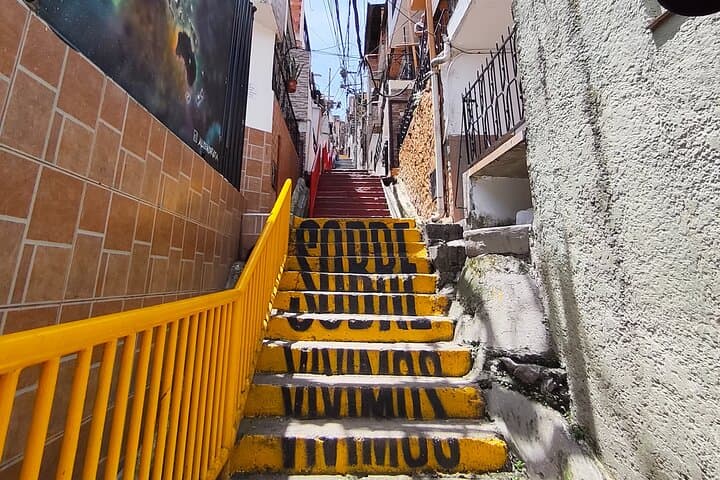
You start the day with the city unfolding beneath the Andes — a private car threading uphill as morning light slides over the Aburrá Valley. The mountains watch like patient guardians while neighborhoods of brick and concrete edge the slopes; the driver navigates streets that still carry traces of a violent past and signs of renewed life.
Verified experiences and guided adventures in the surrounding area.
Operated by Journey to Medellín · Medellín, Antioquia
You start the day with the city unfolding beneath the Andes — a private car threading uphill as morning light slides over the Aburrá Valley. The mountains watch like patient guardians while neighborhoods of brick and concrete edge the slopes; the driver navigates streets that still carry traces of a violent past and signs of renewed life.
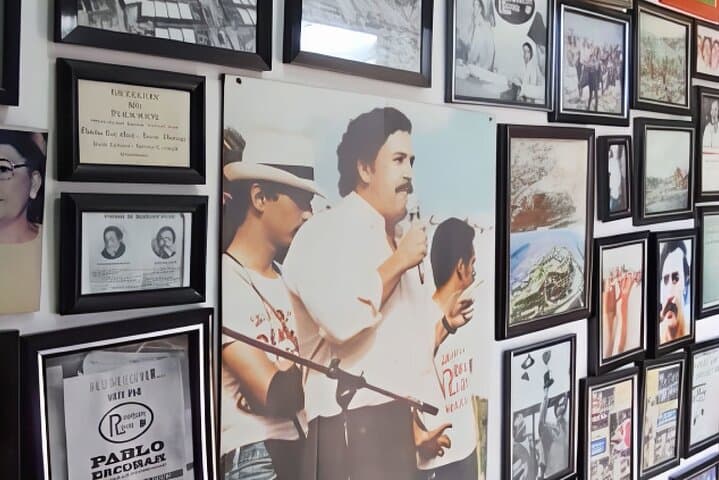
This four-hour private tour focuses on places tied to Pablo Escobar’s life: his former neighborhood, a memorial archive of photographs and letters, the site marking his final days, and a quiet cemetery where visitors come to reflect. The background is geological — steep Andean valleys channeling rivers that shaped settlement patterns — and cultural: Medellín’s rapid urban reinvention since the 1990s, driven by grassroots projects, libraries, and public art.
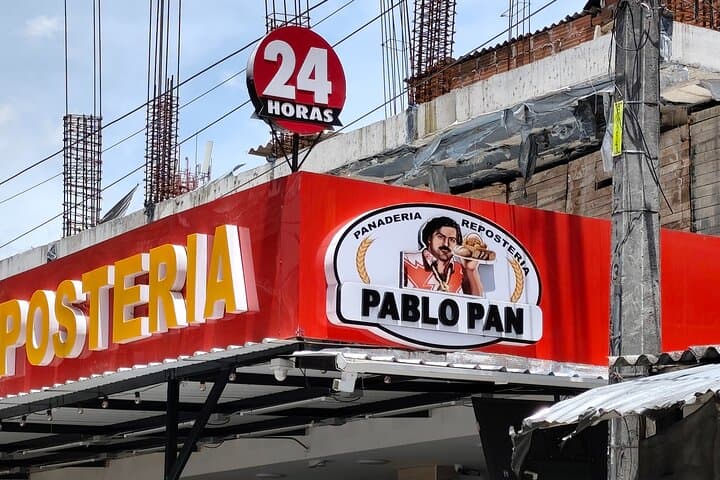
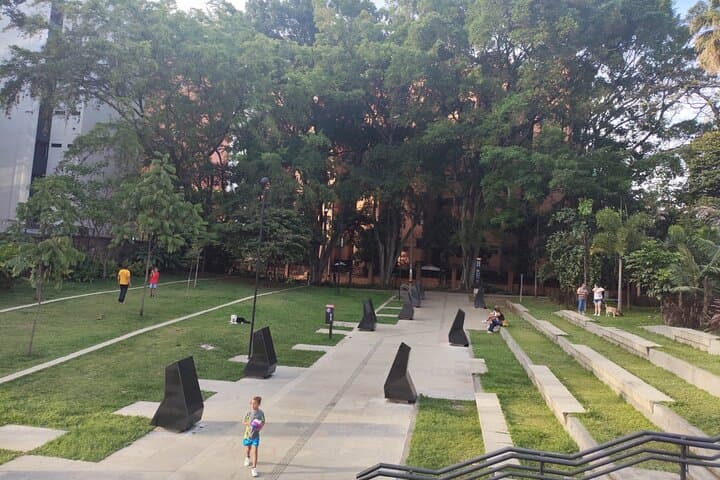
Expect a measured exploration rather than sensationalism. Guides frame Escobar’s story within broader social and political currents: cartel economics, victim impacts, state response, and community resilience. The itinerary highlights both contested sites and civic initiatives that replaced fear with public spaces.
Practicalities are straightforward: private, air-conditioned transport and a bilingual driver mean accessibility for varied fitness levels. Bring comfortable shoes for short walks, a rain layer (sudden showers are common), and a respectful attitude toward sensitive sites — photography rules can vary. Aim for morning departures to avoid rush-hour traffic and to visit memorials when they’re quieter. Hydrate: the valley’s microclimates can feel warm in the sun.
This tour is for travelers who want context and nuance — to understand how Medellín’s landscape and people turned a violent chapter into lessons for urban renewal.
easy.
4 hours.
Suitable for most fitness levels—short, mostly optional walks at each stop; no strenuous activity required.
The tour uses private transport with a bilingual driver; sites visited are public and commonly included in respectful historical tours—follow guide advice and local norms.
No. The itinerary emphasizes factual history and the human impact of violence while contextualizing Medellín’s recovery and community projects.
Yes, but access rules vary; the guide will advise on photography and respectful behavior at each site.
Yes—private pickup is included; confirm your pickup point and ID details at booking.
Medellín was the epicenter of cartel violence in the 1980s–90s; since then the city has invested heavily in public infrastructure and community-led cultural programs.
Responsible tours emphasize minimal impact and support local cultural institutions; choosing operators who reinvest in community projects helps sustain positive transformation.
Journey to Medellín operates guided outdoor trips and adventures with an emphasis on safety, stewardship, and memorable experiences.
You start the day with the city unfolding beneath the Andes — a private car threading uphill as morning light slides over the Aburrá Valley. The mountains watch like patient guardians while neighborhoods of brick and concrete edge the slopes; the driver navigates streets that still carry traces of a violent past and signs of renewed life.
You start the day with the city unfolding beneath the Andes — a private car threading uphill as morning light slides over the Aburrá Valley. The mountains watch like patient guardians while neighborhoods of brick and concrete edge the slopes; the driver navigates streets that still carry traces of a violent past and signs of renewed life.
This four-hour private tour focuses on places tied to Pablo Escobar’s life: his former neighborhood, a memorial archive of photographs and letters, the site marking his final days, and a quiet cemetery where visitors come to reflect. The background is geological — steep Andean valleys channeling rivers that shaped settlement patterns — and cultural: Medellín’s rapid urban reinvention since the 1990s, driven by grassroots projects, libraries, and public art.
Expect a measured exploration rather than sensationalism. Guides frame Escobar’s story within broader social and political currents: cartel economics, victim impacts, state response, and community resilience. The itinerary highlights both contested sites and civic initiatives that replaced fear with public spaces.
Practicalities are straightforward: private, air-conditioned transport and a bilingual driver mean accessibility for varied fitness levels. Bring comfortable shoes for short walks, a rain layer (sudden showers are common), and a respectful attitude toward sensitive sites — photography rules can vary. Aim for morning departures to avoid rush-hour traffic and to visit memorials when they’re quieter. Hydrate: the valley’s microclimates can feel warm in the sun.
This tour is for travelers who want context and nuance — to understand how Medellín’s landscape and people turned a violent chapter into lessons for urban renewal.