THE ADVENTURE COLLECTIVE® · Independent discovery and booking for outdoor travel

Explore Malta’s medieval capital, stand on the island’s highest cliffs and stroll a centuries-old botanical garden—all in a guided half-day. This compact tour pairs history with dramatic coastal views and quiet cultivated greens.
Explore Malta’s medieval capital, stand on the island’s highest cliffs and stroll a centuries-old botanical garden—all in a guided half-day. This compact tour pairs history with dramatic coastal views and quiet cultivated greens.
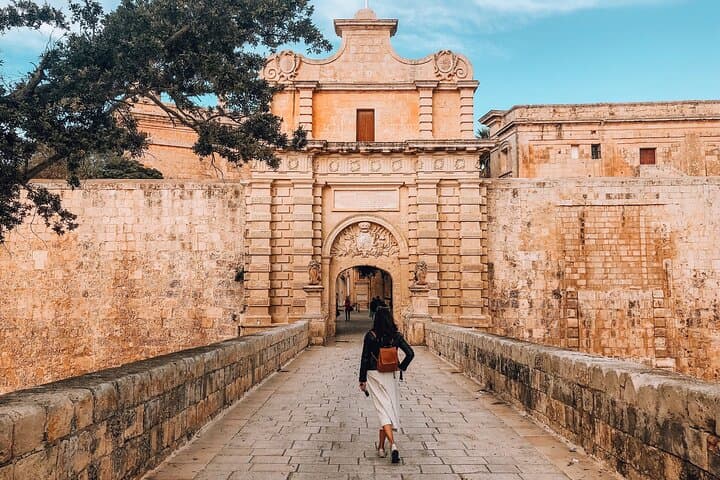
A morning in central Malta opens with silent stone: Mdina’s narrow lanes squeeze sunlight into medieval courtyards as a guide traces centuries-old stories across carved doorframes and baroque facades. Visitors move like soft-footed observers through a city that has kept its outward calm for a thousand years.
Verified experiences and guided adventures in the surrounding area.
Operated by Robert Arrigo & Sons · Mdina, Malta
A morning in central Malta opens with silent stone: Mdina’s narrow lanes squeeze sunlight into medieval courtyards as a guide traces centuries-old stories across carved doorframes and baroque facades. Visitors move like soft-footed observers through a city that has kept its outward calm for a thousand years.
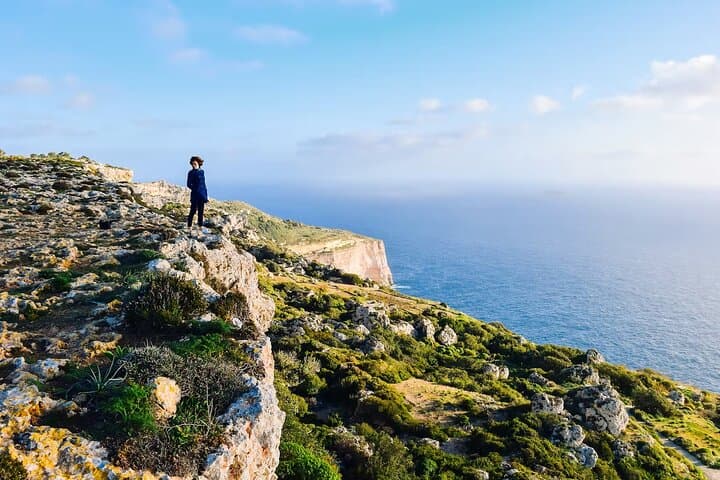
Mdina was Malta’s capital through antiquity and the Middle Ages; its defensive walls and palazzos show Roman and later Knights’ influences. Leaving the city’s Greeks Gate, the coach rolls to Dingli Cliffs—Malta’s highest coastal edge at roughly 253 meters—where limestone terraces fall away and the open sea pushes against the horizon. The exposed rock of the cliffs tells of uplift and marine erosion; the tiny 17th-century chapel of St. Mary Magdalene perches defiantly on the brink.
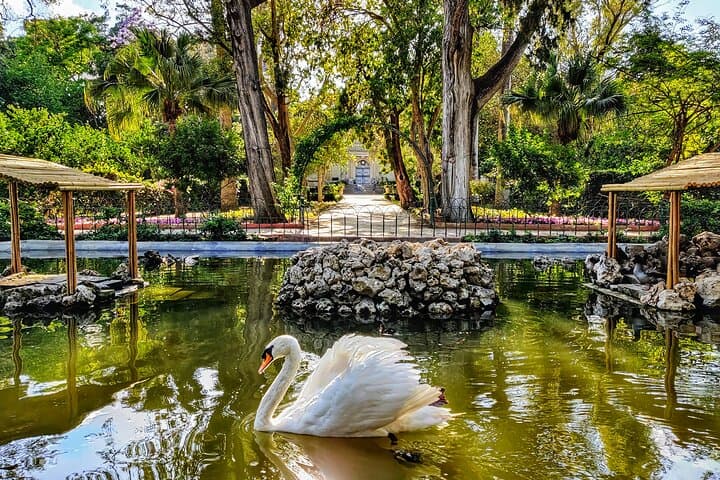
The tour closes amid planted pathways of San Anton Botanical Gardens, created in the early 1600s by Grand Master Antoine de Paule. Fountains, mature palms, and resident peacocks populate peaceful glades beside the presidential San Anton Palace.
Practical side: the trip is a guided, half-day circuit (about four hours) with hotel transfers and light walking on cobbled streets and cliff-edge viewpoints. Wear sturdy shoes for uneven paving, bring sun protection and at least 1 liter of water, and expect gusts at the cliffs. The itinerary is compact—ideal for travelers short on time who want history, geology, and cultivated gardens in a single morning. Photographers should allow time for wide coastal panoramas and quieter garden scenes; respect marked paths at Dingli to avoid unstable edges.
easy.
4 hours.
Light fitness is sufficient; participants should be comfortable walking short distances and climbing a few steps.
Yes—pick-up and drop-off transfers are included; you choose a meeting point from listed locations and will be given a pick-up window.
The tour is family-friendly and notes stroller access, but Mdina’s cobbles and some steps can make navigation awkward with large strollers.
All major stops are outdoor public sites—there are no mandatory admission fees included for the listed attractions during this tour.
Yes; the itinerary allows time at Mdina, Dingli Cliffs and San Anton Gardens for walking and photography, subject to the guide’s schedule.
Mdina served as Malta’s capital from antiquity through the medieval era; San Anton Gardens were planted in the early 17th century by Grand Master Antoine de Paule to accompany his summer residence.
Stick to marked paths at Dingli to limit erosion and avoid trampling fragile cliff-top vegetation; in the gardens, observe wildlife without feeding birds or peacocks to protect natural behavior.
Robert Arrigo & Sons operates guided outdoor trips and adventures with an emphasis on safety, stewardship, and memorable experiences.

A morning in central Malta opens with silent stone: Mdina’s narrow lanes squeeze sunlight into medieval courtyards as a guide traces centuries-old stories across carved doorframes and baroque facades. Visitors move like soft-footed observers through a city that has kept its outward calm for a thousand years.
A morning in central Malta opens with silent stone: Mdina’s narrow lanes squeeze sunlight into medieval courtyards as a guide traces centuries-old stories across carved doorframes and baroque facades. Visitors move like soft-footed observers through a city that has kept its outward calm for a thousand years.
Mdina was Malta’s capital through antiquity and the Middle Ages; its defensive walls and palazzos show Roman and later Knights’ influences. Leaving the city’s Greeks Gate, the coach rolls to Dingli Cliffs—Malta’s highest coastal edge at roughly 253 meters—where limestone terraces fall away and the open sea pushes against the horizon. The exposed rock of the cliffs tells of uplift and marine erosion; the tiny 17th-century chapel of St. Mary Magdalene perches defiantly on the brink.
The tour closes amid planted pathways of San Anton Botanical Gardens, created in the early 1600s by Grand Master Antoine de Paule. Fountains, mature palms, and resident peacocks populate peaceful glades beside the presidential San Anton Palace.
Practical side: the trip is a guided, half-day circuit (about four hours) with hotel transfers and light walking on cobbled streets and cliff-edge viewpoints. Wear sturdy shoes for uneven paving, bring sun protection and at least 1 liter of water, and expect gusts at the cliffs. The itinerary is compact—ideal for travelers short on time who want history, geology, and cultivated gardens in a single morning. Photographers should allow time for wide coastal panoramas and quieter garden scenes; respect marked paths at Dingli to avoid unstable edges.