THE ADVENTURE COLLECTIVE® · Independent discovery and booking for outdoor travel

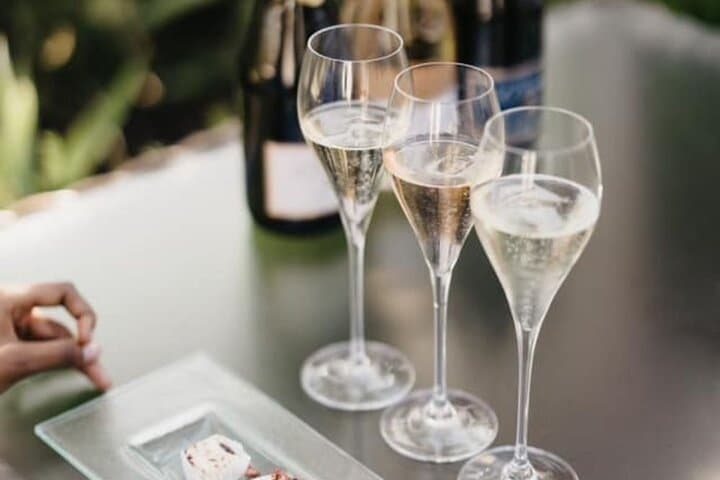
Spend a full day in the Cape Winelands exploring MCC (Cap Classique) production from disgorgement to vertical tastings at Simonsig, Anthonij Rupert, Le Lude and Colmant. This private tour mixes cellar technique with gourmet pairings for an in-depth sparkling‑wine education.
Spend a full day in the Cape Winelands exploring MCC (Cap Classique) production from disgorgement to vertical tastings at Simonsig, Anthonij Rupert, Le Lude and Colmant. This private tour mixes cellar technique with gourmet pairings for an in-depth sparkling‑wine education.
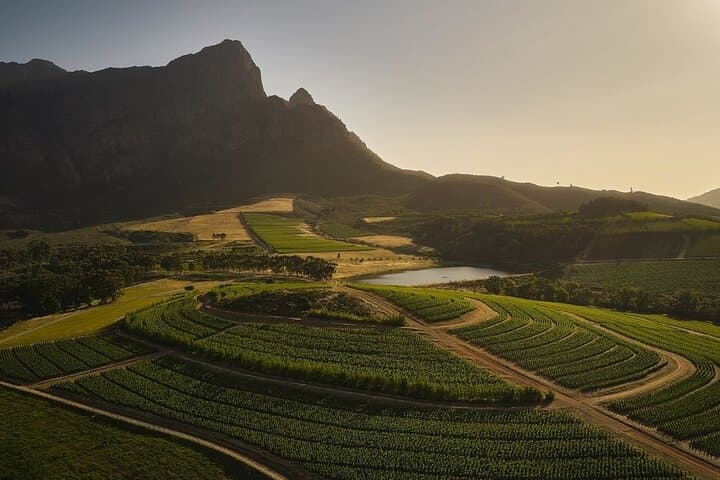
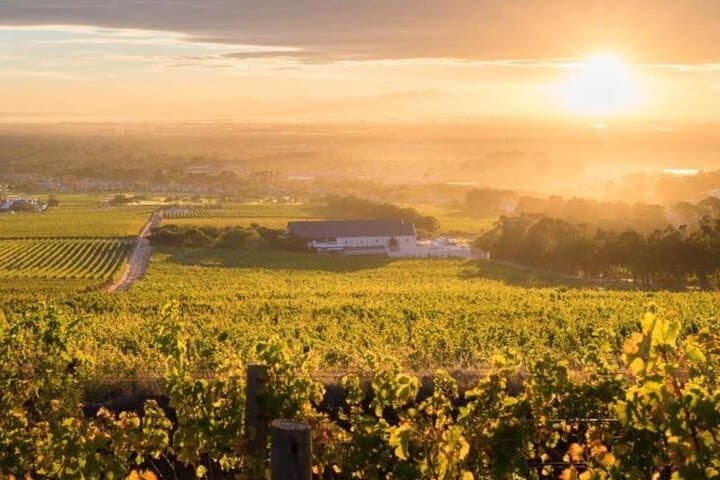
The morning light cuts across rows of vines as the minivan eases out of Stellenbosch and climbs toward Franschhoek, bottles of MCC waiting like quiet promises in the back. You arrive at Simonsig where glass and steel cellars hum; the guide shows a disgorgement demonstration and the wine’s sediment is flipped out with practised hands. The bubbles speak of time — yeast, lees contact and patient ageing — and you taste the difference.
Verified experiences and guided adventures in the surrounding area.
Operated by Wine in the Cape · Stellenbosch, Western Cape
The morning light cuts across rows of vines as the minivan eases out of Stellenbosch and climbs toward Franschhoek, bottles of MCC waiting like quiet promises in the back. You arrive at Simonsig where glass and steel cellars hum; the guide shows a disgorgement demonstration and the wine’s sediment is flipped out with practised hands. The bubbles speak of time — yeast, lees contact and patient ageing — and you taste the difference.
This route threads through the Cape Winelands, where granite and shale soils, cool mountain breezes and a Mediterranean climate shape the Cap Classique style. Simonsig is credited with South Africa’s first MCC; later stops at Anthonij Rupert and Colmant highlight variations caused by microclimate and cellar technique. Le Lude’s Orangerie pairs vertical MCC tastings with a menu designed to show how acidity, texture and toasty complexity evolve with age.
Expect an educational, slow-paced day: winery tours, cellar demonstrations, seated tastings and a multi-course lunch. Local culture leans on paired dining and cellar etiquette — spitting is common during technical tastings, and guides welcome questions about yeast strains, secondary fermentation and riddling.
Practical notes: the tour runs 6–8 hours with hotel pickup, an air-conditioned vehicle and private guide; dress in layers for cool cellars, carry ID for tastings, and pace your palate between flights. Pregnant guests are advised not to participate. Book a morning departure to avoid afternoon heat and to give labored cheeses and fine bubblies their best audience.
easy.
6–8 hours.
Light activity: expect short walks around estates and standing during tastings; suitable for most fitness levels.
Yes—this private tour includes guided, air-conditioned transport with pickup from agreed points in the Stellenbosch/Franschhoek area.
Tastings are alcohol-focused and not suitable for minors; infants are allowed to ride in strollers but should sit on a lap.
Most estates offer retail sales and ship internationally; bring a credit card and check shipping options with each cellar.
The operator notes the experience is not recommended for pregnant guests due to alcohol-focused activities.
Stellenbosch and Franschhoek have produced MCC-style sparkling wines since the late 20th century, with Simonsig credited for pioneering South Africa’s Kaapse Vonkel style.
Many estates use dryland farming and water-conscious irrigation; respect vineyard boundaries and use provided spittoons to reduce waste during tastings.
Wine in the Cape operates guided outdoor trips and adventures with an emphasis on safety, stewardship, and memorable experiences.

The morning light cuts across rows of vines as the minivan eases out of Stellenbosch and climbs toward Franschhoek, bottles of MCC waiting like quiet promises in the back. You arrive at Simonsig where glass and steel cellars hum; the guide shows a disgorgement demonstration and the wine’s sediment is flipped out with practised hands. The bubbles speak of time — yeast, lees contact and patient ageing — and you taste the difference.
The morning light cuts across rows of vines as the minivan eases out of Stellenbosch and climbs toward Franschhoek, bottles of MCC waiting like quiet promises in the back. You arrive at Simonsig where glass and steel cellars hum; the guide shows a disgorgement demonstration and the wine’s sediment is flipped out with practised hands. The bubbles speak of time — yeast, lees contact and patient ageing — and you taste the difference.
This route threads through the Cape Winelands, where granite and shale soils, cool mountain breezes and a Mediterranean climate shape the Cap Classique style. Simonsig is credited with South Africa’s first MCC; later stops at Anthonij Rupert and Colmant highlight variations caused by microclimate and cellar technique. Le Lude’s Orangerie pairs vertical MCC tastings with a menu designed to show how acidity, texture and toasty complexity evolve with age.
Expect an educational, slow-paced day: winery tours, cellar demonstrations, seated tastings and a multi-course lunch. Local culture leans on paired dining and cellar etiquette — spitting is common during technical tastings, and guides welcome questions about yeast strains, secondary fermentation and riddling.
Practical notes: the tour runs 6–8 hours with hotel pickup, an air-conditioned vehicle and private guide; dress in layers for cool cellars, carry ID for tastings, and pace your palate between flights. Pregnant guests are advised not to participate. Book a morning departure to avoid afternoon heat and to give labored cheeses and fine bubblies their best audience.